
What Is Pebbled Leather?
Pebbled leather is leather with a textured surface covered in small raised bumps. Most manufacturers create that look by embossing or pressing a grain pattern into the surface during finishing.
Here is the key point: pebbled leather describes the texture, not the leather grade. A product can use genuine leather, split leather, or synthetic material and still have a pebbled finish. If you buy or source pebbled leather, always check the base material first.
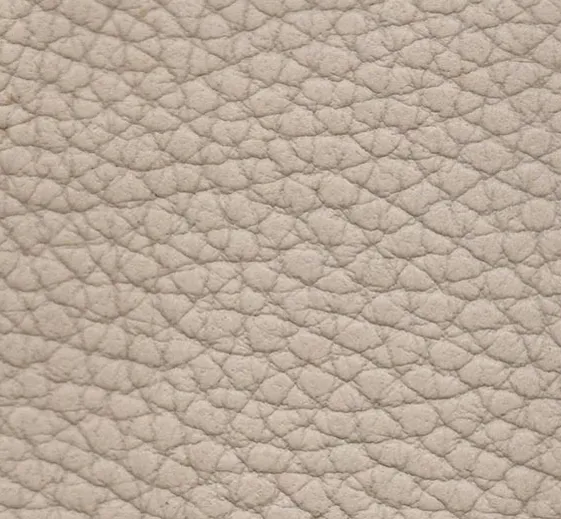
pebbled leather
If you want a broader leather overview first, Pellove’s guide to real, bonded, and faux leather gives a useful background. If you want a manufacturing partner for leather accessories, Pellove’s Solution page explains its OEM/ODM background
Why Pebbled Leather Is Popular
Pebbled leather stays popular because it looks premium and works hard in daily use. The textured surface adds visual depth, improves grip, and helps hide minor scratches.
Brands often choose it for:
- bags
- wallets
- passport holders
- watch straps
- pebbled leather phone cases
- small leather accessories
In simple terms, smooth leather usually looks cleaner and dressier, while pebbled leather usually looks more practical and everyday-friendly.
Quick Comparison Table
| Item | Pebbled Leather | Smooth Leather |
|---|---|---|
| Surface look | Textured and grainy | Flat or sleek |
| Feel | More tactile and structured | Cleaner and smoother |
| Scratch visibility | Lower in daily use | Higher in daily use |
| Style | Casual-premium or durable-luxury | Formal, refined, minimalist |
| Best for | Everyday accessories | Dress accessories and polished styles |
| Grip | Better in hand | More slippery depending on finish |
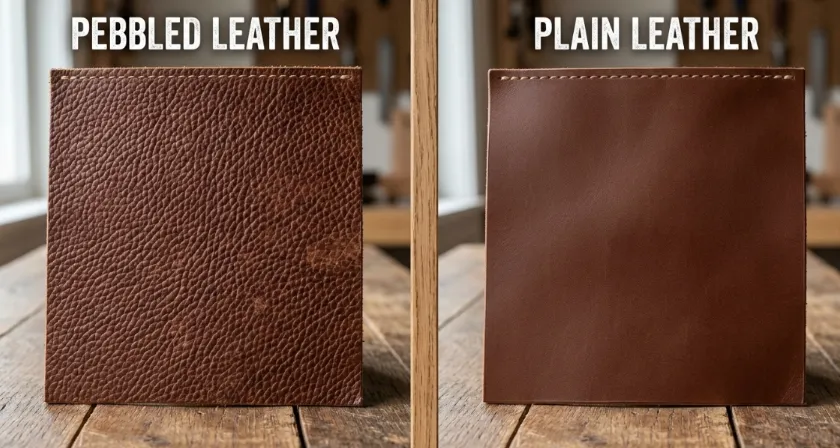
Comparison of pebbled leather and smooth leather
How Manufacturers Make Pebbled Leather
Most manufacturers make pebbled leather by embossing a grain pattern into the surface. Some also use tumbling or finishing methods to soften the hand feel and deepen the texture.
That process explains why two pebbled leather products can feel very different. One may use top-grain leather with a soft finish, while another may use a heavily coated or synthetic base. The pebble texture alone does not tell the full quality story.
Carl Friedrik explains pebbled leather as a textured leather finish, and Horween’s notes on leather quality also remind buyers that performance depends on the leather type, tannage, and finishing quality, not just surface appearance.
Is Pebbled Leather Real Leather?
Sometimes yes, sometimes no.
That is one of the most important facts buyers need to know. The phrase “pebbled leather” tells you how the surface looks and feels. It does not confirm whether the material is full-grain leather, top-grain leather, split leather, or synthetic.
So when you source pebbled leather for a brand or OEM/ODM project, confirm:
- the base material
- the leather grade
- the finishing method
- the intended use
Pellove already uses pebbled finishes in several accessory categories, including a blue pebbled genuine leather glasses case and other leather accessories.
What Pebbled Leather Feels Like
Pebbled leather usually feels textured, slightly bumpy, and more tactile than smooth leather. Depending on the base material and finish, it may feel soft and flexible or firmer and more structured.
That hand feel gives pebbled leather a practical advantage. Many users find it easier to hold and less delicate in daily use. That is one reason brands use it so often for wallets, phone cases, and travel accessories.
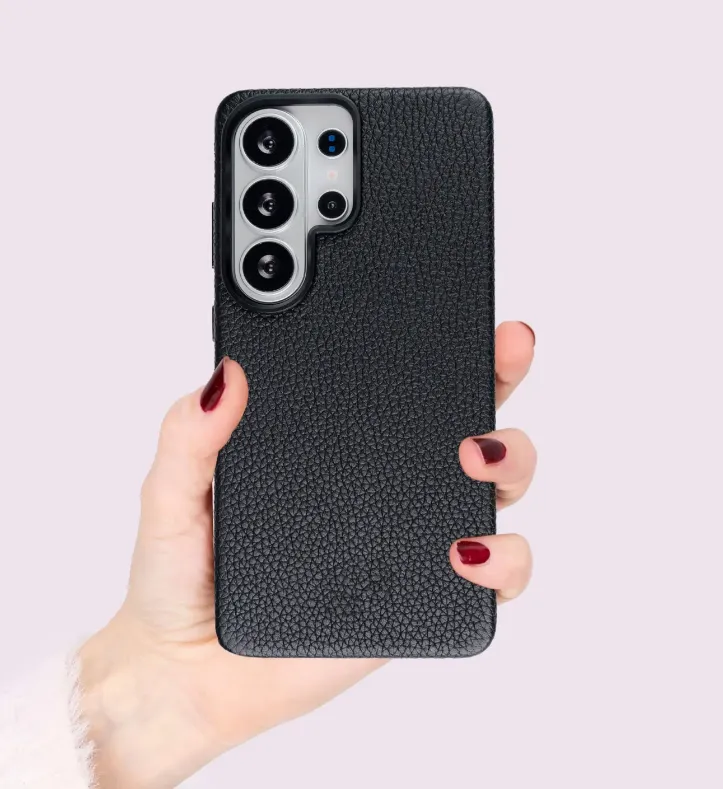
pebbled leather phone case
Benefits of Pebbled Leather
Pebbled leather gives brands a strong mix of style and practicality.
Its main benefits include:
- It hides small scratches and scuffs better
- It adds texture and visual depth
- It feels more secure in the hand
- It works well for daily-use accessories
- It fits both casual and premium product lines
For many buyers, the biggest benefit is simple: pebbled leather tends to stay presentable longer in everyday use than smooth leather.
Is Pebbled Leather Durable?
Yes, pebbled leather can be very durable. The texture helps reduce the visibility of minor wear, making it a smart choice for products people handle every day.
Still, the base material matters more than the texture. A high-quality pebbled genuine leather product can age very well. A lower-grade or synthetic version may still look attractive, but it will not wear the same way over time.
Horween’s guidance on leather properties supports this point. Leather performance depends on the material, tannage, thickness, and finish, not just the surface pattern.
Best for:
- everyday bags
- wallets and card holders
- passport holders
- phone cases
- watch straps
- travel accessories
Not ideal for:
- ultra-formal leather goods
- very sleek dress styles
- products that need a perfectly flat, polished look
From a manufacturing perspective, pebbled leather tends to conceal scratches and signs of wear more effectively than smooth leather. Its textured surface helps diffuse light and mask minor abrasions, making it a practical choice for products intended for frequent daily use.
Pebbled Leather vs Smooth Leather
Pebbled leather and smooth leather both work well, but they solve different design problems.
Choose pebbled leather when you want:
- better scratch masking
- more texture
- a more relaxed premium look
- a surface that feels easier to hold
Choose smooth leather when you want:
- a cleaner look
- a more formal finish
- a sharper luxury appearance
- a flatter and more minimal design
This difference matters in product development. A pebbled finish often works better for phone cases and travel accessories because it handles daily wear more gracefully. A smooth finish often works better for formal wallets or dress-focused items. Pellove’s phone case and watch band show how a leather finish can shape product direction.
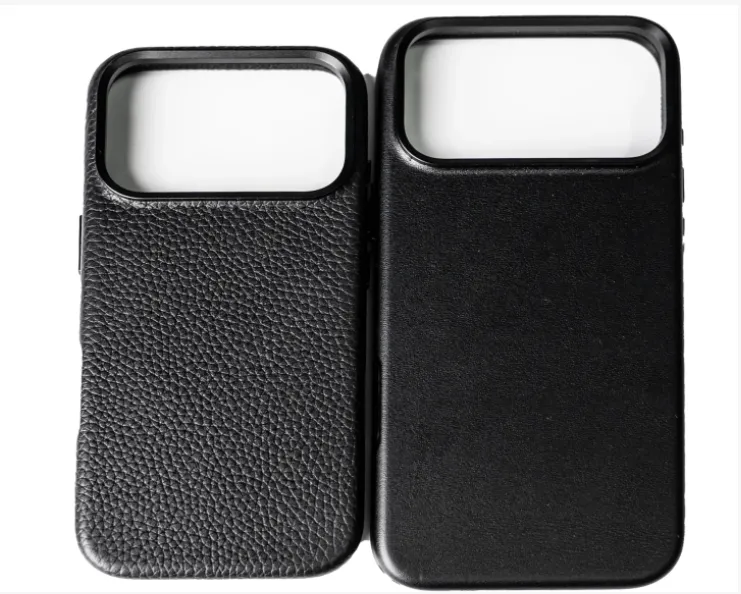
pebbled leather phone case vs smooth leather phone case
What Products Commonly Use Pebbled Leather?
Brands use pebbled leather in many accessory categories:
- handbags
- wallets
- glasses cases
- passport holders
- watch straps
- phone cases
- small leather accessories
They choose it because it feels premium, performs well in daily handling, and fits many commercial product lines. That makes it especially useful for OEM and ODM development, where appearance, consistency, and usability all matter.
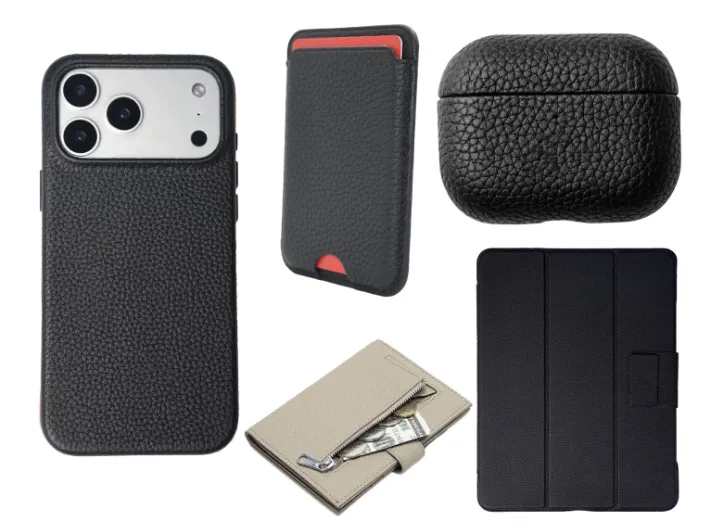
pebbled leather accessories
What Brands Should Check Before Sourcing Pebbled Leather
If you plan to source pebbled leather, start with these questions.
| Checkpoint | Why It Matters | What to Ask |
|---|---|---|
| Base material | Texture alone does not confirm quality | Is this genuine leather or synthetic? |
| Leather grade | Different grades wear differently | Is it full-grain, top-grain, split leather, or coated leather? |
| Texture method | Finishing affects appearance and feel | How do you create the pebble texture? |
| Coating level | Coating changes touch and aging | Is the finish natural, semi-coated, or heavily coated? |
| Product application | Different products need different temperatures and thicknesses | Is this material better for bags, phone cases, or watch straps? |
| MOQ and consistency | Production consistency matters | Can you keep the same grain and color across bulk orders? |
If you want to compare finish options for OEM/ODM development, you can contact Pellove.
Final Answer
Pebbled leather is leather with a textured, raised grain surface that looks slightly bumpy and feels more tactile than smooth leather. In most cases, manufacturers create that pebble effect during finishing, so the term describes the texture rather than the leather grade itself.
That means pebbled leather can be made from genuine leather or synthetic materials, depending on the base. For brands and buyers, the best approach is simple: confirm the material under the texture, then choose pebbled leather when you want a premium look with better everyday practicality.
FAQ
What is pebbled leather?
Pebbled leather is leather with a textured surface made up of small raised bumps or grain.
Is pebbled leather real leather?
Sometimes. It can use genuine leather, but it can also use synthetic material, so buyers should always check the base.
Is pebbled leather durable?
Yes. It can be very durable, especially when manufacturers use good-quality genuine leather and a strong finish.
Is pebbled leather better than smooth leather?
It depends on the use case. Pebbled leather usually hides scratches better, while smooth leather usually looks cleaner and more formal.
What is pebbled leather best for?
It works especially well for bags, wallets, phone cases, watch straps, and other daily-use accessories.