What Is Apple Leather? A Complete 2025 Guide to Vegan & Sustainable Leather Alternatives
Leather has been the go-to material for luxury goods for centuries—but traditional leather comes with environmental costs: animal cruelty, heavy water use, and toxic tanning chemicals. In recent years, a new wave of bio-based vegan materials has started reshaping the fashion and accessories market. Among them, Apple Leather (also known as AppleSkin) is quickly rising to the top.
So, what exactly is Apple Leather, how is it made, and why is it becoming a global trend in 2025? Let’s dive in.
What Is Apple Leather?
Apple Leather is a partially bio-based, vegan, and waterproof leather alternative made from apple waste—the leftover pomace, peels, and cores from the juice and jam industry.
🍎 Fact: Every year, Italy’s Trentino-Alto Adige region produces over 30,000 tons of apple waste. Instead of sending this to landfills or incinerators, innovators developed a process to upcycle it into a material that looks and feels like traditional leather.

Apple Leather
How Apple Leather Is Made
-
Collection – Apple pomace (peels, seeds, cores, pulp) is collected from juice factories.
-
Drying & Grinding – The waste is dried and ground into apple powder.
-
Mixing – The powder is combined with polyurethane (PU) for durability.
-
Lamination – The blend is laminated onto recycled cotton or polyester fabric.
-
Finishing – The result is a versatile, cruelty-free material that can mimic leather textures (smooth, pebbled, or even exotic patterns like snake or crocodile).
📊 Sustainability Benefit: By using waste streams, Apple Leather reduces food waste, lowers reliance on fossil fuels, and provides farmers with an additional source of income.

Apple Leather
Apple Leather vs. Traditional Leather
| Feature | Apple Leather (AppleSkin®) | Traditional Leather |
|---|---|---|
| Source | Apple waste + PU + recycled textiles | Animal hides |
| Eco Impact | Upcycles food waste, lower carbon footprint | High water use, methane, deforestation |
| Animal-Free | ✅ 100% vegan & cruelty-free | ❌ Requires animal skins |
| Durability | Water-resistant, scratch-resistant, long-lasting | Very durable but requires heavy chemical tanning |
| Textures & Colors | Wide range: smooth, pebbled, exotic embossing | Limited to animal hide patterns |
| Cost | Mid-to-high (depends on brand & quality) | Ranges from mid to luxury pricing |
Where Is Apple Leather Used?
Apple Leather is now used across industries:
-
Fashion: shoes, handbags, wallets, belts
-
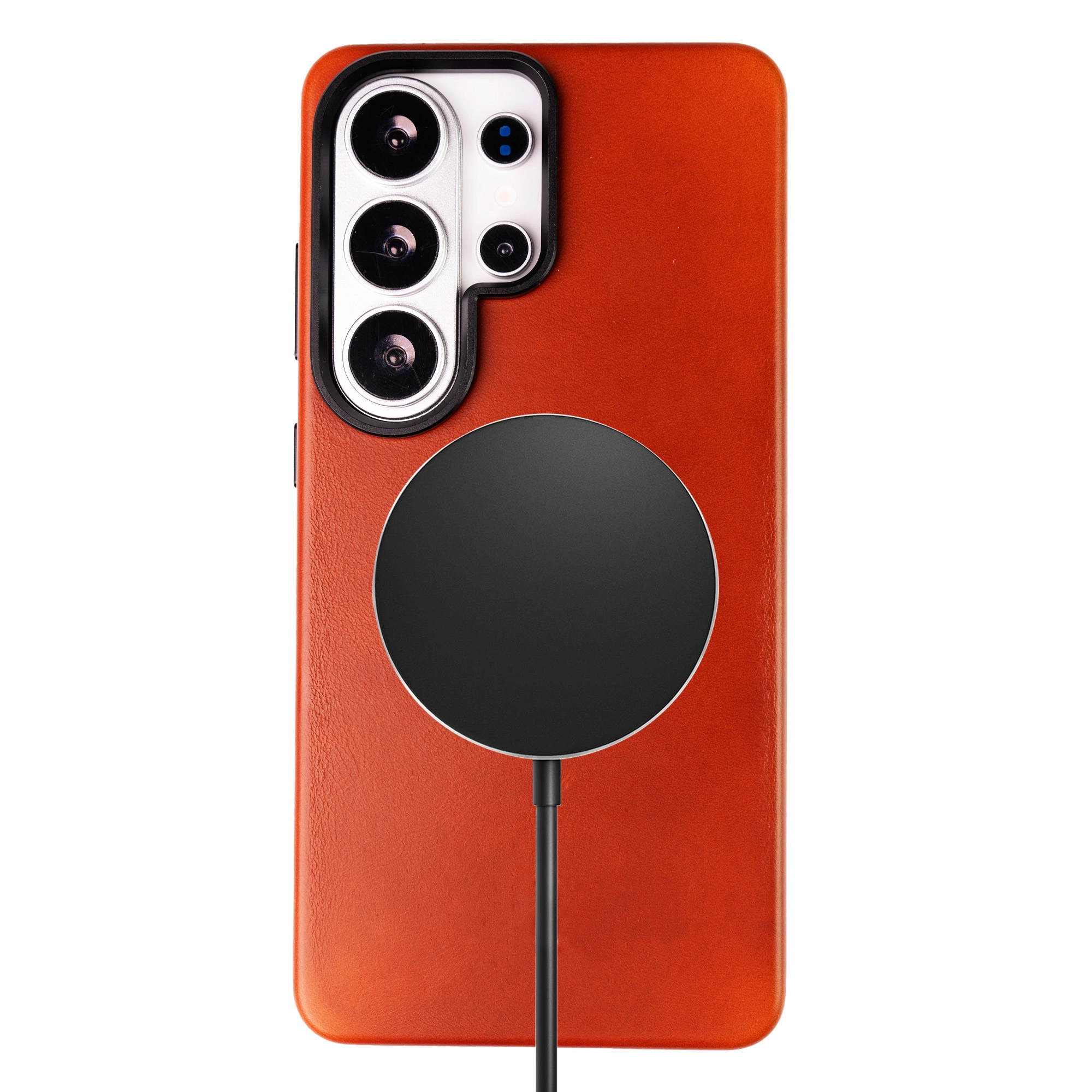
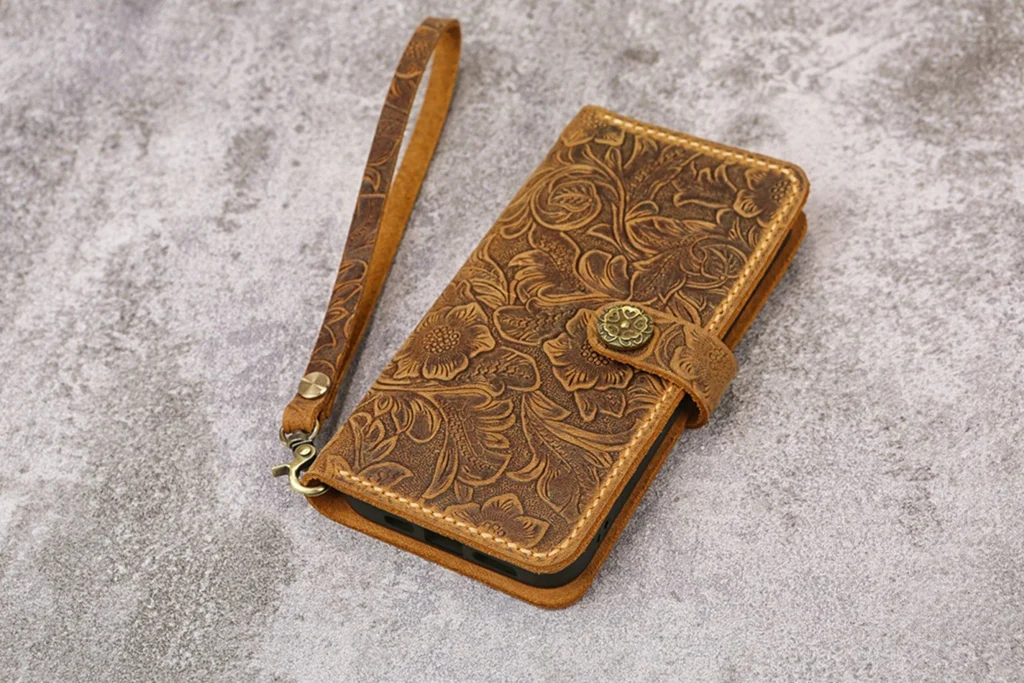
Accessories: phone cases, airpods case, watch bands, eyewear pouches, watch straps
-
Furniture & Interiors: chairs, sofas, and decorative panels
-
Labels & Branding: eco-friendly product tags
🌍 Market Data: According to Allied Market Research (2024), the vegan leather market is expected to reach $66.3 billion by 2030, with apple leather and mushroom leather being major drivers.

apple leather bag
FAQ: Everything You Need to Know About Apple Leather
Q1: Is Apple Leather real leather?
No. Apple Leather is a vegan alternative. While it feels like leather, it’s made from apple waste and PU instead of animal hides.
Q2: Is Apple Leather durable?
Yes. Properly manufactured Apple Leather is water-resistant, scratch-resistant, and long-lasting—ideal for bags, shoes, and phone accessories.
Q3: Is Apple Leather eco-friendly?
Yes. It reduces food waste, lowers carbon emissions, and avoids animal cruelty. However, since it contains PU for durability, it is not 100% biodegradable.
Q4: Is Apple Leather expensive?
Slightly more expensive than synthetic leather, but usually cheaper than luxury animal leather. Its eco-friendly appeal makes it worth the investment.
Q5: Where can I buy Apple Leather products?
Eco-conscious brands in Europe, North America, and Asia are already integrating Apple Leather into their product lines. Italy remains the largest hub for Apple Leather production.
Final Thoughts: Why Apple Leather Matters in 2025
Apple Leather isn’t just another material—it’s part of a global shift toward sustainable, cruelty-free, and innovative alternatives. From Milan’s fashion runways to eco-friendly phone accessories, Apple Leather is proving that style and responsibility can go hand in hand.
As consumers demand more ethical choices, materials like AppleSkin® show that the future of leather doesn’t have to involve animals—or harm the planet.