
Quick Answer
A premium leather AirPods case should provide accurate model fit, smooth lid operation, full charging access, stable wireless charging compatibility, and secure retention during daily use.
For OEM and private-label buyers, developing a custom leather AirPods case requires more than just creating an attractive exterior. A professional leather AirPods case manufacturer must control pattern accuracy, dimensional tolerance, material thickness, adhesive layers, internal structure, and functional openings to ensure the final product works perfectly with the original AirPods charging case.
Small manufacturing differences may cause common user complaints, including:
- Lid opening problems
- Blocked charging ports
- Wireless charging instability
- Loose or overly tight fitting
- Misaligned indicator openings
- Difficulty removing the charging case
This guide explains how manufacturers develop, test, and produce leather AirPods cases with reliable fit, charging compatibility, and consistent quality for OEM and private label brands.
Why Leather AirPods Case Fit Requires Model-Specific Engineering
Although AirPods charging cases may look similar across generations, their structures differ.
Different AirPods models, including AirPods, AirPods Pro, and AirPods Pro 2, may vary in:
- Overall dimensions
- Lid curvature
- Hinge position
- Charging port location
- Indicator light position
- Speaker opening design
- Pairing button location
- Wireless charging area
- Bottom edge shape
Because of these differences, a custom leather AirPods case should always be developed based on the exact AirPods model.
An experienced OEM AirPods case manufacturer should confirm the product model before creating patterns, prototypes, or production samples.
Before starting development, buyers should provide:
- Exact AirPods model and generation
- Charging case version
- Design reference
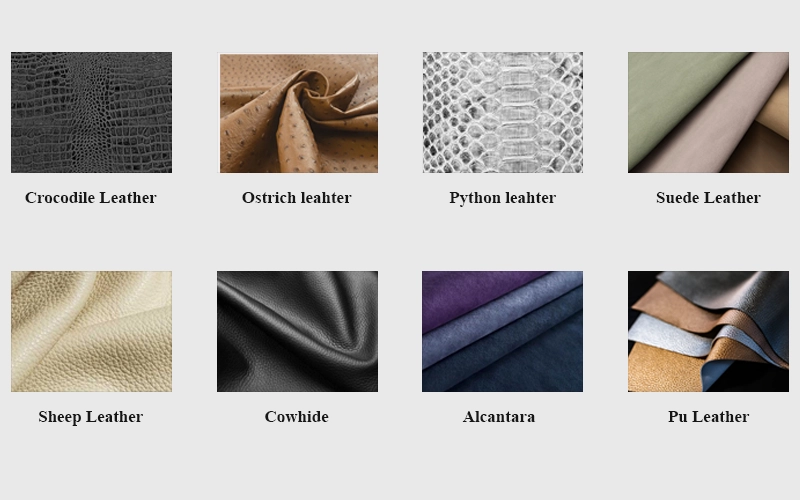
- Material preference

Material selection
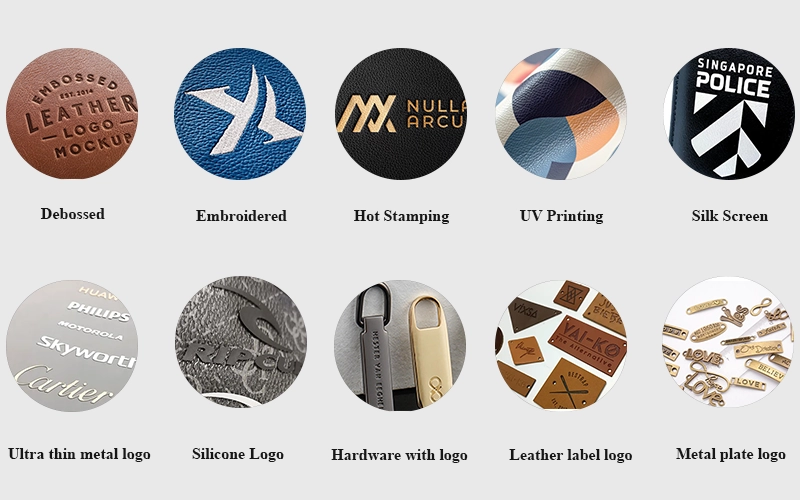
- Logo requirements
Logo option
- Hardware requirements
- Packaging requirements

Leather AirPods cases packing option
Even small dimensional differences can affect:
- Lid movement
- Charging access
- Retention strength
- Wireless charging performance
Accurate model confirmation is the foundation of successful AirPods case manufacturing.
Why Choosing the Right Leather AirPods Case Manufacturer Matters
A professional leather AirPods case manufacturer does more than cut and assemble leather.
A reliable OEM partner should understand:
- Product structure development
- Pattern engineering
- Leather processing
- Material tolerance control
- Functional testing
- Logo customization
- Mass production quality control
Poor development decisions during the early stage may result in:
- Multiple sample revisions
- Higher development costs
- Production delays
- Customer complaints after launch
For private label brands, selecting an experienced manufacturing partner helps reduce development risks and ensures the final product meets both functional and aesthetic expectations.
Pellove supports custom leather accessory projects by combining leather craftsmanship, OEM/ODM development experience, and production management to help brands create premium Apple ecosystem accessories.
Leather AirPods Case OEM Manufacturing Process
A successful leather AirPods case requires controlled development from engineering review to mass production.
1. Product Measurement and Structure Review
Before sampling, manufacturers analyze the original AirPods charging case, including:
- Body dimensions
- Lid movement range
- Hinge location
- Charging port position
- Bottom curvature
- Internal clearance
This information is used to determine:
- Cutting patterns
- Leather dimensions
- Internal construction
- Reinforcement requirements
- Functional opening positions
Accurate structure analysis helps prevent fitting issues during later production.
2. Pattern Development and Tolerance Control
Pattern accuracy is one of the most important factors in leather AirPods case manufacturing.
Unlike plastic products, leather accessories require additional engineering consideration because leather has:
- Natural thickness variation
- Material flexibility
- Compression characteristics
- Surface texture differences
Manufacturers develop patterns based on:
- AirPods charging case dimensions
- Leather thickness
- Wrapping allowance
- Folding allowance
- Edge finishing requirements
- Assembly tolerance
Key tolerance factors include:
| Factor | Impact |
|---|---|
| Leather thickness variation | Changes internal clearance |
| Cutting tolerance | Affects symmetry and fitting |
| Adhesive thickness | Influences lid movement |
| Lining compression | Changes retention force |
| Edge wrapping allowance | Affects appearance |
A professional manufacturer must balance:
- Protection
- Premium appearance
- Functional clearance
- Production consistency
A sample may fit perfectly, but inconsistent material control during mass production can create unexpected fitting problems.
Therefore, approved samples should always use the same material structure and production process planned for bulk manufacturing.
3. Leather Preparation, Cutting and Skiving
After pattern approval, manufacturers prepare all production components.
The process usually includes:
Leather Cutting
Leathers are cut according to approved patterns to ensure:
- Consistent dimensions
- Clean edges
- Accurate assembly positioning
Leather Skiving
Skiving is an important process for premium leather AirPods cases.
By reducing leather thickness in specific areas, manufacturers improve:
- Lid flexibility
- Folding performance
- Edge appearance
- Overall product slimness
Skiving is especially important for:
- Lid edges
- Folding areas
- Hinge sections
Proper material preparation helps avoid a bulky appearance while maintaining durability.
4. Lamination, Assembly and Functional Testing
Leather AirPods cases usually contain multiple layers:
- Outer leather
- Adhesive layer
- Inner lining
- Reinforcement materials
During lamination and assembly, manufacturers must control:
- Leather positioning
- Adhesive application
- Layer alignment
- Component bonding strength
- Hardware installation
Incorrect adhesive thickness or uneven lamination may affect:
- Lid movement
- Internal clearance
- Overall appearance
Before mass production, functional samples should be tested with real AirPods charging cases.
Testing includes:
Installing and removing the charging case
Opening and closing the lid
Checking charging access
Testing wireless charging
Checking indicator visibility
Reviewing overall appearance
A sample that looks good but fails functional testing should not proceed to production.
5. Production Quality Control
After sample approval, manufacturers must maintain consistency during mass production.
Key quality controls include:
- Leather thickness consistency
- Cutting accuracy
- Assembly tolerance
- Adhesive application
- Hardware strength
- Surface quality inspection
The production sample and bulk products should follow the same approved structure.
Critical Fit Areas in a Leather AirPods Case
A custom leather AirPods case contains several functional areas that require precise engineering. Each area affects daily usability, product durability, and perceived quality.
| Fit Area | Function | Common Issue |
|---|---|---|
| Upper lid section | Smooth opening and closing | Lid blocked or misaligned |
| Lower body section | Secure charging case retention | Too loose or too tight |
| Hinge clearance | Allows natural lid movement | Leather interference |
| Charging port opening | Supports cable charging | Connector blocked |
| Indicator window | Shows LED status | Light hidden or shifted |
| Speaker opening | Maintains function access | Hole misalignment |
| Pairing button area | Allows button operation | Difficult to press |
| Wireless charging area | Supports charging performance | Charging instability |
| Hook attachment area | Supports accessories | Leather tearing |
A high-quality leather AirPods case should protect the charging case while keeping all original functions accessible.
Lid Alignment and Hinge Clearance
The upper lid is one of the most sensitive areas in leather AirPods case manufacturing.
A leather case usually contains multiple layers:
- Outer leather
- Adhesive layer
- Inner lining
- Reinforcement materials
These layers increase the total thickness and may affect lid movement if the structure is not properly controlled.
Common lid problems include:
- The lid cannot open fully
- Uneven closing
- The upper cover is separating from the AirPods lid
- Leather rubbing against the hinge
- Uneven front appearance
Manufacturers should carefully control:
Upper Cap Depth
If the cap depth is too shallow:
- The cover may detach
- Retention becomes weak
If the cap depth is too deep:
- Lid opening may become restricted
- The product may appear bulky
Hinge Clearance
The hinge area requires sufficient space for smooth movement.
Important factors include:
- Cutout position
- Edge thickness
- Material flexibility
- Adhesive thickness
For premium private-label AirPods cases, lid alignment is also an important quality indicator. Even a small misalignment can reduce the perceived value of the product.
Charging and Wireless Charging Compatibility
Charging performance is one of the most important evaluation points for OEM buyers.
A well-designed leather AirPods case should support:
- Easy cable insertion
- Clear indicator visibility
- Proper button access
- Stable wireless charging
A protective cover should improve the user experience rather than impose additional limitations.
Charging Port Control
The bottom opening of the leather AirPods case must align with the charging port.
Common charging problems include:
- Bottom opening too small
- Incorrect opening position
- Leather is blocking the connector
- Inner lining covering the charging area
- The charging case is sitting too high inside the cover
Manufacturers should validate:
Actual charging cable insertion
Connector clearance
Different cable designs
Long-term durability around the opening
Charging access should always be tested with the finished leather structure because material thickness, adhesive layers, and assembly tolerance can affect final clearance.
Wireless Charging Testing
Leather itself does not prevent wireless charging.
A properly engineered leather AirPods case can support wireless charging when the overall structure is correctly controlled.
Wireless charging performance may be affected by:
- Excessive material thickness
- Uneven internal positioning
- Poor bottom structure
- Incorrect hardware placement
The AirPods charging case should sit:
- Flat
- Centered
- Securely
Wireless charging testing should include:
Finished leather case
Real AirPods charging case installed
Common wireless chargers
Multiple charging cycles
Testing should always use the final production structure instead of a simplified prototype.
Retention Balance: Secure Fit vs Easy Removal
A premium leather AirPods case requires the correct balance between security and convenience.
The product should hold the charging case firmly during daily use but should not become difficult to remove.
Problems Caused by Weak Retention
If the internal fit is too loose:
- Charging case may slide out
- Upper cover may detach
- Drop protection decreases
- Product feels inexpensive
Problems Caused by Excessive Retention
If the fit is too tight:
- Users struggle to remove the charging case
- Leather may stretch
- Inner lining may separate
- Product becomes inconvenient
Retention depends on:
- Internal dimensions
- Leather thickness
- Lining friction
- Adhesive layer
- Cap depth
- Material flexibility
During sample approval, buyers should test:
Shake resistance
One-handed removal
Repeated installation
Long-term fitting performance
The ideal leather AirPods case should feel secure but effortless.
How Material Thickness Affects Fit and Performance
Material thickness directly affects:
- Product appearance
- Lid clearance
- Charging access
- Wireless charging performance
- Overall product size
The final thickness includes:
- Surface leather
- Backing material
- Adhesive
- Inner lining
- Reinforcement
- Edge finishing
Excessive Thickness May Cause:
- Bulky appearance
- Poor lid alignment
- Reduced charging clearance
- Difficult installation
- Unstable wireless charging
Insufficient Thickness May Cause:
- Weak protection
- Loose fitting
- Reduced durability
- Lower premium feeling
For OEM projects, buyers should confirm that the approved sample uses the same material structure planned for mass production.
A common manufacturing risk is:
The sample fits perfectly, but bulk production uses different leather thickness, lining, or adhesive layers, causing unexpected fit issues.
Hooks, Rings and Hardware Design Considerations
Many custom leather AirPods cases include:
- Metal hooks
- Rings
- Wrist straps
- Lanyards
These accessories improve portability but require additional structural reinforcement.
Common hardware issues include:
| Problem | Cause | Solution |
|---|---|---|
| Leather tearing | Weak attachment area | Add reinforcement |
| Hook loosening | Poor fixing method | Improve structure |
| Hardware scratching leather | Poor finishing | Improve protection |
| Hardware affecting charging | Incorrect placement | Review design |
Hardware quality should match the leather case’s premium positioning.
For luxury retail and corporate gift projects, manufacturers should also consider:
- Hardware color consistency
- Surface protection
- Packaging protection
- Long-term durability
Common Manufacturing Mistakes When Developing Leather AirPods Cases
1. Using the Wrong AirPods Model Reference
Different generations require different structures.
Using an incorrect reference model may cause:
- Poor fitting
- Incorrect openings
- Charging problems
2. Approving Samples Without Real Device Testing
Photos and drawings cannot verify:
- Lid movement
- Charging access
- Wireless charging
- Retention performance
Physical testing with real AirPods devices is essential before mass production.
3. Changing Materials After Sample Approval
Different leather thicknesses, lining, or adhesive layers can change final dimensions.
Mass production materials should match the approved sample structure.
Leather AirPods Case Sample Testing Checklist
Before approving mass production, OEM buyers should evaluate:
Fit Testing
Correct AirPods model
Charging case installation
Lid opening and closing
Hinge movement
Installation and removal
Retention strength
Function Testing
Charging cable access
Wireless charging performance
Indicator visibility
Pairing button operation
Speaker opening alignment
Quality Testing
Leather surface quality
Color consistency
Logo position
Stitching quality
Hardware durability
Real-device testing is the most reliable way to confirm product performance before bulk manufacturing.
OEM RFQ Checklist for Custom Leather AirPods Cases
To receive an accurate quotation and development recommendation, buyers should provide:
Product Information
- Exact AirPods model
- Charging case version
- Reference design
- Required case style
Material Requirements
- Genuine leather
- PU leather
- Vegan leather
- Color preference
- Texture preference
- Lining requirement
Customization Requirements
- Logo file
- Logo position
- Embossing/debossing
- Printing
- Metal badge
- Hardware requirements
Business Requirements
- Target MOQ
- Target price range
- Sales channel
- Packaging requirements
- Sample requirements
- Launch schedule
Clear RFQ information allows manufacturers to recommend the most suitable structure, material combination, and production method.
MOQ and Development Timeline Considerations
For private label AirPods case projects, development time depends on:
- Product complexity
- Material availability
- Customization requirements
A typical development process includes:
- Design confirmation
- Structure evaluation
- Pattern development
- Material preparation
- Sample production
- Functional testing
- Sample approval
- Mass production
MOQ depends on:
- Product structure
- Material selection
- Logo method
- Packaging requirements
For startups and new brands, using existing structures, standard materials, and simple branding methods can help reduce initial investment.
How Pellove Supports Custom Leather AirPods Case Projects
Pellove develops premium leather accessories for brands, retailers, and private label buyers.
For custom leather AirPods case projects, Pellove supports the complete OEM/ODM development process, including:
Product Development
- Structure evaluation
- Fit review
- Pattern adjustment
- Material recommendation
- Design optimization
Manufacturing Support
- Leather selection
- Leather cutting and skiving
- Lamination and assembly
- Color matching
- Logo customization
- Hardware development
- Packaging solutions
Quality Control
Before shipment, products can be checked for:
- Fit accuracy
- Charging compatibility
- Appearance quality
- Logo consistency
- Assembly quality
- Hardware durability
With experience in premium leather accessories, Pellove supports not only AirPods cases but also complete Apple ecosystem product collections, including:
- Custom leather phone cases
- Leather iPad cases
- MagSafe wallets
- Apple Watch straps
- Premium gift packaging
By combining leather craftsmanship, OEM/ODM development experience, and quality control systems, Pellove helps brands create consistent premium accessory collections.
FAQ
Can leather AirPods cases support wireless charging?
Yes. A properly engineered leather AirPods case can support wireless charging when material thickness, internal positioning, and hardware placement are properly controlled.
Wireless charging should always be tested with the fully assembled production sample.
Why does an AirPods case not fit properly inside a leather cover?
Common causes include:
- Incorrect AirPods model
- Wrong pattern dimensions
- Excessive material thickness
- Adhesive buildup
- Poor internal structure
Professional pattern development and real-device testing help prevent these issues.
Can manufacturers customize AirPods case designs?
Yes. OEM suppliers can customize:
- Materials
- Colors
- Logos
- Hardware
- Packaging
- Product structures
Manufacturers can evaluate customer drawings, reference samples, or product concepts and recommend suitable solutions based on production feasibility.
Do suppliers provide samples before mass production?
Yes. Professional manufacturers usually develop samples for:
- Fit validation
- Functional testing
- Appearance approval
Mass production should begin only after sample approval.
What MOQ is required for private label AirPods cases?
MOQ depends on:
- Product structure
- Material selection
- Logo method
- Packaging requirements
For startups, existing structures and standard materials can help reduce initial investment.
How long does it take to develop a custom leather AirPods case?
Development time depends on design complexity, material preparation, and customization requirements.
Projects using existing structures usually move faster, while fully customized designs require additional engineering and sampling time.
Conclusion
Developing a successful leather AirPods case requires more than premium leather and attractive branding.
For OEM and private label buyers, the key factors are:
- Accurate model compatibility
- Precise pattern development
- Controlled material thickness
- Lid and hinge alignment
- Charging accuracy
- Wireless charging performance
- Secure retention
- Real-device testing
Small dimensional differences can create major usability problems after mass production.
Working with an experienced leather AirPods case manufacturer helps brands reduce development risks and create products that combine premium appearance with reliable daily performance.
Pellove supports custom leather AirPods case projects by helping buyers evaluate structure, materials, branding, testing, packaging, and production feasibility before bulk manufacturing begins.
For brands developing premium Apple ecosystem accessories, a professionally engineered leather AirPods case can become an important part of a complete accessory collection.