
Introduction: Why Leather Phone Cases Spark So Many Questions
Leather phone cases blend luxury and functionality, but their unique characteristics often leave buyers curious. Whether you’re eyeing the best leather phone cases for your new iPhone or wondering about durability, this guide tackles every query—from material myths to how to clean a leather phone case.
Section 1: Material Matters – Real Leather vs Fake Leather Phone Cases
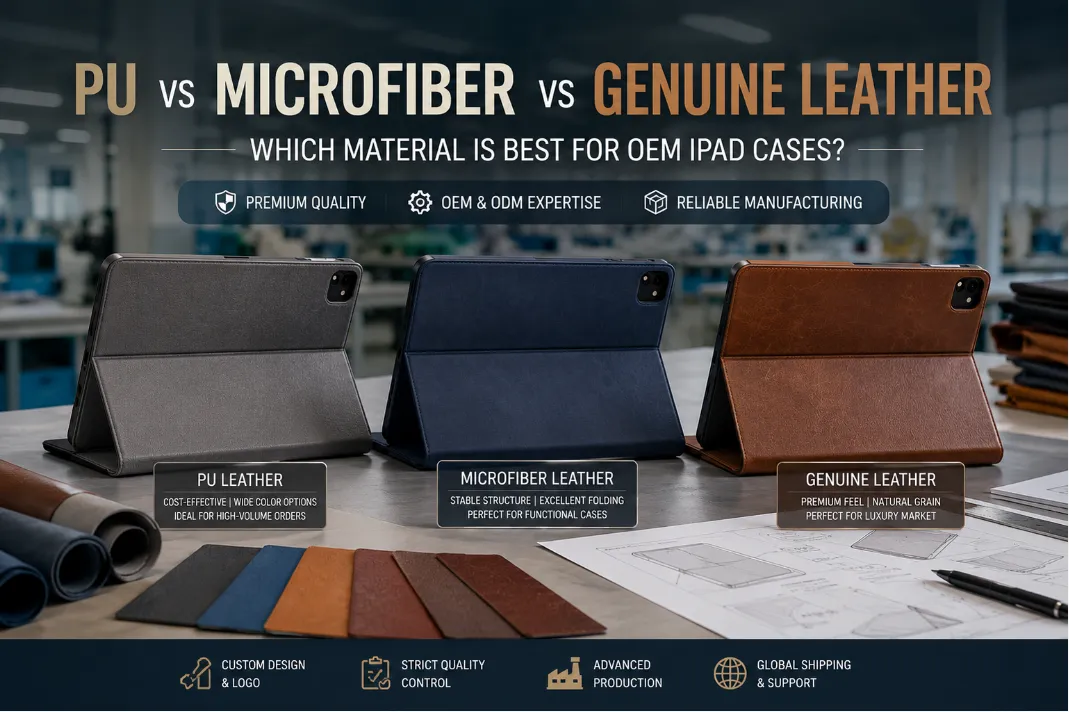
Q: What’s the difference between genuine leather and PU leather?
Genuine Leather (e.g., Top-Grain Cowhide):
Develops a rich patina, answering “Do leather phone cases last long?” with a resounding yes.
Breathable, durable, and ideal for high-quality leather phone cases.
PU Leather:
Affordable but lacks natural aging properties.
Q: Are leather phone cases protective? Comparing vegetable-tanned vs. chrome-tanned:
Vegetable-Tanned: Eco-friendly, develops dramatic patina (perfect for custom engraved leather phone cases).
Chrome-Tanned: Softer, water-resistant—ideal for iPhone leather case users prioritizing daily durability.
Section 2: Care & Maintenance – How to Clean a Leather Phone Case
Q: Will my leather phone case discolor?
Natural darkening is part of the patina process. Prevent transfer from jeans with monthly conditioning.
Q: How to clean a leather phone case properly?
Daily: Microfiber cloth for dust.
Deep Clean: pH-balanced cleaner (never alcohol!).
Pro Tip: Air-dry away from heat to maintain protective qualities.
Q: Why is my iPhone leather case getting shiny?
This natural patina means the leather is aging beautifully—a hallmark of real leather phone cases.
Section 3: Functionality – Best Leather Phone Cases for Your Needs
Q: Are leather cases protective against drops?
Plain leather: Scratch protection.
Leather + TPU liner: Moderate drop protection (great for iPhone 15 Pro Max).
Q: Wireless charging compatibility?
Look for “Qi-certified” or “MagSafe-compatible” labels—key for the best leather phone cases in 2024.
Section 4: Purchasing – Where to Buy High-Quality Leather Phone Cases
Q: Why the price differences?
Hand-stitched full-grain leather costs more than bonded alternatives.
Custom-engraved leather phone cases add personalization value.
Q: How to spot fake leather?
Touch/Smell Test: Real leather feels warm and smells organic.
Edge Test: Genuine leather shows fibrous layers.
Section 5: Special Tips for Leather Phone Cases
Q: Summer use?
Genuine leather breathes better than synthetics. Opt for lighter colors.
Q: Edge cracks?
Minor cracks: Condition with leather glue.
Severe damage: Time to shop for the best leather phone cases for iPhone 17 Pro Max.
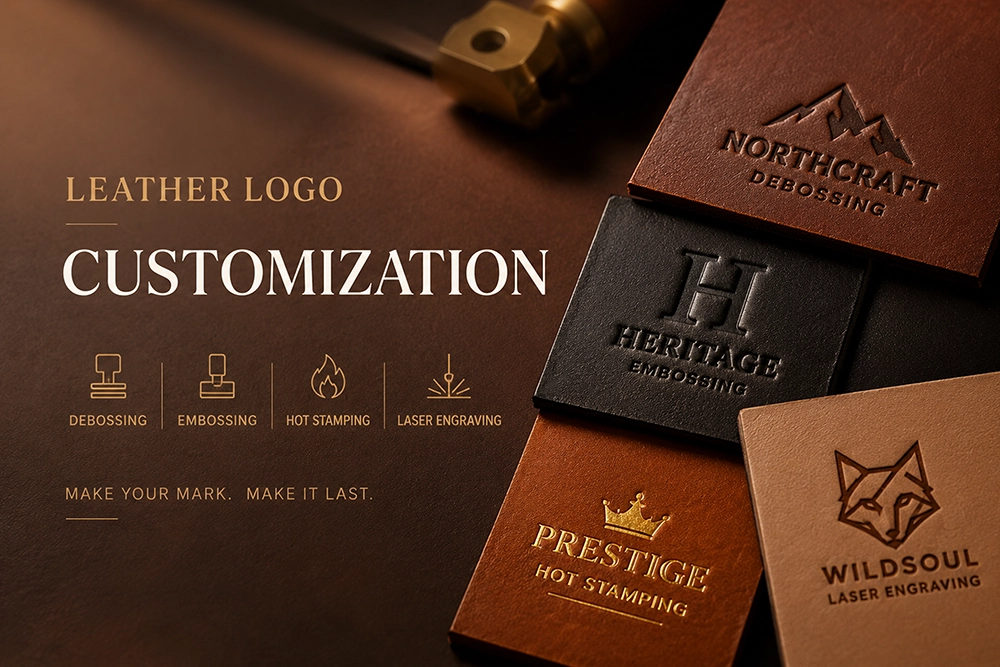
Q: Custom engraved leather phone cases—worth it?
Foil stamping or laser engraving adds personality without compromising durability.
Pro Tips to Extend Your Leather Phone Case’s Life
Condition every 4–6 weeks to prevent drying.
Rotate cases to reduce wear.
Store in a breathable pouch—critical for high-quality leather phone cases.
Whether you’re a first-time buyer or a patina enthusiast, this guide ensures you’ll choose the perfect leather phone case.
FAQ
Q1: Are leather phone cases better than PU leather cases?
Yes. Genuine leather offers durability, natural aging (patina), and a longer lifespan. PU leather is more affordable but tends to peel, crack, and lose its appearance faster over time.
Q2: What type of leather is best for phone cases?
Full-grain and top-grain leather are considered the best options. They are more durable, develop a premium patina, and maintain structure better than bonded leather or synthetic alternatives.
Q3: Do leather phone cases protect against drops?
They provide good everyday protection against scratches and minor bumps. For stronger drop resistance, choose leather cases with internal TPU or polycarbonate shock-absorbing layers.
Q4: Why does my leather phone case change color over time?
This is called patina. It develops naturally from oils, sunlight, and daily handling, and is a key characteristic of real leather rather than a defect.
Q5: How often should I clean and maintain a leather phone case?
Light cleaning can be done weekly with a microfiber cloth. Conditioning is recommended every 4–6 weeks to keep the leather soft and prevent drying or cracking.