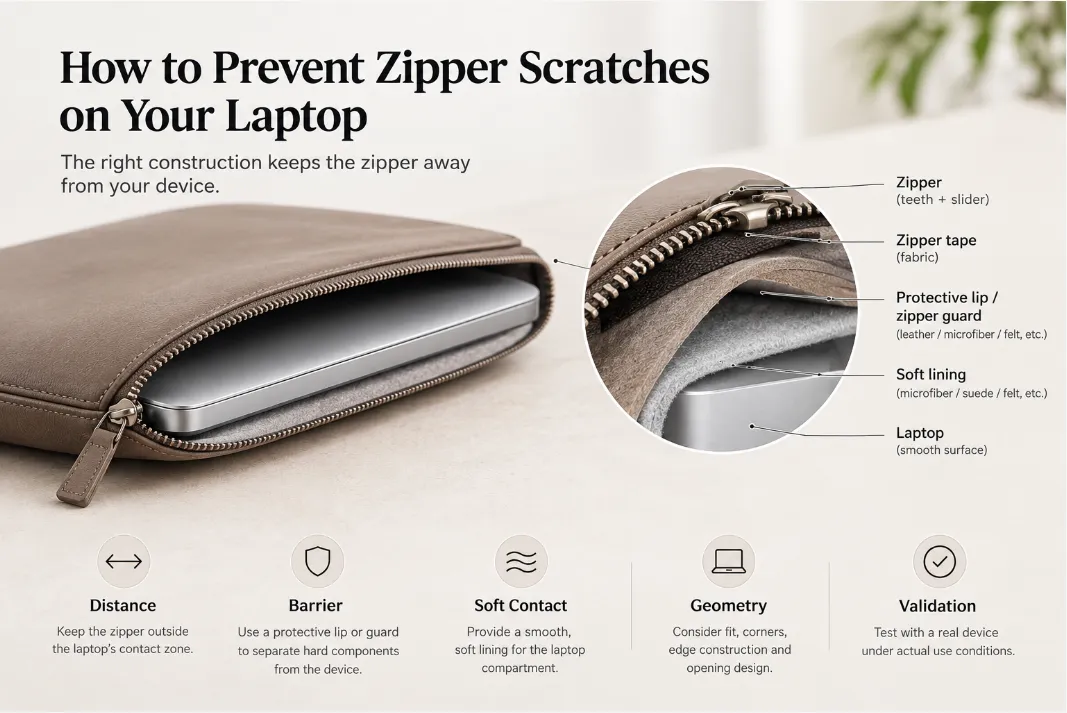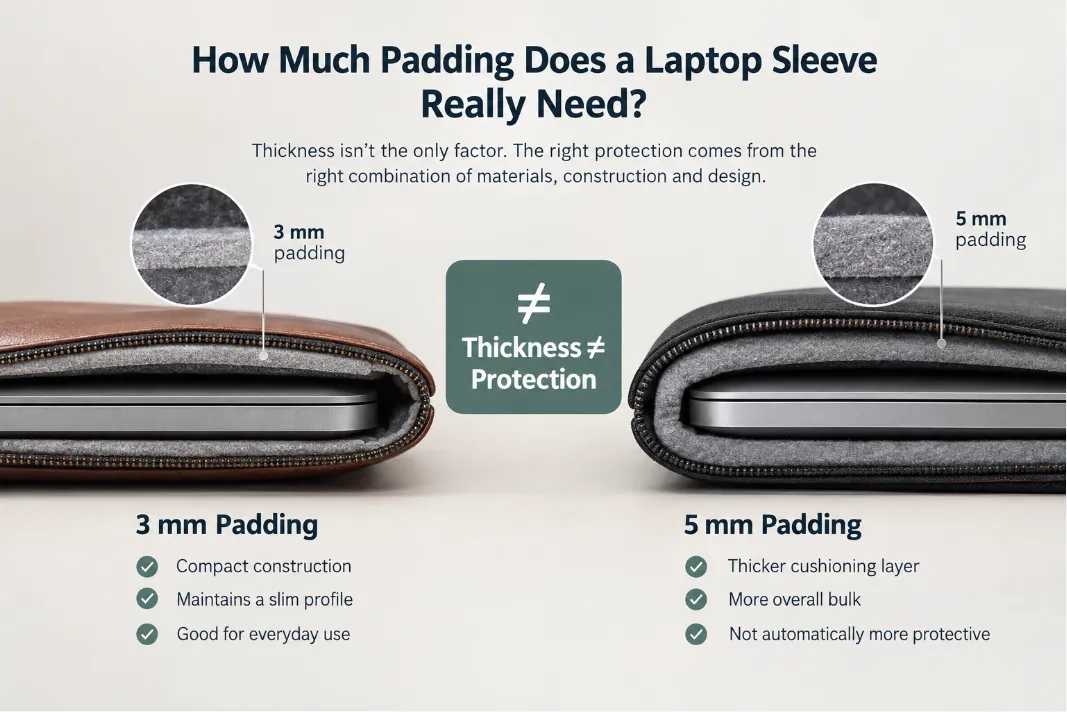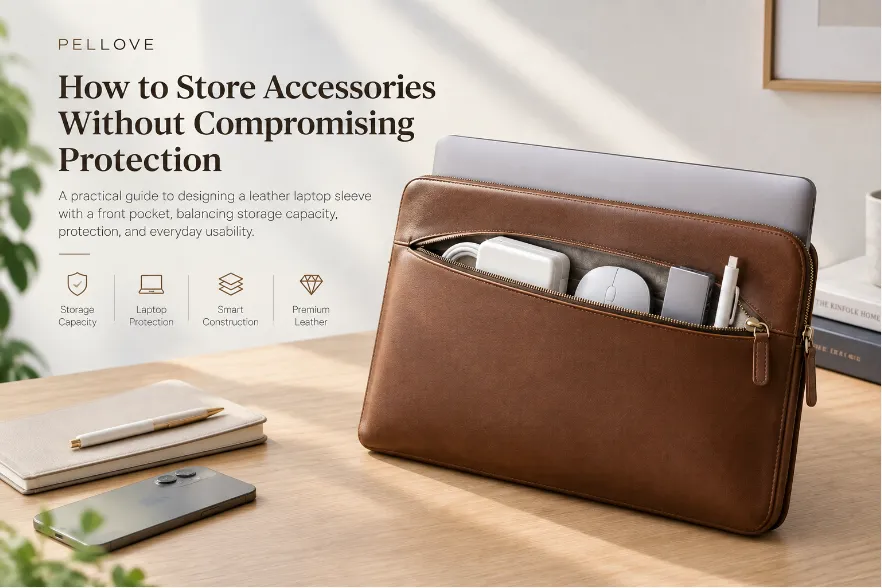

What Is Oil Waxed Leather?
Oil waxed leather ranks among the most popular types of leather for high-quality bags, oil waxed Leather phone case, wallets, jackets, and accessories. Its rugged, slightly oily texture and the way it develops a rich patina over time make it a favorite among artisans and luxury brands. These products are not only durable but also stylish.-
So, what exactly makes oil waxed leather unique—and is it worth choosing for your next leather item?
In this guide, we’ll walk you through everything you need to know: its special characteristics, how it’s crafted, how it compares to other leathers, care tips, and whether it fits your needs.
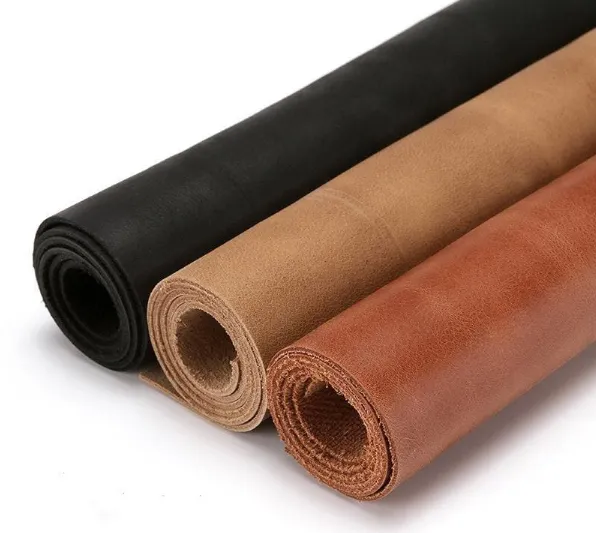
Oil Waxed leather
Understanding Oil Waxed Leather
Oil waxed leather isn’t a separate type of leather. Instead, it is a finishing process applied to full-grain leather. This treatment gives the leather distinct characteristics:
- Infusion of natural oils and waxes – creates a slightly glossy, water-resistant surface
- Soft yet durable texture – remains supple while resisting scratches and wear
- Aging and patina – develops a unique vintage look that grows more beautiful with time
Initially popular with outdoor and leathercraft brands for rugged gear, oil waxed leather eventually became common in premium leather goods because it combines durability, functionality, and timeless style.
How Is Oil Waxed Leather Made?
The crafting process preserves the leather’s natural qualities while adding protective oils and waxes. Here’s a closer look:
Step-by-Step Process
- Hide Selection
Manufacturers start with full-grain cowhide, chosen for its natural strength and minimal surface imperfections. - Tanning
The hides undergo vegetable or chrome tanning, which softens the leather while keeping it durable and pliable. - Oiling & Waxing
Craftsmen apply natural oils, such as neatsfoot or coconut oil, followed by a wax coating. This step gives the leather a slightly glossy, water-resistant finish. - Finishing
Finally, the leather is buffed and polished, leaving it soft, supple, and ready for use in crafting high-quality products.
Key Features of Oil Waxed Leather
| Feature | Description |
|---|---|
| Softness | Soft and supple with a slightly oily feel |
| Durability | Scratch-resistant and long-lasting |
| Water Resistance | Naturally repels water but benefits from occasional conditioning |
| Aging | Develops a vintage patina unique to each piece |
| Appearance | Slight sheen with natural color variations |
Comparing Oil Waxed Leather With Other Leathers
Here’s how oil waxed leather stacks up against regular full-grain leather and nappa leather:
| Feature | Oil Waxed Leather | Regular Full-Grain Leather | Nappa Leather |
|---|---|---|---|
| Water Resistance | High | Low | Medium |
| Texture | Slightly oily, soft | Smooth or rough | Very soft, smooth |
| Durability | Very durable | Durable | Soft but less scratch-resistant |
| Aging/Patina | Rich patina over time | Gradual darkening | Minimal patina |
| Maintenance | Requires occasional waxing | Minimal | Regular conditioning |
If you want to dive deeper into how different leathers hold up over time, check out The Ultimate Guide to Leather Durability: Which Type Lasts Longest?. This guide breaks down performance across multiple leather types.
How to Identify High-Quality Oil Waxed Leather
Not every oil waxed leather product is the same. To spot top-quality pieces, look for:
- Genuine full-grain leather
- Even distribution of wax and oils
- Minimal surface blemishes
- Natural leather scent, not chemical
- Soft, supple feel with a slight oily finish
Caring for Oil Waxed Leather
Although oil waxed leather is durable, it benefits from proper care. Follow these tips to keep your items looking their best:
- Clean Gently – Use a soft, dry, or slightly damp cloth to wipe the surface
- Avoid Heat & Sunlight – Prolonged exposure can dry out the oils
- Condition Occasionally – Apply a leather wax or oil to maintain suppleness
- Don’t Overwash – Excess water can strip protective wax
Because oil waxed leather is not coated like synthetic leathers, it requires a little more attention. For a comprehensive, step-by-step care routine covering all leather types—including oil waxed leather—see The Ultimate Leather Care Guide. Regular care will help your leather stay soft, supple, and luxurious for years.
For product teams comparing this material for commercial use, pair the material decision with custom leather phone case development, phone case category planning, and the undefined so appearance, durability, MOQ, and inspection standards are reviewed together.
Frequently Asked Questions (FAQ)
Q: What is oil waxed leather?
A: Oil waxed leather is full-grain or top-grain leather treated with natural oils and waxes. This treatment creates a soft, supple feel, improves water resistance, and gives the leather a distinctive aging patina.
Q: Is oil waxed leather real leather?
A: Yes, it is genuine leather finished with oils and waxes, not synthetic materials.
Q: How does oil waxed leather differ from regular leather?
A: Unlike untreated leather, oil waxed leather absorbs oils and waxes, making it more water-resistant, supple, and capable of developing a unique patina over time.
Q: Does oil waxed leather develop a patina?
A: Yes. Regular use and exposure to light gradually create a rich, vintage look.
Q: Is oil waxed leather waterproof?
A: It is water-resistant thanks to the wax and oil treatment but not fully waterproof if fully submerged.
Q: How should I care for oil waxed leather?
A: Wipe it gently with a soft cloth, avoid excess water and direct sunlight, and occasionally reapply wax or oil.
Q: Will it scratch easily?
A: Minor marks can appear, but they often blend in and become part of the leather’s character.
Q: Should I condition oil waxed leather?
A: Yes. Periodic conditioning with specialized leather wax or oil maintains suppleness and water resistance.
Q: Can I use household oils like coconut oil?
A: DIY oils may soften leather but risk uneven coloring or sticky residue. Stick to professional leather conditioners.
Q: Does oil waxed leather darken over time?
A: Yes. Oils from handling and exposure to light gradually deepen the color and enhance the patina.