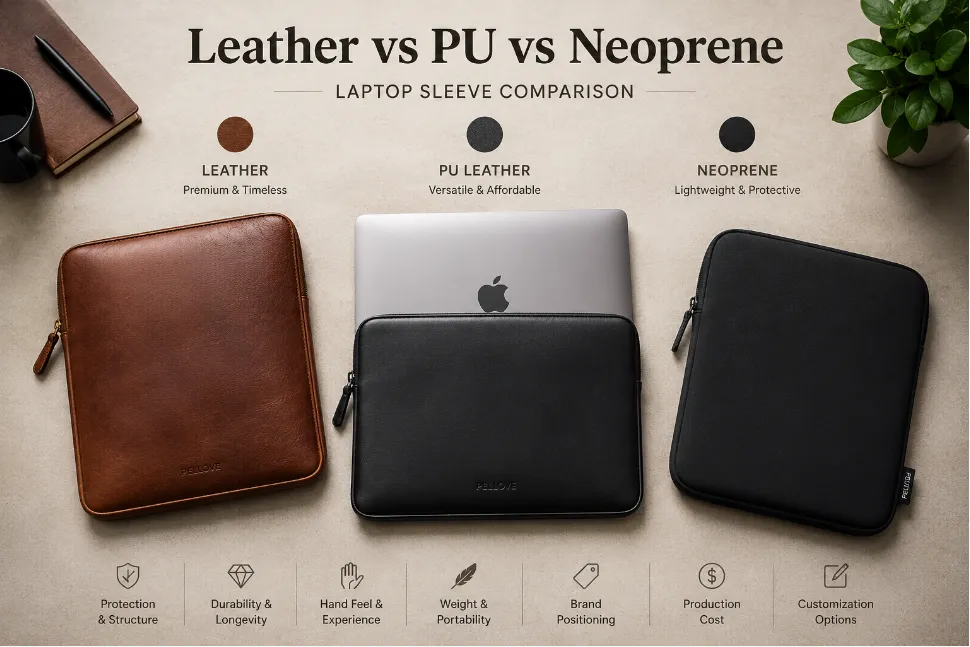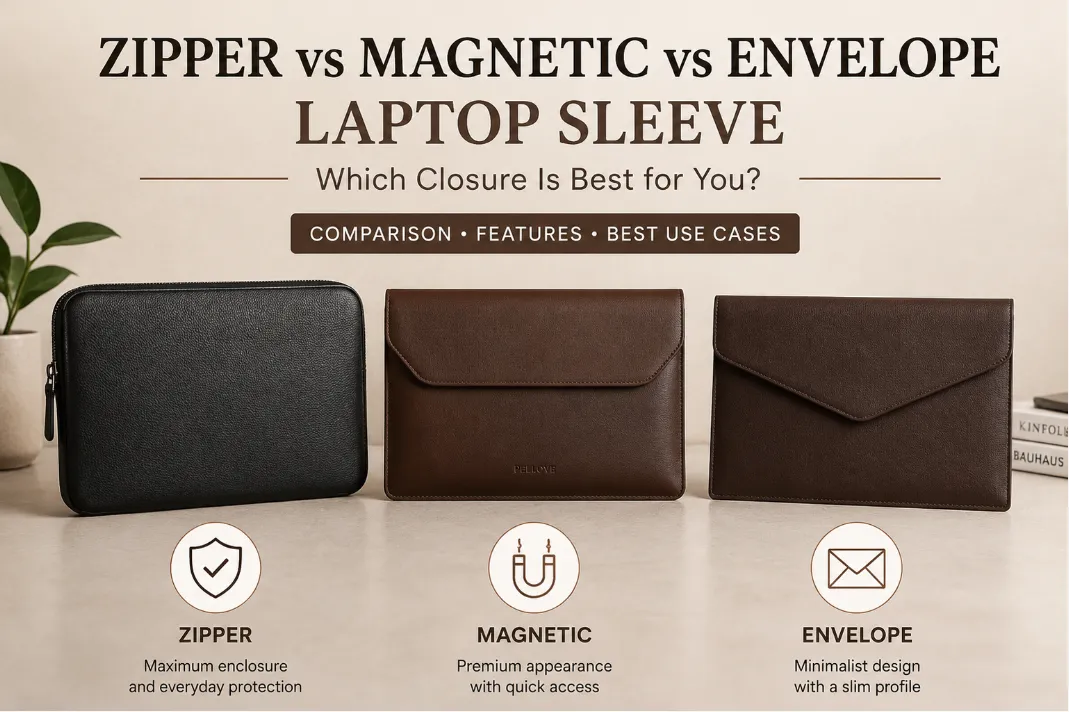

What is crocodile leather?
Crocodile leather is a genuine exotic leather made from crocodilian skin that has been tanned and finished for luxury products. It is valued for its natural scale pattern, premium appearance, and strong association with high-end accessories such as handbags, wallets, belts, shoes, and watch straps.
The most important point for buyers is that real crocodile leather is not the same as crocodile-embossed leather. Genuine crocodile leather comes from the animal itself, while embossed leather is usually cowhide or another material pressed with a crocodile-style pattern. That difference affects price, sourcing, legality, traceability, and product positioning.
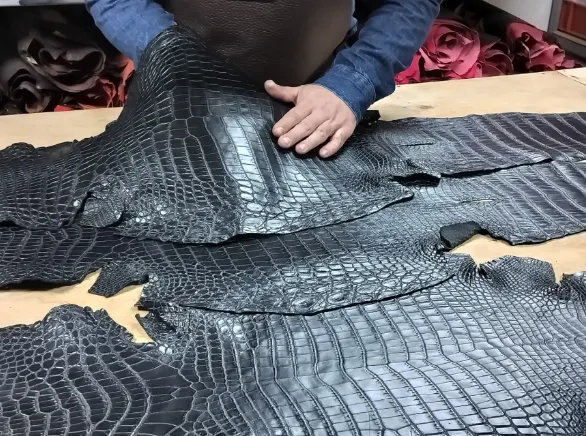
Crocodile leather
If you want a broader understanding of leather categories first, Pellove’s guide to different leather types commonly used in handbags is a helpful reference.
Quick Comparison Table
| Item | Real Crocodile Leather | Crocodile-Embossed Leather |
|---|---|---|
| Base material | Actual crocodilian skin | Usually cowhide or synthetic material |
| Pattern | Natural and irregular | Machine-stamped pattern |
| Price level | Very high | Much lower |
| Luxury positioning | Ultra-premium | Premium looks at a broader price tier |
| Traceability needs | High | Lower |
| Best for | Luxury statement products | Scalable commercial collections |
| Production flexibility | Lower | Higher |
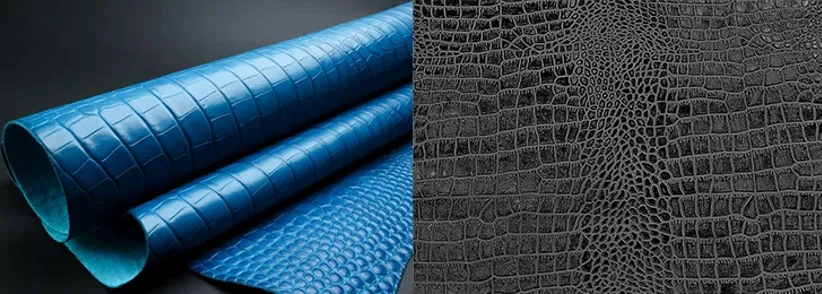
real crocodile leather vs crocodile-embossed leather
What Makes Crocodile Leather Special?
Crocodile leather stands out because of its bold natural scale structure, rarity, and luxury image. Unlike smooth calfskin or standard cowhide, it has a distinctive surface pattern that immediately changes the visual identity of a product.
It is also considered premium because it is more difficult to source, grade, and cut correctly. In luxury leather goods, the placement of the scales matters a lot, especially on visible product panels. Specialist exotic leather suppliers such as HCP Group also show how exotic skins are differentiated by species, finish, and end use.
In simple terms, crocodile leather is valued because it combines rarity, craftsmanship, and a recognizable luxury surface in one material.
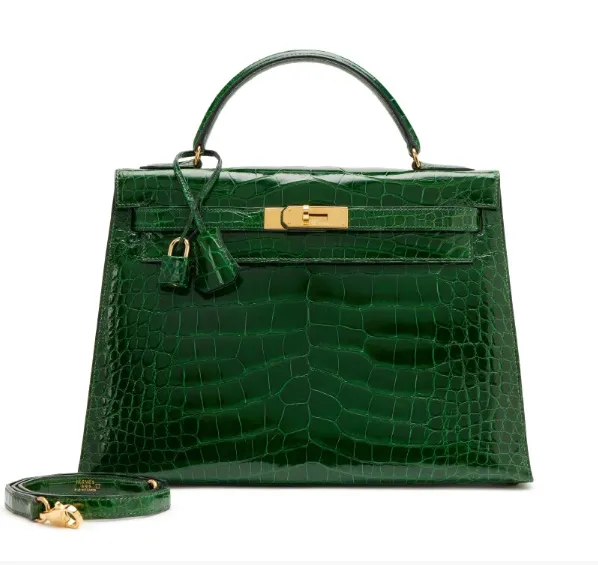
Hermès crocodile leather handbag
Is Crocodile Leather Real Leather?
Yes, crocodile leather is real leather. It is an animal-derived hide that has gone through tanning and finishing, just like cowhide, lambskin, or goatskin.
However, buyers should be careful with market descriptions. Some products described as “crocodile leather” are actually crocodile-pattern leather or crocodile-embossed leather. Those materials may still be useful, but they are not the same as genuine crocodile skin.
If you are comparing leather categories for product development, Pellove’s article on real, bonded, and faux leather is another helpful reference.
Why Is Crocodile Leather So Expensive?
Crocodile leather is expensive because the raw material is rare, the grading standard is strict, and production waste can be high. Not every section of the skin is equally suitable for visible product panels, so cutting efficiency is lower than with standard leather.
It is also expensive because legal sourcing and documentation matter. International trade in crocodilian skins is linked to systems under CITES guidance for crocodilians and the universal tagging system for crocodilian skins. For brands, this means that cost reflects not only the material itself, but also compliance, traceability, and supply-chain control.
A clear way to explain it is this: crocodile leather is expensive because it combines rarity, specialist processing, luxury positioning, and tighter sourcing controls.
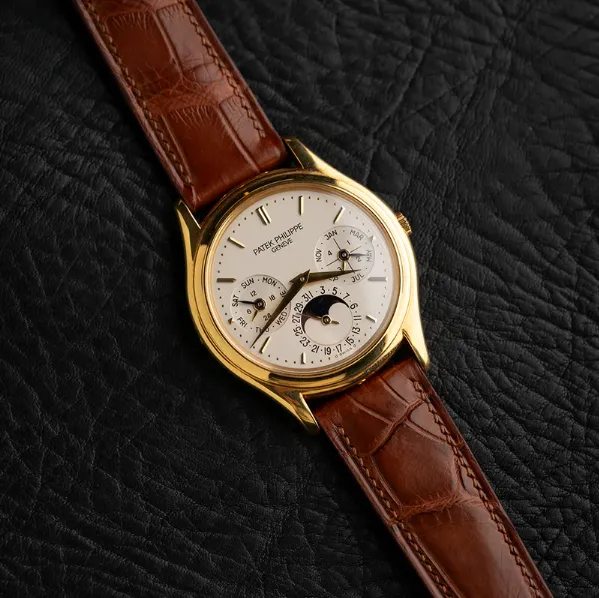
luxury crocodile watch strap
How Is Crocodile Leather Used?
Crocodile leather is most commonly used in luxury phone cases, handbags, watch straps, belts, shoes, wallets, and small leather accessories. It works best in products where exclusivity and appearance are central to the value of the item.
For many OEM and ODM projects, though, buyers do not actually need genuine crocodile skin. They want the exotic look, but they also need a more scalable material and a more manageable cost structure. In those cases, crocodile-embossed leather is often the more practical option.
Best for:
- luxury collections
- prestige branding
- limited-run accessories
- high-ticket products
Not ideal for:
- highly price-sensitive projects
- large-volume launches
- programs that require simpler sourcing
- projects with short lead times
Factory Observation
Based on our OEM/ODM experience, when clients request “crocodile leather”:
- About 70–80% of the time, they mean crocodile-embossed leather, as they want the exotic look without the high cost or long lead time of genuine crocodile skin.
- Only 20–30% of the time, they actually request genuine crocodile leather for high-end, limited-edition products.
- Clarifying the material upfront is critical to avoid misunderstandings in pricing, MOQ, and production planning.
Is Crocodile Leather Durable?
Yes, crocodile leather is generally durable when it is properly tanned, finished, and maintained. It has a strong structure and can age well over time, but it is still a premium material that benefits from careful handling and storage.
Durability depends on tanning quality, finish type, product construction, and daily use conditions. A well-made crocodile leather product can last for many years, but poor care may lead to dryness, stiffness, or visible wear.
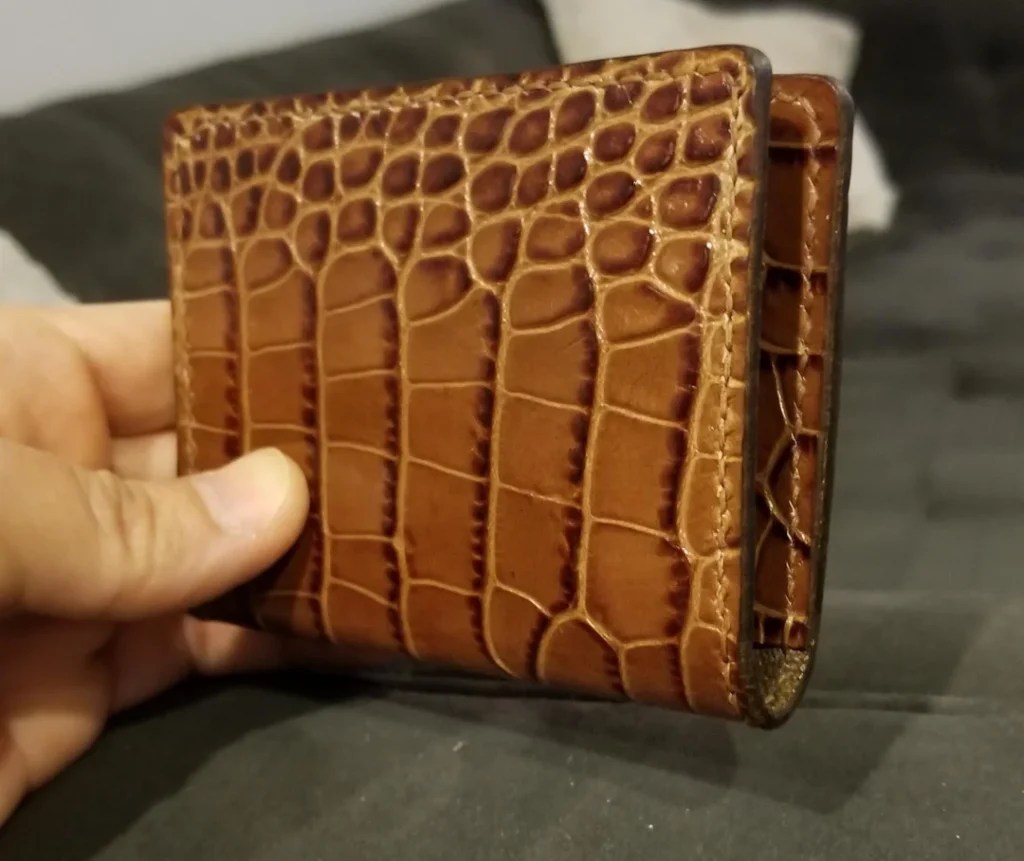
crocodile wallet
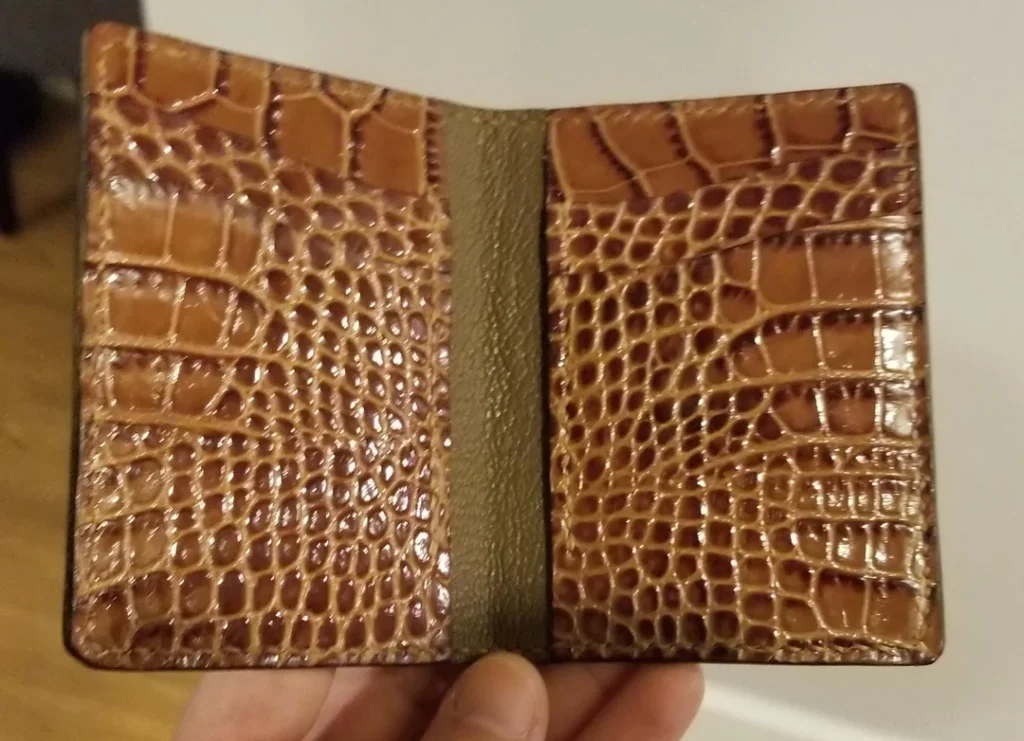
used crocodile wallet
What Should Brands Check Before Sourcing Crocodile Leather?
If a brand is considering crocodile leather for a collection, these are the main questions to review before development begins.
| Checkpoint | Why It Matters | What to Ask |
|---|---|---|
| Real or embossed | The two materials belong to different price and sourcing categories | Is this genuine crocodile skin or embossed leather? |
| Species and finish | Appearance and value can vary significantly | What species, cut, and finish are being offered? |
| Legality | Exotic skins require proper documentation | Can the supplier provide legal trade documents? |
| Traceability | Premium buyers increasingly expect supply-chain transparency | How traceable is the material back to source or tannery? |
| MOQ and lead time | Exotic materials may slow development and production | What are the realistic sampling and production timelines? |
| Manufacturing ability | Pattern placement and workmanship strongly affect the final result | Can the factory show similar premium projects? |
Traceability is becoming more important across the leather industry as a whole. The Leather Working Group traceability overview is useful for understanding why sourcing transparency matters more in premium leather supply chains.
If your goal is premium texture but better scalability, embossed leather is often the smarter commercial route. If you want to discuss materials, sampling, and OEM/ODM development, you can Contact Pellove here.
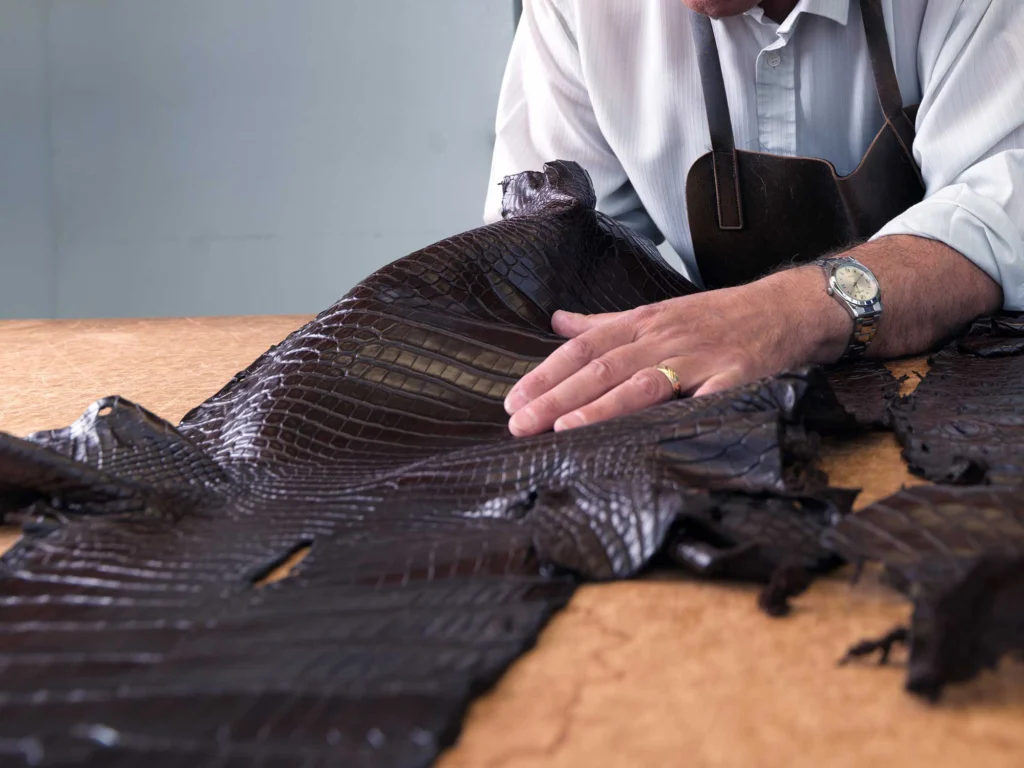
Crocodile leather selection
Crocodile Leather vs Crocodile-Embossed Leather
For most brands, this is the real decision point. Genuine crocodile leather is best when the product must signal rarity, exclusivity, and luxury. Crocodile-embossed leather is best when the brand wants a similar visual effect with lower cost, easier sourcing, and more flexible production.
That is why many commercial accessory programs choose embossed leather instead of true exotic skin. It delivers the exotic look in a format that is easier to scale across watch straps, phone accessories, wallets, and other small leather goods.
[Image suggestion: embossed leather sample next to genuine exotic leather sample]
Final Answer
Crocodile leather is a genuine exotic leather made from crocodilian skin and used in luxury products for its natural scale pattern, rarity, and premium appearance. It is not the same as crocodile-embossed leather, which only imitates the look. For brands and buyers, the key decision is whether they need the exclusivity of real exotic skin or the practicality of embossed leather.
FAQ
What is crocodile leather?
Crocodile leather is a genuine exotic leather made from crocodilian skin that is tanned and finished for luxury goods.
Is crocodile leather real leather?
Yes. Genuine crocodile leather is real leather made from animal skin.
Is crocodile leather the same as alligator leather?
No. They are both exotic leathers, but they come from different animals and have different scale patterns and market positioning.
Why do some products look like crocodile leather but cost much less?
They are often made from crocodile-embossed leather or synthetic materials rather than genuine crocodile skin.
Is crocodile leather suitable for OEM or ODM projects?
Yes, but it is usually better suited to premium or limited collections. For broader commercial programs, embossed leather is often more practical.
If you are developing premium watch straps, wallets, phone cases, or other leather accessories, Pellove can help you compare genuine exotic textures with more scalable embossed options. Reach out to discuss materials, sampling, MOQ, logo customization, and OEM/ODM production needs.