
Leather has been one of the most coveted materials in fashion for centuries. Known for its durability, elegance, and versatility, leather plays a critical role in determining the quality, look, and lifespan of a handbag. Whether you are investing in a luxury designer piece or shopping for an everyday carry bag, understanding the different types of leather used in handbags will help you make a smarter decision.
In this guide, we break down the most popular handbag leathers—from full-grain cowhide to exotic crocodile—exploring their characteristics, production methods, pros & cons, and best uses.
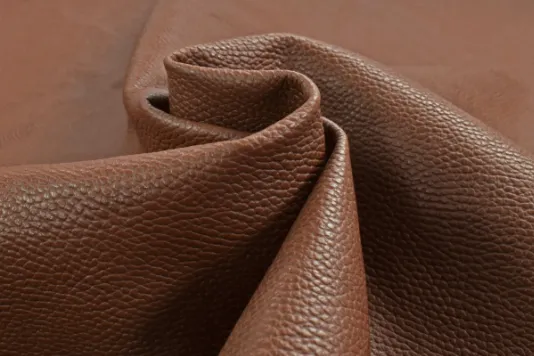
1. Full-Grain Cowhide Leather (Top-Layer Cowhide)
Overview: Full-grain cowhide is the highest-quality and most durable leather used in handbags. It retains the natural grain of the hide, giving each bag a unique texture and look.
Texture & Feel: Soft yet strong, breathable, with a natural sheen that develops a patina over time.
Production: Typically chrome-tanned (for softness and water resistance) or vegetable-tanned (eco-friendly and ages beautifully).
Best For: Luxury handbags, structured totes, briefcases, and high-end wallets.
Pros: Extremely durable, ages gracefully, breathable.
Cons: Expensive, shows natural imperfections, requires care.
2. Split Leather (Second-Layer Cowhide)
Overview: Made from the lower layers of cowhide, split leather is more affordable but less durable than full-grain. Often embossed and coated with PU/PVC to imitate natural textures.
Texture & Feel: Slightly rough, more rigid, lacks the softness of full-grain.
Best For: Budget-friendly handbags, upholstery, and casual accessories.
Pros: Affordable, uniform appearance, easy to clean.
Cons: Less breathable, wears out faster, lacks luxury feel.
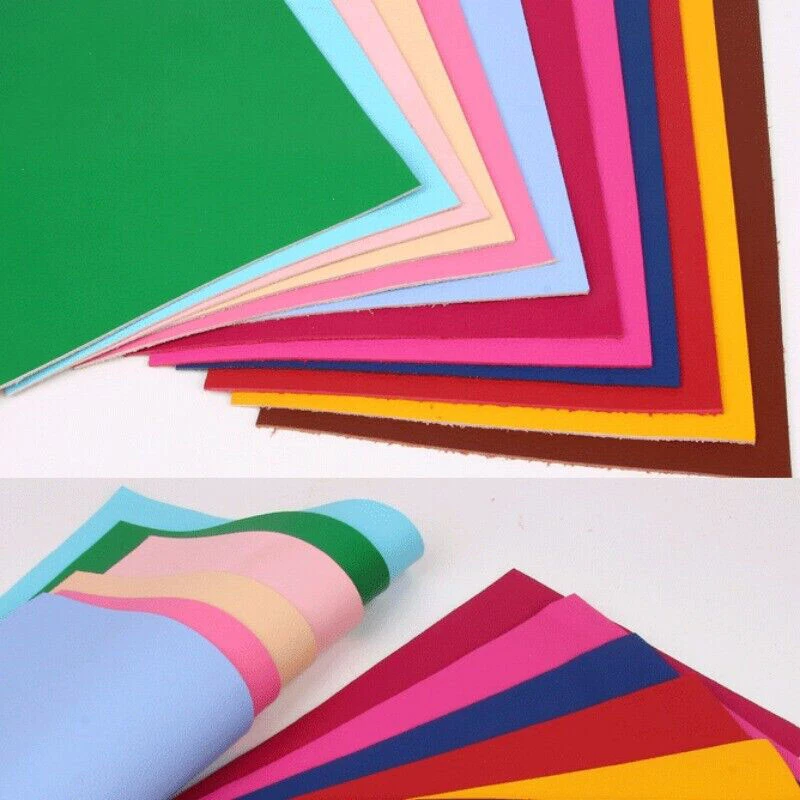
Second-Layer Cowhide
3. Lambskin Leather
Overview: Valued for its luxurious softness, lambskin is a favorite for high-end designer handbags. However, it is delicate and requires careful handling.
Texture & Feel: Ultra-soft, smooth, silky touch.
Best For: Premium handbags, gloves, jackets, and accessories.
Pros: Elegant look, lightweight, extremely soft.
Cons: Less durable, prone to scratches, not suitable for heavy use.
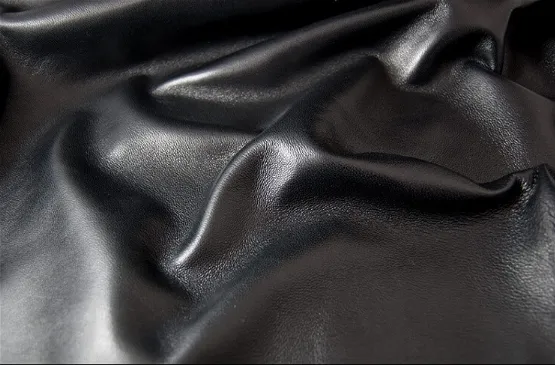
Lambskin Leather
4. Goatskin Leather
Overview: Goatskin offers a balance of durability and flexibility, making it popular for vintage-style bags and artisan goods.
Texture & Feel: Distinct pebbled surface, tougher than lambskin, flexible.
Best For: Vintage handbags, durable gloves, belts, and rustic accessories.
Pros: Strong yet supple, affordable, and develops patina.
Cons: Not as soft as lambskin, limited luxury appeal.
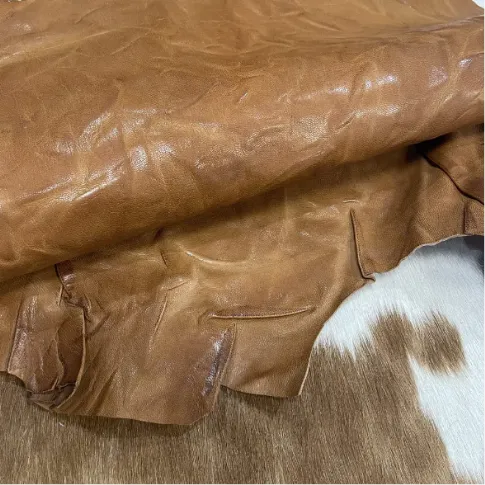
Goatskin Leather
5. Ostrich Leather
Overview: Known for its signature quill pattern, ostrich leather is lightweight, exotic, and highly durable.
Texture & Feel: Soft, pebbled, and unique with raised dots.
Best For: Statement luxury handbags, wallets, boots, and watch straps.
Pros: Exotic appearance, durable, water-resistant.
Cons: Very expensive, requires proper storage.
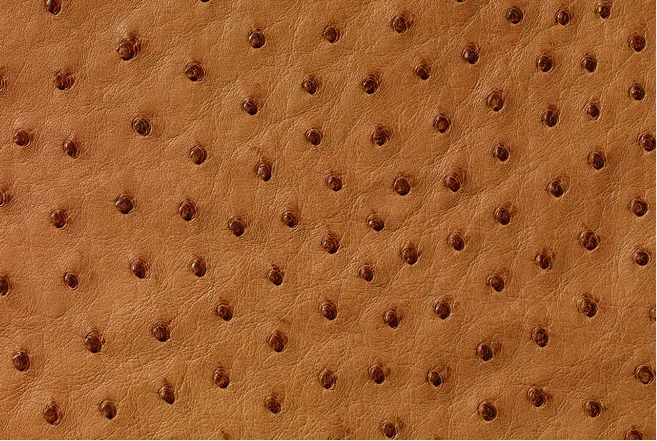
Ostrich Leather
6. Crocodile Leather
Overview: Among the most prestigious and expensive leathers in fashion, crocodile leather is prized for its bold rectangular scales and unmatched durability.
Texture & Feel: Stiff initially but softens with use, deep natural sheen.
Best For: Ultra-luxury handbags (Hermès, Louis Vuitton), belts, shoes.
Pros: Exceptionally durable, prestigious, and ages beautifully.
Cons: Extremely costly, requires expert care, and raises ethical sourcing concerns.
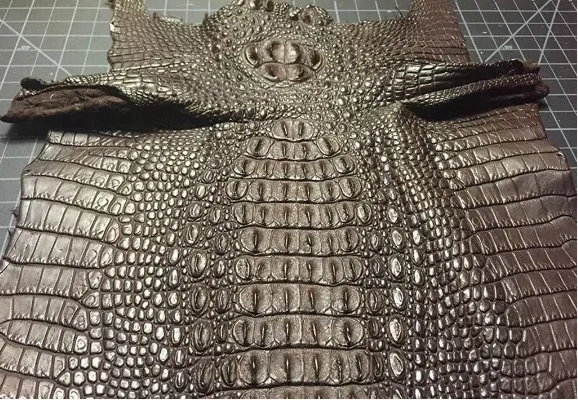
Crocodile Leather
7. Snakeskin
Overview: With its striking overlapping scales, snakeskin offers a bold, exotic look. However, it is thinner and more delicate than other exotic leathers.
Texture & Feel: Sleek, lightweight, flexible.
Best For: Fashion-forward handbags, clutches, and trim details.
Pros: Exotic, eye-catching, flexible.
Cons: Fragile, prone to peeling, high maintenance.
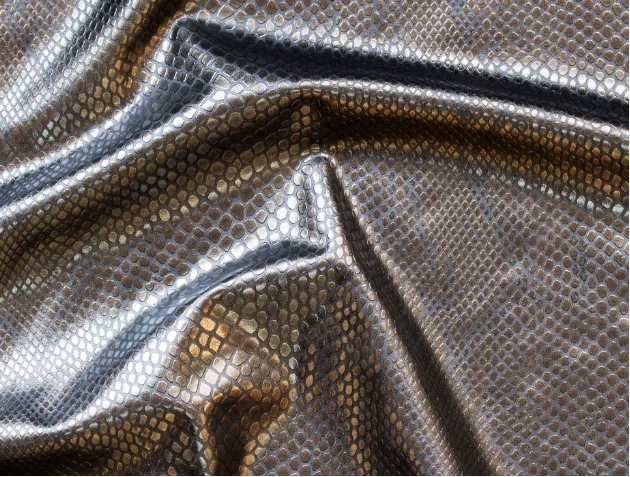
Snakeskin
8. Deerskin
Overview: Deerskin is known for its suede-like softness and comfort, making it ideal for accessories that require flexibility.
Texture & Feel: Soft, breathable, slightly stretchy.
Best For: Soft handbags, gloves, moccasins.
Pros: Ultra-soft, comfortable, lightweight.
Cons: Less durable, shows wear quickly.
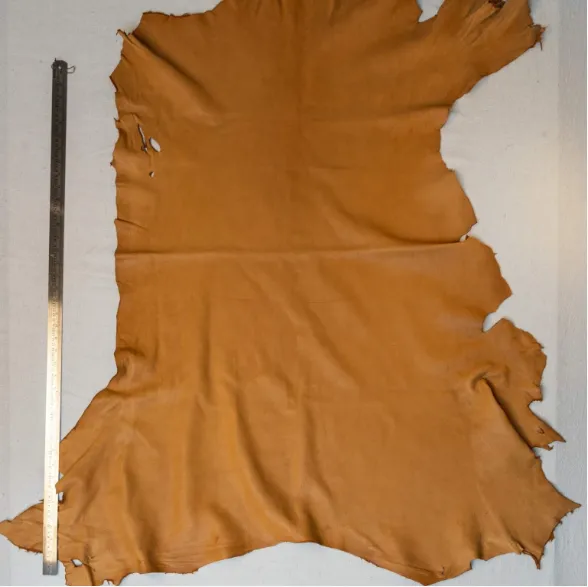
Deerskin
9. Synthetic Leather (Faux Leather / Vegan Leather)
Overview: Made from PU or PVC-coated fabrics, faux leather is an animal-free alternative often used in budget handbags.
Texture & Feel: Uniform surface, less breathable, artificial feel.
Best For: Affordable handbags, vegan fashion, and upholstery.
Pros: Affordable, easy to clean, cruelty-free.
Cons: Lacks durability, peels/cracks over time, less eco-friendly.
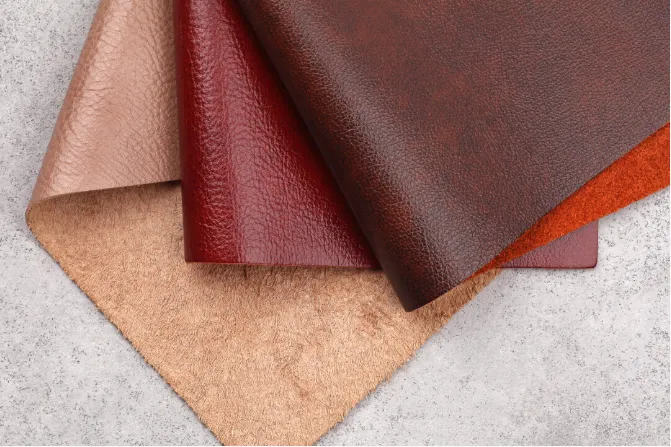
Synthetic Leather
Final Comparison: Which Leather Is Best for Handbags?
| Leather Type | Softness | Durability | Luxury Level | Best For |
|---|---|---|---|---|
| Full-Grain Cowhide | ★★★★☆ | ★★★★★ | ★★★★☆ | Everyday luxury bags |
| Split Leather | ★★☆☆☆ | ★★☆☆☆ | ★★☆☆☆ | Budget-friendly bags |
| Lambskin | ★★★★★ | ★★☆☆☆ | ★★★★★ | Designer handbags |
| Goatskin | ★★★☆☆ | ★★★★☆ | ★★★☆☆ | Rustic/vintage bags |
| Ostrich | ★★★★☆ | ★★★★☆ | ★★★★★ | Exotic statement pieces |
| Crocodile | ★★★☆☆ | ★★★★★ | ★★★★★ | Ultra-luxury bags |
| Snakeskin | ★★★☆☆ | ★★☆☆☆ | ★★★★☆ | Bold fashion accents |
| Deerskin | ★★★★★ | ★★☆☆☆ | ★★★★☆ | Soft handbags & gloves |
| Faux Leather | ★★☆☆☆ | ★☆☆☆☆ | ★☆☆☆☆ | Budget/vegan options |
Conclusion
When choosing the best leather for handbags, consider your budget, lifestyle, and personal style.
For durability & longevity: Full-grain cowhide, crocodile, ostrich
For softness & luxury feel: Lambskin, deerskin
For exotic appeal: Snakeskin, ostrich, crocodile
For affordability & vegan options: Split leather, faux leather
👉 Pro Tip: A high-quality full-grain leather bag may cost more upfront but lasts for decades, making it a better investment than replacing cheaper bags every year.
FAQ: Types of Leather Used in Handbags
Q1: What is the best leather for handbags overall?
Full-grain cowhide is widely considered the best overall choice because it offers the highest durability, natural texture, and develops a rich patina over time. It balances luxury, strength, and longevity.
Q2: Which leather is the most durable for everyday use?
Full-grain cowhide and crocodile leather are the most durable options. They resist wear well and maintain structure for years, even with frequent use.
Q3: What is the difference between full-grain and split leather?
Full-grain leather: Top layer of the hide, strong, breathable, ages beautifully
Split leather: Lower layer, often coated or embossed, less durable and more affordable
Q4: Is lambskin leather good for handbags?
Lambskin is extremely soft and luxurious but less durable. It is best suited for occasional use or fashion-forward bags rather than daily heavy-use handbags.
Q5: Why is crocodile leather so expensive?
Crocodile leather is rare, highly durable, and labor-intensive to process. Its distinctive scale pattern and luxury branding make it one of the most premium materials in the market.
Q6: Which leather is best for a soft handbag?
Lambskin and deerskin are the softest options. They offer a smooth, flexible feel but require more careful handling compared to tougher leathers.
Q7: Are exotic leathers like ostrich and snakeskin practical for daily use?
Ostrich leather is relatively durable and suitable for regular use, while snakeskin is more delicate and better reserved for fashion or occasional wear.