
Introduction: Why Textured/Embossed Leather Feels More Premium
Walk into a modern boardroom or upscale café, and you will notice something interesting: professionals no longer treat phone cases as disposable accessories.
Today, a phone case functions more like a visible extension of personal style.
Minimalist watches, tailored jackets, leather briefcases, and premium tech accessories all communicate subtle signals about taste and professionalism. A well-crafted leather phone case fits naturally into that ecosystem.
However, many conventional cases fail to deliver the right experience.
Silicone cases often yellow within months. Plastic shells scratch easily and feel generic. Even smooth leather, while elegant at first glance, tends to show fingernail marks, fingerprints, and wear surprisingly quickly.
That explains why more professionals now prefer textured/embossed leather finishes.
An embossed leather phone case combines refined craftsmanship, tactile depth, and long-term durability in a way that smooth materials rarely achieve. The texture creates a stronger grip, disguises minor scratches, and adds visual dimension without looking flashy.
For executives, designers, and premium brands, texture quietly communicates attention to detail.
And in luxury accessories, details matter.
What Is Embossed Leather?
Embossed leather refers to genuine leather that features permanently pressed patterns created through heat and hydraulic pressure.
Inside professional leather workshops, technicians place engraved steel plates onto carefully prepared hides and apply controlled temperature and pressure to reshape the surface texture.
This process creates recognizable patterns such as:
- Crocodile texture
- Pebbled grain
- Saffiano crosshatch
- Ostrich-inspired patterns
- Geometric embossing
- Artistic wave textures
Unlike printed synthetic surfaces, genuine embossed leather retains the flexibility and depth of real hide.
More importantly, the process completely changes the tactile experience.
When fingertips move across the raised grain, the leather creates subtle resistance and texture variation that smooth leather cannot replicate. Under shifting light, the surface develops layered reflections that make the product feel more architectural and refined.
Luxury fashion houses have relied on embossed finishes for decades because texture instantly increases perceived craftsmanship.
Prada popularized Saffiano leather for its sharp crosshatch structure. Exotic crocodile textures became symbols of executive luxury. Even minimalist leather brands increasingly use textured grain to add quiet visual complexity without excessive branding.
From a manufacturing perspective, embossing also improves practicality.
In our experience working with OEM and ODM projects, textured leather consistently performs better in long-term daily use because it hides friction marks, fingerprints, and minor scratches far more effectively than smooth leather.
Why Luxury Brands Prefer Textured Leather
Luxury products rarely depend on loud design.
Instead, they rely on:
- Material depth
- Tactile richness
- Subtle visual layering
- Craftsmanship details
Texture creates all four simultaneously.
When light moves across embossed leather, the raised grain produces soft contrast and dimension. This effect gives the surface a more premium appearance without requiring large logos or aggressive styling.
That explains why textured leather appears frequently in:
- Executive briefcases
- Luxury wallets
- Watch straps
- Automotive interiors
- Premium stationery
- Designer tech accessories
The appeal also feels psychological.
Smooth surfaces often look sterile or overly delicate. Textured leather feels grounded, confident, and durable. It creates the impression that the product belongs in everyday professional life rather than inside a display cabinet.
For many consumers, that balance between elegance and practicality defines modern luxury.
Popular Embossed Leather Textures
1. Crocodile Texture: Executive Presence
Few textures evoke a stronger sense of luxury than crocodile grain.
The bold scale pattern immediately recalls executive briefcases, bespoke footwear, and high-end leather goods.
Dark crocodile textures work especially well for:
- Business executives
- Formal corporate environments
- Luxury gifting programs
- Premium branding projects
In B2B gifting, crocodile-style leather accessories remain consistently popular because they look expensive without becoming overly flashy.
When placed beside a laptop, notebook, or tailored suit, the texture creates an understated “power aesthetic” that appeals strongly to professionals.
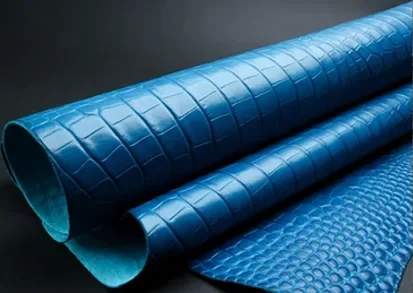
crocodile-embossed leather

Crocodile-embossed leather phone case
2. Pebbled Leather: The Most Versatile Choice
Pebbled leather remains one of the safest and most commercially successful textures in the leather industry.
Its natural grain pattern creates:
- Better scratch resistance
- Softer hand-feel
- Improved grip
- Excellent durability
Many OEM clients prefer pebbled grain for long-term projects because it generates fewer after-sales complaints related to visible wear.
Unlike smooth leather, pebbled surfaces continue looking clean even after months of daily handling.
For users who want a balance between elegance and practicality, pebbled leather often becomes the ideal choice.
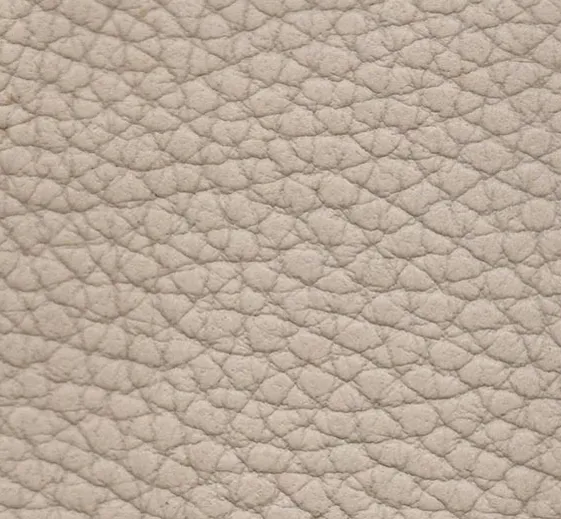
pebbled leather
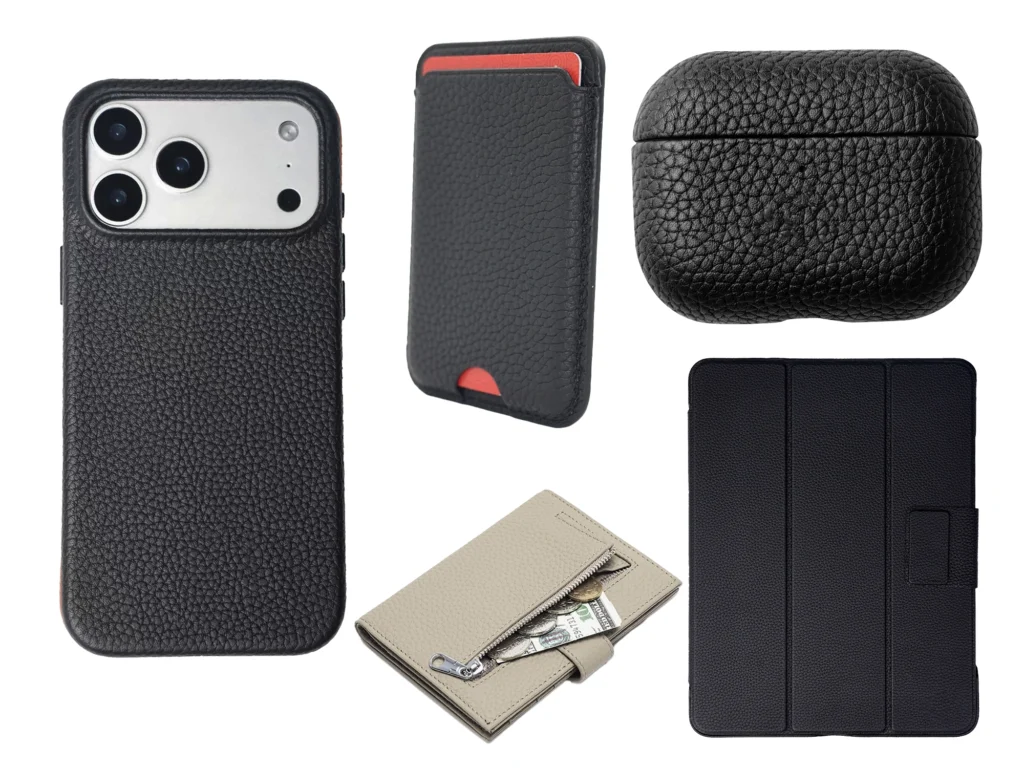
Pebbled leather accessories
3. Saffiano Leather: Minimalist Precision
Originally associated with Prada, Saffiano leather features a fine diagonal crosshatch pattern that looks sharp, structured, and modern.
The texture fits naturally into:
- Urban commuting
- Tech-focused lifestyles
- Minimalist fashion
- Professional office environments
Saffiano leather also offers excellent resistance to water and surface scratches, making it particularly useful for professionals who travel frequently.
Visually, it delivers a cleaner and more architectural appearance than softer leather grains.
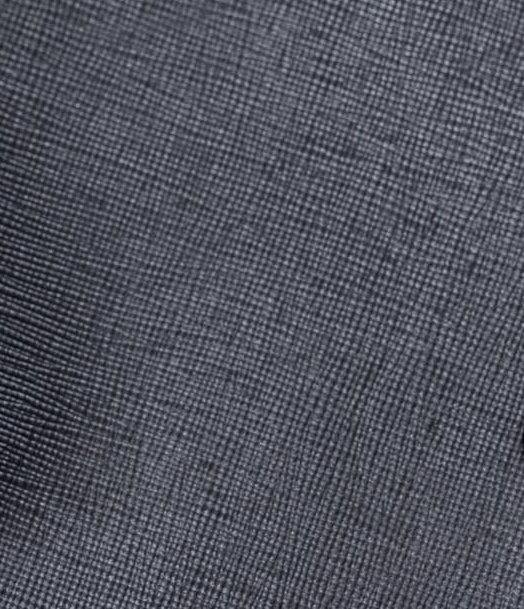
saffiano leather
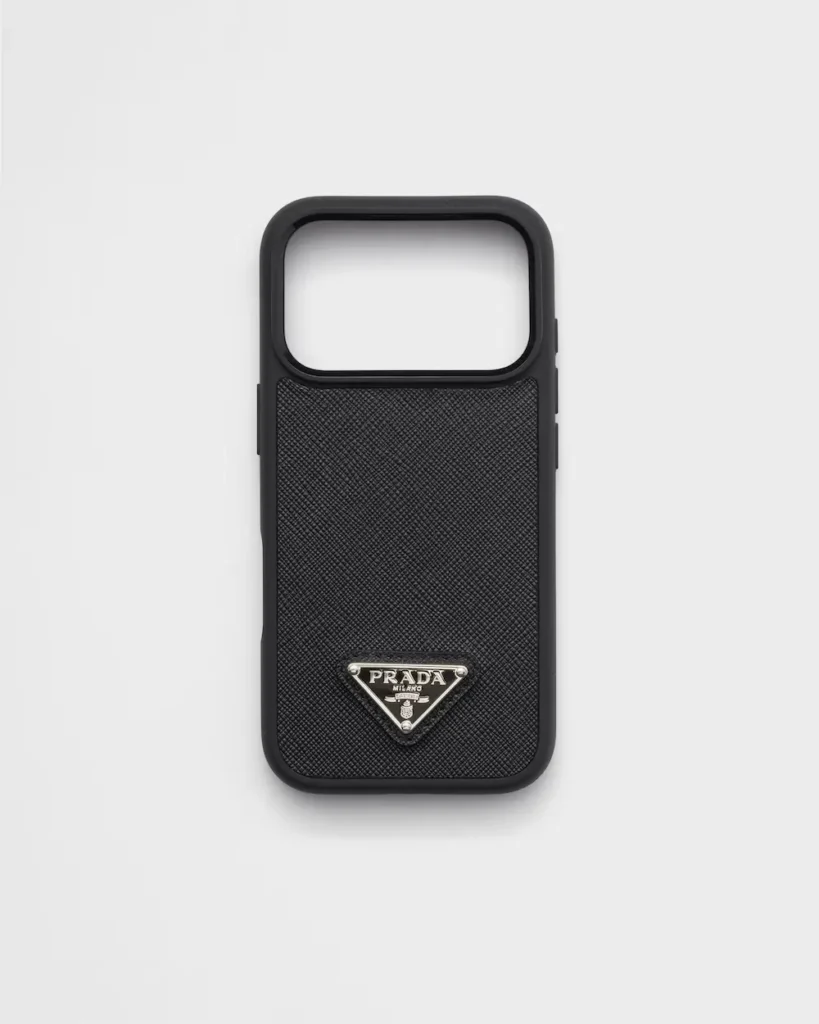
Prada saffiano phone case
4. Artistic and Exotic Textures
Modern embossing technology allows brands to explore more experimental finishes, including:
- Bark-inspired textures
- Abstract geometric embossing
- Water ripple patterns
- Hybrid artistic grains
These styles appeal strongly to younger consumers and fashion-forward brands looking for more individuality.
In recent years, many boutique leather brands have shifted toward custom embossing because consumers increasingly want products that feel unique rather than mass-produced.
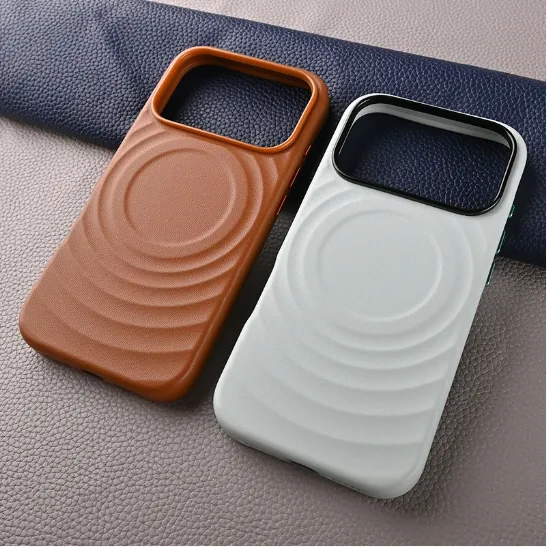
ripple leather phone case
Why Professionals Prefer Embossed Leather Phone Cases
1. Better Grip Throughout the Day
Most professionals handle their phones constantly.
During commuting, meetings, travel, or multitasking, slippery surfaces quickly become frustrating.
Embossed textures naturally increase friction without creating the sticky feel associated with rubber cases.
The raised grain provides subtle control against the fingertips, making one-handed use feel noticeably more secure.
This difference becomes especially obvious during long daily use.
2. Superior Resistance to Visible Wear
Smooth leather often develops visible scratches surprisingly fast.
Keys, fingernails, desk surfaces, and pocket friction all leave marks that stand out immediately on flat finishes.
Textured grain hides these imperfections much more effectively.
From a manufacturing standpoint, this represents one of the biggest reasons premium brands increasingly prefer embossed leather for everyday accessories.
Consumers want products that age gracefully rather than deteriorate visibly.
3. Stronger Visual Depth
Flat surfaces reflect light evenly.
Textured leather creates movement.
As lighting changes throughout the day, embossed grain develops subtle shadows and highlights that make the accessory feel more dynamic and luxurious.
This visual depth explains why many executives prefer textured leather in professional settings.
The effect feels refined rather than attention-seeking.
4. A More Defined Style Identity
Different textures communicate different personalities.
| Texture | Style Identity | Best Environment |
|---|---|---|
| Crocodile | Executive, bold, luxurious | Boardrooms, formal meetings |
| Pebbled | Understated, timeless | Daily office use |
| Saffiano | Modern, minimalist | Urban commuting |
| Artistic grain | Creative, fashion-forward | Design studios, creative industries |
In modern professional culture, small accessories often reveal personal attention to detail more effectively than large fashion statements.
Embossed Leather vs Smooth Leather
Which One Ages Better?
| Category | Embossed Leather | Smooth Leather |
|---|---|---|
| Visual depth | Layered and dimensional | Clean and natural |
| Grip | Strong | Slippery |
| Scratch visibility | Low | High |
| Daily maintenance | Easy | Demanding |
| Aging appearance | Controlled patina | Dramatic patina |
| Professional durability | Excellent | Moderate |
Smooth leather develops stronger natural patina over time, which appeals to leather purists.
Embossed leather focuses more on consistency, durability, and long-term visual stability.
For professionals who prioritize reliability and refined appearance, textured leather often performs better in daily environments.
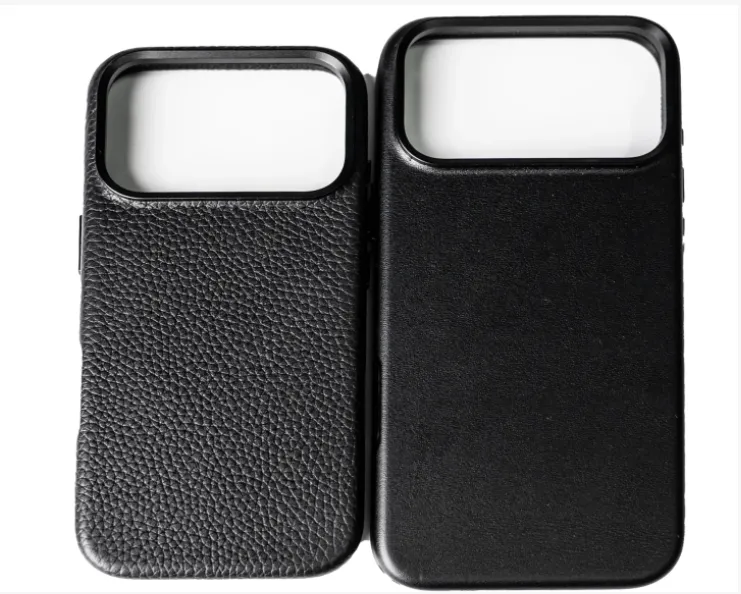
pebbled leather phone case vs smooth leather phone case
How to Choose a High-Quality Embossed Leather Phone Case
1. Choose Genuine Leather Instead of PU Leather
Many low-cost factories use polyurethane materials to imitate leather grain.
At first glance, synthetic embossing may look convincing. However, PU surfaces usually crack, peel, or flatten after extended use.
Real leather behaves differently.
Over time, genuine leather softens gradually while maintaining structural integrity.
One quick way to identify authentic leather involves examining the grain variation. Genuine leather never looks perfectly repetitive because natural hide contains subtle inconsistencies.
2. Examine the Embossing Depth
High-quality embossing requires extremely precise temperature control.
If the pressure remains too low, the pattern looks flat and fades faster. Excessive heat can damage leather fibers and reduce flexibility.
A premium textured case should display:
- Crisp grain definition
- Consistent pattern depth
- Natural transitions around edges
- Distinct tactile feedback
Experienced leather factories often spend years refining this balance.
For full-wrap phone cases, many manufacturers thin the leather to approximately 0.5mm so the material can wrap smoothly around corners without creating excess bulk. Small production details like this strongly influence final quality.
3. Inspect the Edge Finishing
Luxury leather products reveal their quality through finishing details.
Pay close attention to:
- Edge paint smoothness
- Camera cutout precision
- Button responsiveness
- Corner wrapping consistency
- Stitching alignment
In high-end leather manufacturing, edge finishing alone can require multiple hand-painted layers to achieve a perfectly sealed surface.
Consumers may not consciously notice these details at first, but they immediately influence how premium the product feels in hand.
How to Care for Textured/Embossed Leather Phone Cases
Daily Cleaning
Use a soft microfiber cloth to remove dust regularly.
Avoid:
- Alcohol-based cleaners
- Excessive water exposure
- Aggressive rubbing
Dust can settle inside deep embossing patterns over time, so gentle maintenance helps preserve the texture clarity.
Leather Conditioning
Apply a high-quality neutral leather conditioner every two to three months.
This helps maintain:
- Surface flexibility
- Softness
- Natural sheen
- Long-term durability
Conditioning also prevents leather from becoming dry in air-conditioned office environments.
Protect the Leather From Extreme Conditions
Although embossed leather handles daily wear well, extreme heat and humidity can still damage natural hide.
Whenever possible, avoid:
- Direct sunlight
- Hot car interiors
- Sharp metal objects
- Excessive moisture
Good leather develops character over time, but proper care helps that aging process remain elegant rather than damaged. For more details, please read our complete guide on how to maintain a leather phone case.
FAQ
Does embossed leather scratch easily?
Compared with smooth leather, textured grain hides minor scratches much more effectively. Small marks blend naturally into the pattern instead of standing out on a flat surface.
Is embossed leather real leather?
Yes. “Embossed” describes the surface treatment rather than the material itself. High-quality embossed products use genuine top-grain or full-grain leather.
Why do luxury brands use textured leather?
Texture creates stronger visual depth, improves durability, and enhances tactile richness. It also helps luxury products maintain a cleaner appearance during long-term use.
Is embossed leather good for corporate gifts?
Absolutely.
Textured leather looks premium, resists wear, and remains visually appealing for longer periods. For corporate gifting, that means stronger perceived value and longer brand visibility.
Final Thoughts
A premium leather phone case does far more than protect a device.
It shapes daily experience.
The texture affects grip. The craftsmanship changes how the product feels in the hand. The material influences how it integrates into professional environments and personal style.
In a market flooded with mass-produced plastic accessories, textured leather offers something increasingly rare: depth, character, and lasting tactile satisfaction.
Whether someone prefers the executive confidence of crocodile grain, the versatility of pebbled leather, or the minimalist sharpness of Saffiano texture, embossed leather brings together practicality and understated luxury in a way few modern materials can match.
And in professional life, understated details often leave the strongest impression.
Looking for a reliable OEM/ODM partner for your next luxury phone case line? Contact Pellove today to request a sample box
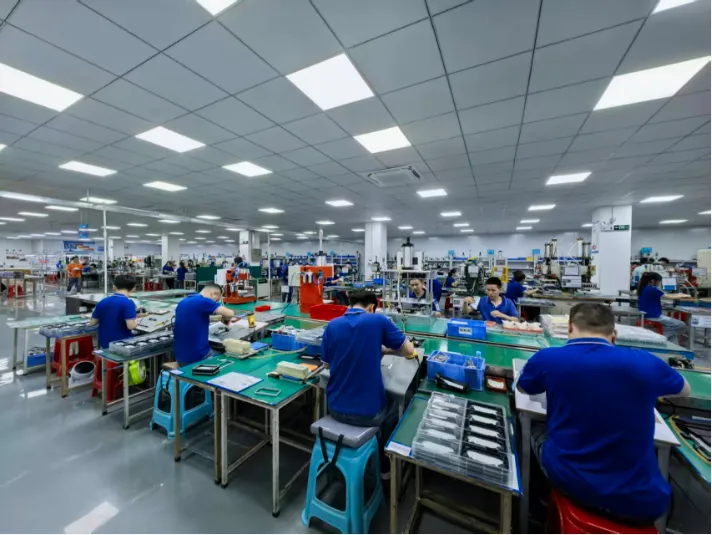
One of our workshops