
Leather Logo Customization: Debossing, Raised Embossing, Hot Stamping, and Laser Engraving
Leather logo customization looks simple from the outside. A buyer sends a logo file, the factory puts it on a phone case or wallet, and the sample is approved.
In real OEM production, it is not that simple.
The logo method affects cost, MOQ, durability, leather feel, sample approval, and batch consistency. A logo may look beautiful on a first sample but peel after friction, become too shallow in mass production, burn unevenly on laser engraving, or feel uncomfortable in hand if placed in the wrong area.
For most leather goods, debossing is the safest and most common logo method. Raised embossing looks more premium but is harder and usually more expensive. Hot stamping creates strong visual contrast, especially for gifts and packaging. Laser engraving is flexible for personalization and small batches, but the burned effect does not fit every leather product.
If you are developing custom leather phone cases, leather wallets, card holders, AirPods cases, or corporate gift sets, the logo process should be chosen based on leather type, logo size, product structure, friction area, and target customer.
Which Logo Method Should You Choose?
If you want the safest option for daily leather goods, choose debossing.
If you want a raised 3D logo and can accept higher mold cost and higher sample risk, choose raised embossing.
If you want gold, silver, black, or colored logo effects for gift products, choose hot stamping.
If you need names, serial numbers, small-batch personalization, or fast logo testing without a traditional mold, choose laser engraving.
| Logo Method | Best For | Cost Level | Difficulty | Main Risk |
|---|---|---|---|---|
| Debossing | Most leather goods | Low to medium | Low | Logo may be too shallow |
| Raised embossing | Premium gifts, bold logos | High | High | Fine details may fail |
| Hot stamping | Gifts, fashion, packaging | Medium | Medium | Foil may peel or fade |
| Laser engraving | Personalization, small batches | Low to medium | Medium | Burn color may look uneven |
A useful rule:
Debossing is the safest.
Raised embossing is the hardest.
Hot stamping is the most visible.
Laser engraving is the most flexible.
Why Logo Customization Matters More Than Before
Logo customization is becoming more important because personalized and branded products are growing.
According to  Arizton, the U.S. personalized gifts market is expected to grow from USD 9.69 billion in 2024 to USD 14.56 billion by 2030, with a CAGR of 7.03%.
This matters for leather goods buyers because logo craftsmanship is often the first visible sign of customization. A good logo makes a product feel like a brand item. A poor logo makes even good leather look like a low-end wholesale product.
Laser customization is also growing. Grand View Research reports that the global marking and engraving segment of the laser processing market was valued at USD 4,445.7 million in 2024 and is expected to grow at a CAGR of 8.7% from 2024 to 2030.
This does not mean laser engraving is always the best choice for leather. It means buyers are asking for faster, more flexible, and more personalized marking options. Leather goods manufacturers need to offer several logo methods instead of relying on one process for every project.
Important Note: Confirm the Visual Effect, Not Just the Process Name
Different factories may use the terms embossing and debossing differently. Some suppliers use “embossing” to describe any pressed logo, even when the final effect is actually sunken.
In this article:
- Debossing = sunken logo pressed into leather
- Raised embossing = raised 3D logo
- Hot stamping = foil logo transferred with heat and pressure
- Laser engraving = laser-burned or laser-etched logo
For OEM projects, do not approve a logo method only by name. Approve it by sample photo, physical sample, logo depth, hand feel, and leather compatibility.
1. Debossing: The Most Common Leather Logo Method
Debossing presses the logo into the leather surface. It creates a sunken mark without foil, ink, or extra coating.
This is the most common logo process for leather goods because it is stable, clean, durable, and relatively easy to control in mass production.
Why Buyers Choose Debossing
Debossing fits leather naturally. It does not cover the grain, and it does not create a raised surface that affects hand feel.
It works well for:
- Slim leather phone cases
- Leather wallets
- Card holders
- AirPods leather cases
- Business gifts
- Minimalist leather accessories
For a vegetable-tanned leather phone case, debossing can age together with the leather. As the leather develops patina, the logo becomes more integrated instead of peeling or fading.
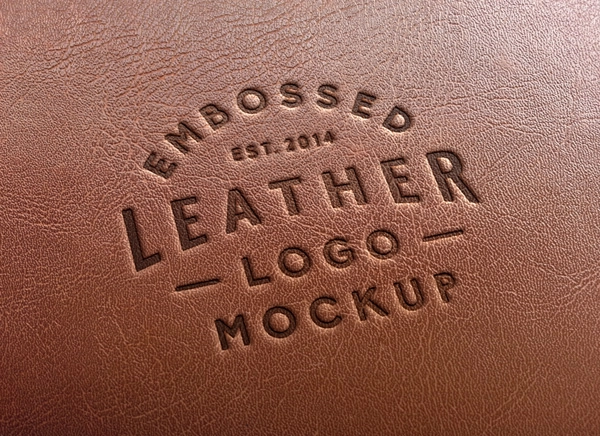
Debossed Logo
Debossing Advantages
- Most common leather logo method
- Stable for batch production
- Lower difficulty than raised embossing
- Good durability
- Smooth hand feel
- Works well on full-grain and top-grain leather
- Suitable for premium daily-use leather goods
Debossing Risks
Debossing is easy compared with raised embossing, but it still needs control.
Common problems include:
- Logo too shallow
- Uneven depth
- Blurry edges
- Leather hardening
- Wrinkling around the logo
- Color darkening beyond the approved sample
The most important factor is pressure control. If the pressure is too light, the logo disappears visually. If it is too heavy, the leather may become hard or damaged.
2. Raised Embossing: Premium but Harder and More Expensive
Raised embossing creates a raised 3D logo on the leather surface. Compared with debossing, it is more difficult because the leather must be shaped upward instead of simply pressed downward.
This usually requires more precise mold design, better leather thickness control, and more sample testing.
That is why raised embossing normally has higher mold cost, higher sample risk, and stricter material requirements.
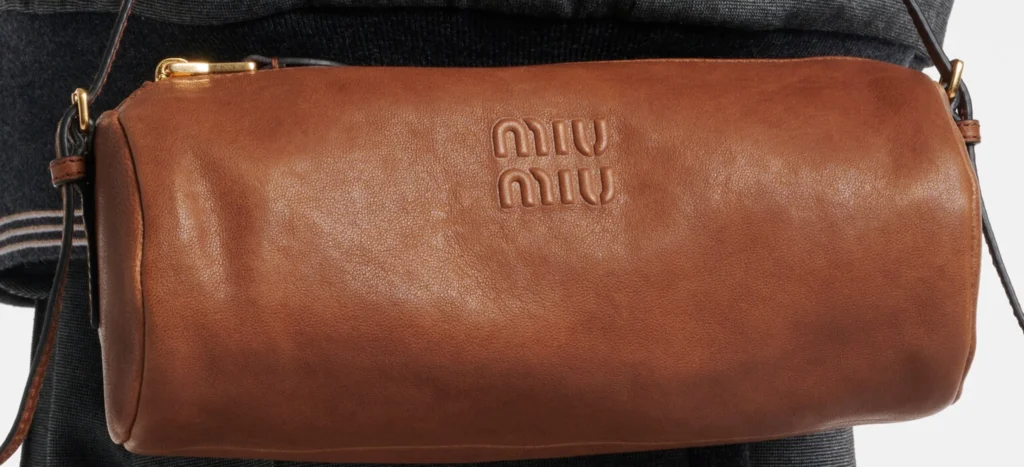
embossed logo
Why Brands Choose Raised Embossing
Raised embossing gives the logo a stronger tactile effect. The logo is not only visible but touchable.
It works well for:
- Premium gift sets
- Luxury leather accessories
- Large monograms
- Simple brand symbols
- Corporate gift products
- Packaging decoration
Raised embossing can make a product feel more expensive, especially when the logo is simple and the leather has enough thickness.
Why Raised Embossing Is Difficult
Raised embossing needs the leather to hold a raised shape. If the leather is too thin, the effect may be weak. If the leather is too hard, the logo may not form cleanly. If the logo lines are too fine, the raised details may disappear.
Common risks include:
- Weak raised height
- Uneven logo shape
- Fine lines disappearing
- Leather cracking around the logo
- Uncomfortable hand feel
- Higher mold cost
- Longer sample revision time
For slim leather phone cases, a large raised logo may also feel uncomfortable because users hold the case every day. In many phone case projects, debossing is more practical than raised embossing.
Raised embossing is not wrong. It simply needs the right leather, the right logo, and the right product area.
3. Hot Stamping: Shiny, Visible, and Gift-Ready
Hot stamping uses heat and pressure to transfer foil onto the leather surface. Common foil colors include gold, silver, rose gold, black, white, and custom brand colors.
BOBST explains that hot foil stamping uses a heated die to press foil onto a substrate, supported by a counterplate or counter cylinder. You can read their process explanation here: BOBST hot foil stamping process.
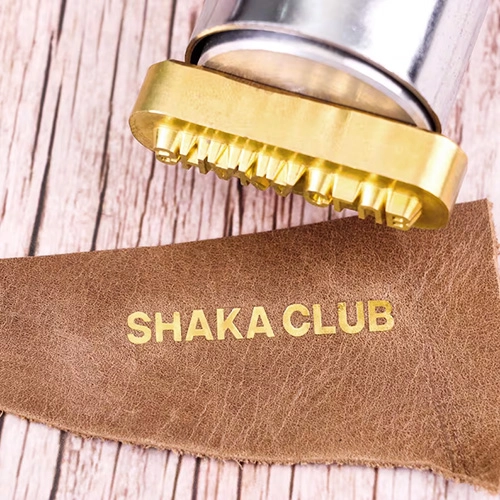
Hot stamping logo
Why Buyers Choose Hot Stamping
Hot stamping is useful when the logo needs to be highly visible.
It works well for:
- Holiday gift products
- Fashion leather goods
- Corporate gifts
- Packaging
- Limited editions
- Inner wallet logos
- Brand color customization
A gold foil logo on black leather can immediately look gift-ready. A silver logo on navy leather can feel modern. A black foil logo on tan leather can create a quieter but still visible brand mark.
Hot Stamping Risks
Hot stamping is a surface process. The foil sits on top of the leather, so friction is the main risk.
It may fail on:
- Phone case corners
- Wallet fold lines
- Card slot openings
- High-touch back panels
- Areas rubbed by pockets or bags
A foil supplier guide from Lihyang notes that hot stamping adhesion problems are often caused by substrate choice or process parameter mismatch rather than the foil alone. Their guide explains that textured leather and rough surfaces may require different pressure or stamping conditions: Hot Stamping Foil Selection by Substrate.
This is important for leather goods buyers. If hot stamping fails, the cause may not be “bad foil.” It may be the wrong leather surface, wrong pressure, wrong temperature, wrong dwell time, or wrong logo placement.
Common hot stamping defects include:
- Missing foil
- Uneven color
- Edge peeling
- Foil cracking
- Excess foil transfer
- Poor adhesion on oily or textured leather
Hot stamping is beautiful, but it should be tested before mass production.
4. Laser Engraving: Fast and Flexible, but Not Always Premium
Laser engraving uses a laser beam to burn or etch the leather surface. It does not require a traditional metal logo mold, which makes it useful for small batches, personalization, names, serial numbers, and fast sample testing.
xTool’s leather engraving guide explains that leather engraving requires the laser to process the surface material and that settings such as power, speed, air assist, and material type affect the final result. Their support article can be referenced here: xTool Leather Engraving Operation Guide.
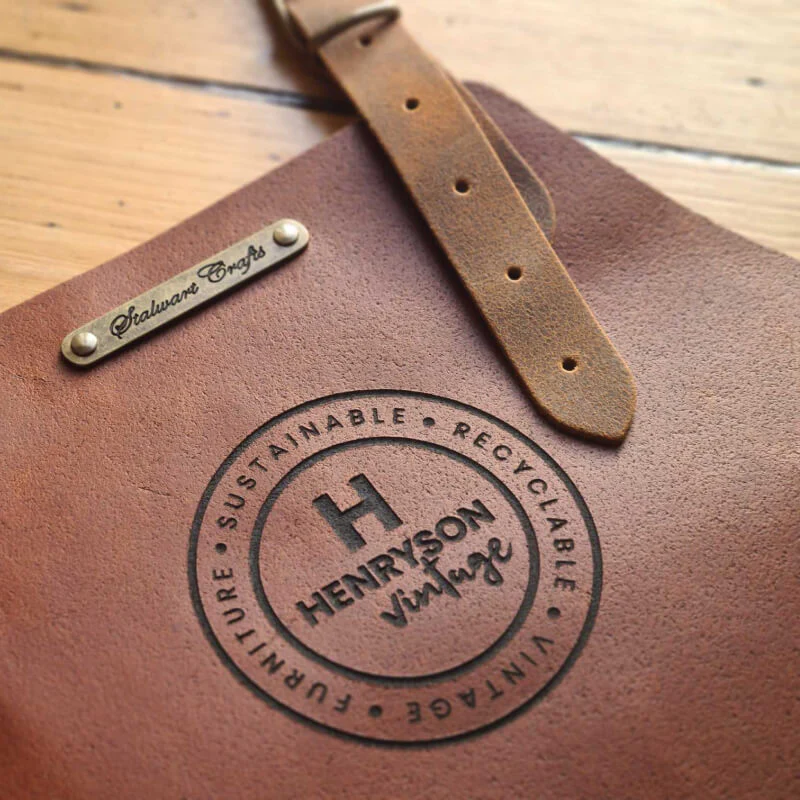
Laser Engraving on leather
Why Buyers Choose Laser Engraving
Laser engraving is useful when buyers need:
- Small-batch customization
- Personalized names
- Serial numbers
- Event gifts
- Fast logo samples
- No traditional mold cost
- Variable designs
For example, if a corporate customer wants each leather card holder to carry a different employee name, laser engraving is much more flexible than debossing or hot stamping.
Laser Engraving Risks
Laser engraving creates a burned or etched mark. That means the result depends strongly on leather color, finish, coating, and laser settings.
Common risks include:
- Burn marks too dark
- Uneven engraving color
- Burn smell
- Surface coating damage
- Weak contrast on dark leather
- Sticky residue on some synthetic materials
- Poor result on heavily coated PU
xTool also notes in its leather laser processing guide that air assist can help blow away smoke and dust during engraving and cutting. This matters because smoke residue can affect the cleanliness of the leather surface: Beginner’s Guide to Leather Laser Processing.
Laser engraving is practical, but it does not always match luxury leather positioning. For premium leather phone cases and wallets, debossing often looks more natural. For personalization and small-batch projects, laser engraving is often more efficient.
Material Compatibility Table
| Material | Debossing | Raised Embossing | Hot Stamping | Laser Engraving |
|---|---|---|---|---|
| Full-grain leather | Excellent | Good | Medium | Medium |
| Top-grain leather | Excellent | Good | Good | Good |
| Vegetable-tanned leather | Excellent | Good | Medium | Good |
| Oil-wax leather | Good | Medium | Risky | Medium |
| PU leather | Medium | Weak | Good | Risky |
| Vegan leather | Depends on grade | Weak to medium | Good | Depends on coating |
| Suede / nubuck | Weak | Weak | Risky | Medium |
For buyers comparing materials, Pellove’s leather types guide can help clarify material differences before choosing a logo process.
Full-Grain and Top-Grain Leather
Full-grain and top-grain leather are usually best for debossing. They hold a pressed logo well and age naturally.
Raised embossing can also work, but the logo should be simple and the leather must have enough body.
Vegetable-Tanned Leather
Vegetable-tanned leather is excellent for debossing and laser engraving. It responds well to pressure and develops patina over time.
This makes it suitable for premium wallets, phone cases, notebook covers, and custom gift items.
Oil-Wax Leather
Oil-wax leather has a rich surface, but its oil and wax content can make hot stamping less stable. Foil adhesion should be tested before production.
An oil wax leather phone case usually works better with debossing than with hot stamping for daily-use products.
Logo Size and Position Matter
Even the right process can fail if the logo is too small, too detailed, or placed in the wrong area.
| Logo Type | Best Method | Reason |
|---|---|---|
| Small text | Debossing or hot stamping | Better detail clarity |
| Thin-line logo | Debossing or hot stamping | Raised embossing may lose detail |
| Large monogram | Debossing or raised embossing | Strong visual and tactile effect |
| Metallic logo | Hot stamping | Best contrast |
| Personalized name | Laser engraving | No mold needed |
| Serial number | Laser engraving | Easy variable customization |
| Minimalist brand mark | Debossing | Clean and durable |
| Gift logo | Hot stamping or raised embossing | More ceremonial effect |
For leather phone cases, avoid placing foil logos or raised logos on high-friction corners. For wallets, avoid hot stamping on fold lines or card slot openings.
A beautiful logo in the wrong position can still become a complaint.
Buyer Scenarios: Which Process Fits Your Project?
Startup Brand
Best choice: Debossing
Why:
- Lower risk
- Easier sample approval
- Better durability
- Good for small to medium MOQ
- Works on most leather goods
Laser engraving can be added for personalized names or small-batch testing.
Premium Leather Brand
Best choice: Debossing + selective raised embossing
Why:
- Debossing keeps the leather natural
- Raised embossing adds premium texture when used carefully
- Hot stamping may feel too decorative for minimalist brands
Corporate Gift Buyer
Best choice: Hot stamping or laser engraving
Why:
- Logo visibility matters
- Gold or silver foil feels gift-ready
- Laser engraving supports names, event text, or serial numbers
Fashion Accessory Brand
Best choice: Hot stamping
Why:
- Metallic logos photograph well
- Foil colors support seasonal collections
- Shiny details help product pages stand out
However, the logo should stay away from high-friction areas.
Common Logo Customization Mistakes
Mistake 1: Choosing Raised Embossing for a Tiny Logo
Raised embossing is not ideal for very small text or thin lines. The leather needs enough area to form a raised shape.
Better solution:
Use debossing or hot stamping.
Mistake 2: Using Hot Stamping on Phone Case Corners
Foil can fade quickly if placed in a high-friction area.
Better solution:
Use debossing on the case exterior and hot stamping on packaging or inner details.
Mistake 3: Ignoring Leather Surface Finish
Oil-wax leather, coated leather, PU, and vegan leather all react differently to heat, pressure, and laser.
Better solution:
Test the logo process on the actual production leather.
Mistake 4: Approving Only Digital Mockups
A digital logo mockup cannot show depth, foil adhesion, leather darkening, hand feel, or laser burn color.
Better solution:
Always approve a physical logo sample before mass production.
Pellove Logo Evaluation Process
For OEM projects, Pellove can help buyers evaluate the logo before opening molds or confirming production.
A practical process includes:
Send your logo file
AI, PDF, SVG, or high-resolution PNG files are preferred.Confirm product type
Leather phone case, wallet, card holder, AirPods case, packaging, or gift set.Confirm leather material
Full-grain, top-grain, vegetable-tanned, oil-wax, PU, or vegan leather.Check logo size and line width
Fine lines may not work for raised embossing.Choose logo process
Debossing, raised embossing, hot stamping, laser engraving, or combined process.Make sample swatches
Compare depth, color, foil adhesion, laser burn effect, and hand feel.Approve golden sample
Use this as the production reference.
Recommended Process by Product Type
| Product Type | Best Logo Method | Why |
|---|---|---|
| Slim leather phone case | Debossing | Smooth hand feel and long durability |
| Wallet phone case | Debossing + inner hot stamping | Durable outside, decorative inside |
| Leather wallet | Debossing or hot stamping | Depends on brand style |
| Card holder | Debossing or laser engraving | Good for daily use or personalization |
| Leather AirPods case | Debossing | Small surface, clean result |
| Gift packaging | Hot stamping | Strong retail impact |
| Corporate gifts | Hot stamping or laser engraving | Clear logo or personalized names |
| Luxury gift set | Raised embossing or hot stamping | More ceremonial effect |
For a leather wallet phone case, one practical solution is debossing on the outer leather and hot stamping on the inside or packaging. This keeps the outside durable while still giving the product a refined gift detail.
Send Your Logo for Evaluation
If you are not sure which logo process fits your leather product, send your logo file to Pellove for evaluation.
Pellove can help check:
- Suitable logo method
- Minimum line width
- Logo size and position
- Leather compatibility
- Mold requirements
- Hot stamping foil color
- Laser engraving effect
- Sample cost and MOQ
- Packaging logo options
You can request sample swatches, compare debossing, raised embossing, hot stamping, and laser engraving effects, and choose the most suitable process before mass production.
Conclusion
Leather logo customization is not just about putting a mark on a product. It is about matching the logo process with the leather, product structure, user habit, and brand positioning.
Debossing is the most common and safest method for most leather goods. It is clean, durable, and suitable for daily-use products.
Raised embossing gives a stronger 3D effect, but it is harder, more expensive, and more selective about logo design and leather thickness.
Hot stamping creates the strongest visual impact, especially for gift and fashion products, but foil should be tested carefully in high-friction areas.
Laser engraving is fast and flexible, making it useful for personalization, serial numbers, small batches, and fast sampling, but its burned effect does not fit every premium leather style.
For OEM buyers, the best logo method is not the most expensive one. It is the one that still looks right after real use.
FAQ
What is the most common logo method for leather goods?
Debossing is the most common logo method for leather goods because it is stable, durable, clean, and suitable for mass production.
Is raised embossing more expensive than debossing?
Yes. Raised embossing is usually harder and more expensive because it needs more precise mold design, better leather control, and more sample testing.
Is hot stamping durable on leather?
Hot stamping can be durable in low-friction areas, but foil may fade or peel on corners, fold lines, and high-touch areas. Rubbing tests are recommended before mass production.
Can leather be laser engraved?
Yes. Laser engraving can be used on many leather materials, especially for personalization, names, serial numbers, and small-batch customization. However, the result depends on leather color and surface coating.
Which logo method is best for leather phone cases?
Debossing is usually the best choice for leather phone cases because it is smooth, durable, and comfortable in hand. Hot stamping can be used for packaging or inner details.
Which logo method is best for luxury leather goods?
Debossing is best for subtle luxury. Raised embossing is suitable for bold premium logos or gift products. Hot stamping works well for decorative luxury packaging.
Does hot stamping affect leather patina?
Yes. The foil-covered area does not age like exposed leather, so hot stamping may interrupt natural patina development.
Do all logo methods require a mold?
Debossing, raised embossing, and hot stamping usually require a mold or stamping die. Laser engraving does not require a traditional logo mold, which makes it more flexible for small batches.