
Launching a private label leather accessories line is one of the most practical ways for retailers, e-commerce sellers, and startup brands to build long-term brand value. Instead of reselling generic no-logo products, you can create a focused collection with your own logo, packaging, leather material, product story, and customer experience.
The best way to start is simple: choose a clear niche, launch a lean product range, use stable materials, confirm samples before production, and work with an OEM manufacturer that understands leather quality control.
Private label leather goods do not need to begin with 30 SKUs, expensive molds, or a full design team. In fact, most successful first collections are small. They usually start with several high-demand products such as leather phone cases, card holders, wallets, AirPods cases, or watch straps, then expand after real customer feedback.
The real goal is not to make everything.
The goal is to make the right first products well.
Private Label Leather Accessories Roadmap
If you want the short version, here is the practical roadmap:
| Step | What to Decide | Why It Matters |
|---|---|---|
| 1. Niche | Business, luxury, eco, tech, gift, travel | Prevents a confusing product line |
| 2. Product mix | Start with 4-6 SKUs | Reduces MOQ and inventory risk |
| 3. Materials | Full-grain, top-grain, vegan, PU | Controls price, quality, and complaints |
| 4. Logo craft | Debossing, embossing, hot stamping, laser | Builds brand identity |
| 5. Sampling | Structure sample, leather sample, final sample | Prevents costly bulk mistakes |
| 6. MOQ & cost | Product, logo, packaging, mold, shipping | Protects margin |
| 7. QC | Material, process, final inspection | Keeps batch quality stable |
| 8. Packaging | Box, care card, hang tag, insert | Improves perceived value |
| 9. Launch | Test feedback, reviews, repeat orders | Helps you scale safely |
A useful rule:
Start narrow, test fast, improve the winners.
Why Private Label Leather Accessories Are Worth Building
Private label is no longer only about cheap alternatives. It has become a serious brand strategy.
According to Axios, U.S. private-label sales reached about USD 330 billion in 2025 and accounted for roughly one-quarter of the market, based on Circana data. That matters because consumers are no longer rejecting private-label products as “generic.” They are increasingly willing to buy private brands when the quality, packaging, and value feel right.
Leather accessories fit this trend well.
The global leather goods market was valued at USD 266.82 billion in 2024 and is projected by Grand View Research to reach USD 538.23 billion by 2033, growing at a CAGR of 8.4% from 2025 to 2033. The same report notes that genuine leather held 54.3% of the market in 2024, while vegan leather is projected to grow faster at a 10.2% CAGR.
For buyers, this shows two things.
First, genuine leather still carries strong premium value. Second, vegan leather is becoming more important for brands targeting sustainability-focused customers. A good private label line can use both directions, as long as the positioning is clear.
Phone accessories are also a strong entry category. Grand View Research reports that the global mobile phone protective covers market was valued at USD 25.51 billion in 2024 and is expected to reach USD 53.33 billion by 2033, with an 8.6% CAGR. The report also highlights ecosystem-integrated covers such as MagSafe-compatible cases and modular wallet systems.
That is why leather phone cases, MagSafe wallets, card holders, and small leather tech accessories are good private label starting points. They combine daily use, gifting value, repeat purchase potential, and visible branding.
Step 1: Define Your Niche Before Choosing Products
The biggest mistake new brands make is trying to launch “all kinds of leather goods” at once.
A private label line needs a clear customer before it needs a catalog.
Ask these questions first:
- Who is the buyer?
- What price range do they accept?
- Do they care more about luxury, function, sustainability, or gift value?
- Will they buy on Amazon, Shopify, offline retail, or through corporate sourcing?
- Do they want minimal branding or visible logo design?
- Are they buying for themselves or as gifts?
Common Private Label Niches
| Niche | Target Buyer | Product Direction |
|---|---|---|
| Business minimalist | Office users, professionals | Slim phone cases, card holders, short wallets |
| Luxury vintage | Leather lovers, premium buyers | Full-grain leather, patina, subtle debossed logos |
| Eco-friendly vegan | Sustainability-focused customers | Premium vegan leather, recycled packaging |
| Tech accessories | iPhone, AirPods, iPad users | MagSafe leather cases, AirPods cases, watch straps |
| Corporate gifts | Companies and event buyers | Logo customization, gift boxes, care cards |
| Travel essentials | Travelers and gift buyers | Passport holders, luggage tags, organizers |
For example, a business minimalist brand should not start with large decorative handbags, colorful foil logos, and oversized packaging. It should focus on slim shapes, clean leather, subtle debossing, and daily carry products.
A luxury vintage brand may do the opposite. It can use full-grain leather, oil-wax leather, visible patina education, and more emotional product storytelling.
The product line should feel like one brand, not a collection of random factory samples.
Step 2: Build a Lean First Product Line
For a first private label project, do not launch too many SKUs.
A good starter line usually contains 4-6 products. This keeps MOQ manageable, reduces inventory risk, and helps you understand which products customers actually want.
Recommended Starter Collection
| Product Type | Role in the Line | Why It Works |
|---|---|---|
| Slim leather phone case | Core bestseller | Daily use, strong repeat demand |
| Leather wallet phone case | Functional SKU | Good for business and mature users |
| Card holder | Entry product | Lower price, easy gifting |
| Leather AirPods case | Tech add-on | Small, giftable, good bundle item |
| Leather watch strap | Margin product | Good for loyal customers |
| Limited gift item | Seasonal SKU | Useful for holiday campaigns |
This kind of product mix works for Amazon, Shopify, boutique retail, and corporate gift programs.
If your brand is tech-focused, start with phone cases, AirPods cases, MagSafe wallets, and watch straps. If your brand is travel-focused, start with passport holders, luggage tags, card holders, and small organizers.
Pellove’s custom leather phone cases can be used as a starting point for tech-focused private label lines, while products such as a leather wallet phone case can support business or functional collections.
Step 3: Choose Leather Materials by Price Tier
Material selection is one of the most important decisions in private label leather goods.
It affects:
- Retail price
- Hand feel
- Durability
- Patina
- Complaint rate
- Brand positioning
- MOQ
- Production consistency
Main Material Options
| Material | Best For | Strength | Main Risk |
|---|---|---|---|
| Full-grain leather | Luxury lines | Natural grain, strong patina, premium feel | Higher cost, natural marks |
| Top-grain leather | Mid-premium lines | Stable surface, good durability, easier QC | Less dramatic patina than full-grain |
| Oil-wax leather | Vintage lines | Rich hand feel, strong aging character | Color variation and scratch complaints |
| Premium vegan leather | Eco lines | Animal-free, consistent surface | Quality varies by grade |
| PU leather | Budget lines | Low cost, many colors | Peeling and shorter lifespan |
For buyers still comparing materials, Pellove’s leather types guide can support the decision before sampling.
Practical Material Strategy
For a first private label line, top-grain leather is often the safest choice. It gives a premium feel, stable surface, and better batch consistency than highly variable natural leather.
Full-grain leather is better for brands that want a stronger leather story and can educate customers about natural marks, scratches, and patina.
A vegetable-tanned leather phone case is a strong option for brands that want visible aging and premium storytelling. However, the product page should explain that the leather will darken and develop patina over time.
Vegan leather works best when the brand has a clear sustainability angle. Do not use “vegan” only as a trend word. Buyers should confirm abrasion resistance, hydrolysis resistance, color fastness, and peeling risk before mass production.
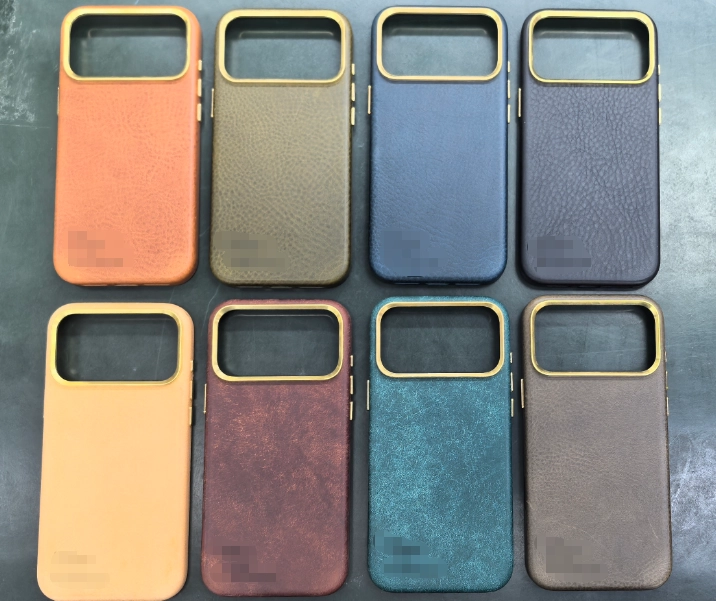
vegetable-tanned leather phone case
Step 4: Match Product Structure to Use Case
The outer leather is only one part of the product. The internal structure decides how the accessory performs in daily use.
For leather phone cases, confirm:
- PC or TPU shell material
- MagSafe magnet layout
- Camera ring height
- Button feedback
- Camera Control cutout or covered button
- Microfiber lining
- Corner protection
- USB-C port opening
For wallets and card holders, confirm:
- Card slot tightness
- Stitching density
- Edge painting
- Lining material
- Leather thickness
- Fold resistance
- Cash pocket structure
For foldable phone cases, confirm:
- Hinge clearance
- Flexible zone material
- Folding fatigue
- Leather skiving thickness
- Bonding strength
This is where many private label projects fail. The buyer chooses a nice leather and logo, but ignores the structure.
A beautiful leather case with poor button feel, weak MagSafe, tight USB-C opening, or fast corner wear will still create bad reviews.
Step 5: Choose the Right Logo Craft
Logo customization is the core of private label branding. It turns a factory product into your product.
The main leather logo methods are:
- Debossing
- Raised embossing
- Hot stamping
- Laser engraving
Logo Craft Comparison
| Logo Method | Best For | Cost / Difficulty | Main Risk |
|---|---|---|---|
| Debossing | Most leather goods | Low to medium | Logo may be too shallow |
| Raised embossing | Premium gift products | High | Fine details may fail |
| Hot stamping | Gifts, fashion, packaging | Medium | Foil may peel with friction |
| Laser engraving | Personalization, small batches | Low to medium | Burn effect may not suit luxury leather |
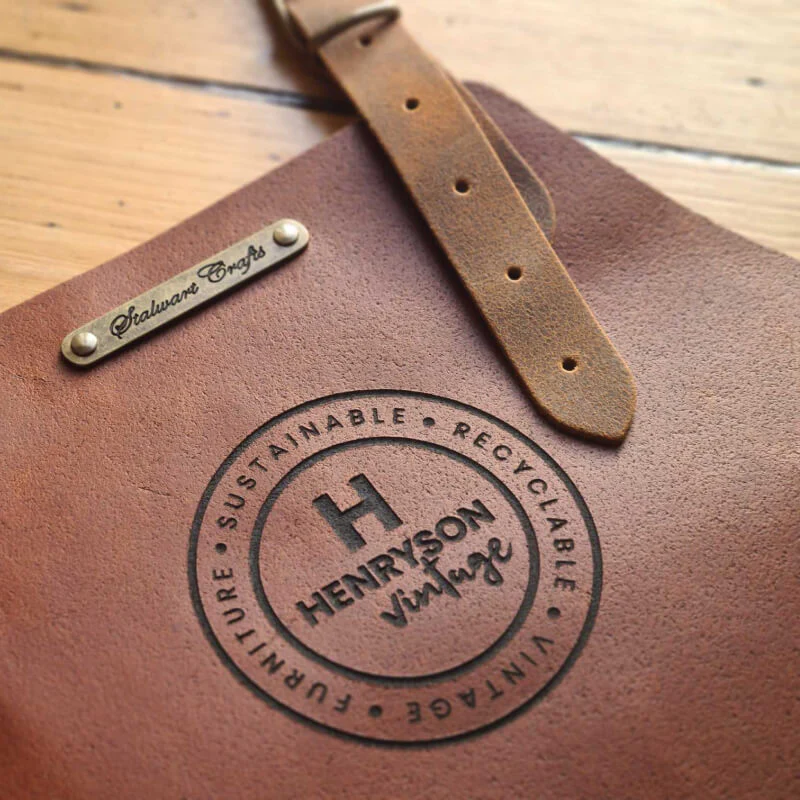
For most private label leather accessories, debossing is the safest choice. It is clean, durable, subtle, and suitable for phone cases, wallets, card holders, and daily-use products.
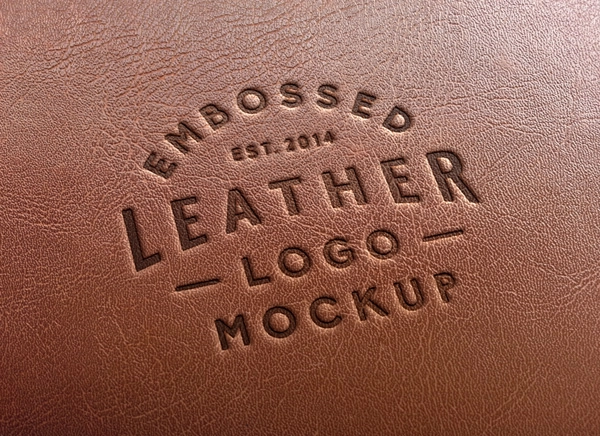
Debossed Logo
Raised embossing creates a 3D raised logo, but it is harder and usually more expensive. It works better for simple logos, gift sets, or packaging-focused products.
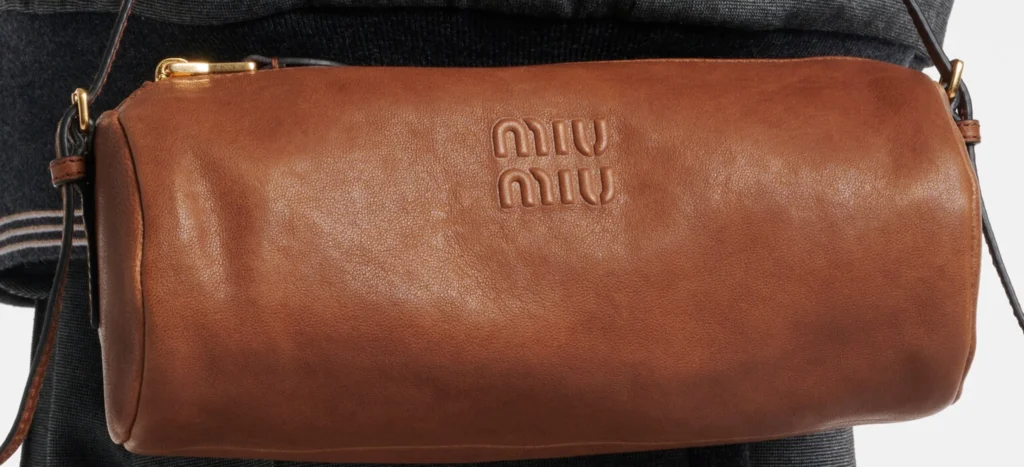
embossed logo
Hot stamping gives strong visual impact, especially gold or silver logos. It is good for corporate gifts, holiday editions, and packaging, but it should be tested carefully on high-friction leather surfaces.
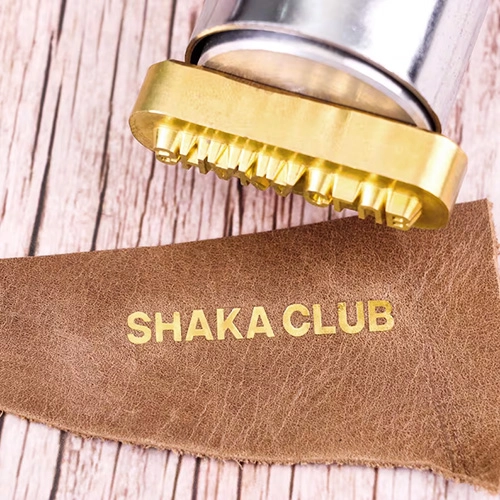
Hot stamping logo
Laser engraving is useful for names, serial numbers, event gifts, and small-batch personalization because it does not require a traditional logo mold.
Laser Engraving on leather
If your brand is new, start with debossing. Add hot stamping or laser engraving later for special editions and gift programs.
If you’re unsure which logo effect suit for you, you can refer to this guide on Leather Logo Customization to know better.
Step 6: Complete Sampling Before Mass Production
Never start mass production based only on photos, drawings, or digital mockups.
A proper private label sampling process usually has three stages.
1. Structure Sample
This sample confirms the product form before final leather and packaging are applied.
Check:
- Size
- Fit
- Cutouts
- Button feel
- Card slot position
- MagSafe alignment
- Camera opening
- Fold or hinge function
For leather phone cases, this stage prevents the most expensive mistake: approving a beautiful case that does not fit the device correctly.
2. Leather and Craft Sample
This sample confirms the actual leather, stitching, edge painting, logo method, lining, and hand feel.
Check:
- Leather grain
- Color consistency
- Surface finish
- Logo depth
- Edge paint quality
- Stitching alignment
- Touch feeling
- Patina expectation
3. Final Commercial Sample
This is the complete sales-ready sample.
It should include:
- Final product
- Logo
- Packaging
- Insert card
- Hang tag
- Care card
- Barcode label
- Any retail or Amazon packaging requirement
Only after this sample is approved should mass production begin.
Step 7: Understand MOQ, Lead Time, and Cost
MOQ is one of the biggest concerns for private label buyers.
The important point is that MOQ is not arbitrary. It is usually affected by material sourcing, mold cost, logo process, packaging, and production efficiency.
Private Label Development Levels
| Development Type | Best For | MOQ Pressure | Lead Time Pressure | Differentiation |
|---|---|---|---|---|
| White label | Beginners | Lowest | Fastest | Low |
| Semi-custom private label | Growing brands | Medium | Medium | Medium |
| Full custom OEM | Established brands | Highest | Longest | High |
Cost Components
A private label leather accessories quote usually includes:
- Leather material cost
- Inner lining cost
- Hardware cost
- Shell or structure cost
- Logo craft fee
- Mold or die fee
- Packaging cost
- Labor cost
- QC cost
- Shipping cost
For example, a semi-custom leather phone case using an existing mold and debossed logo will usually be easier to start than a full custom foldable leather case with new mold, new structure, custom color, special packaging, and magnetic system.
A good OEM manufacturer should explain which part of the cost is fixed and which part changes with order quantity.
In addition, understanding MOQ in detail can help you better plan your sourcing strategy and avoid unnecessary cost pressure in the early stages. If you’re unsure how MOQ is calculated or how to negotiate it effectively with manufacturers, you can refer to this guide on MOQ for custom leather goods to gain deeper insights and practical tips.
Step 8: Build Quality Control Into the Process
Leather goods have more variation than plastic products because leather is a natural or semi-natural material. Even synthetic leather and vegan leather can vary by batch.
That means private label brands need QC standards before production, not after defects appear.
3-Stage QC System
| QC Stage | What to Check |
|---|---|
| Raw material inspection | Leather color, grain, thickness, surface defects |
| In-process inspection | Stitching, edge paint, logo position, assembly |
| Final inspection | Function, appearance, packaging, batch consistency |
For leather phone cases, final QC should include:
- Button feedback
- Camera opening
- MagSafe strength
- USB-C cable fit
- Camera Control operation
- Corner wrapping
- Leather bonding
- Microfiber lining
- Packaging condition
For wallets and card holders, final QC should include:
- Card slot tightness
- Edge finishing
- Stitching tension
- Fold resistance
- Logo clarity
- Lining cleanliness
- Hardware condition
A private label product should not rely on “looks fine” inspection. It needs function checks.

Factory workers are conducting quality inspections
Step 9: Design Packaging and Brand Story
Packaging is not decoration. It is part of the perceived value.
For leather accessories, packaging can include:
- Rigid paper box
- Drawer box
- Kraft box
- Fabric dust bag
- Care card
- Product insert
- Warranty card
- Barcode label
- Custom hang tag
If your product uses natural leather, include a simple care and patina card. This helps reduce customer misunderstanding.
For example, customers may see scratches, color darkening, or natural leather marks and think they are defects. A care card can explain:
- Natural leather may show grain variation
- Vegetable-tanned leather darkens over time
- Oil-wax leather may scratch and recover through rubbing
- Avoid alcohol, excess water, and harsh cleaners
This is especially important for premium leather lines. Education reduces returns.
Pellove’s leather care guide can support this part of the customer journey.
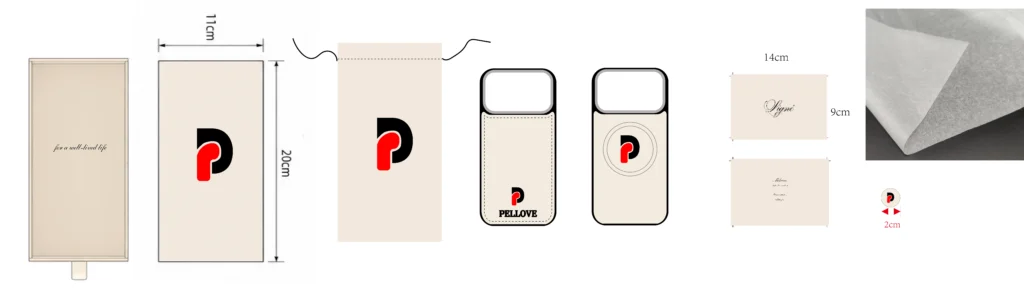
Design Packaging
Step 10: Launch, Collect Feedback, and Iterate
The first launch should not be treated as the final product line. It should be treated as the first market test.
After launch, collect feedback on:
- Hand feel
- Leather smell
- Color accuracy
- Button feel
- MagSafe performance
- Corner wear
- Card slot tightness
- Packaging impression
- Logo size
- Patina expectations
When selling on Amazon, start by reviewing negative comments—they often reveal structural issues faster than positive reviews.
For Shopify stores, it helps to ask customers why they chose to buy and what almost stopped them.
In corporate gifting, focus your questions on packaging, logo visibility, delivery speed, and whether clients would reorder.
The first collection should teach you which SKU deserves scale.
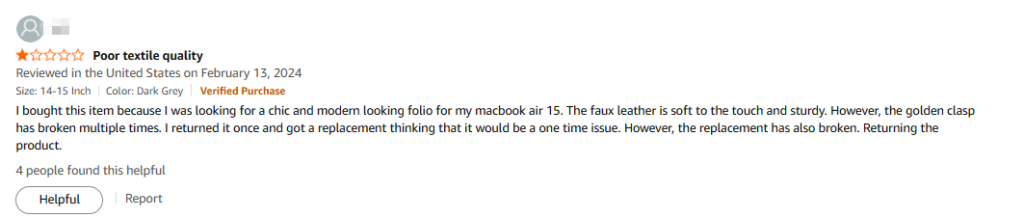
laptop case bad review from Amazon
Common Private Label Mistakes to Avoid
Mistake 1: Launching Too Many SKUs
A broad first collection creates high MOQ, high inventory pressure, and unclear positioning.
Better approach:
Start with 4-6 SKUs and scale winners.
Mistake 2: Choosing Materials Only by Price
Cheap leather may reduce unit cost, but it can increase complaints, returns, and review damage.
Better approach:
Match material to target price and expected customer use.
Mistake 3: Using the Wrong Logo Craft
Hot stamping may look beautiful, but it can wear faster in high-friction areas. Raised embossing may look premium, but it is harder and more expensive.
Better approach:
Use debossing for most daily-use leather goods. Use hot stamping, raised embossing, or laser engraving only when the product and position fit.
Mistake 4: Skipping Physical Samples
Digital mockups cannot show leather grain, logo depth, hand feel, color variation, edge paint quality, or packaging texture.
Better approach:
Approve physical samples before production.
Mistake 5: Ignoring Packaging
A premium leather product in weak packaging feels less valuable.
Better approach:
Match packaging to the retail price.
Mistake 6: Over-Customizing Too Early
New molds, new materials, new colors, and new structures all increase cost and risk.
Better approach:
Start with semi-custom products, then move into full custom after sales data confirms demand.
Pellove Private Label Development Support
For private label buyers, Pellove can help turn an idea into a practical product line instead of only quoting isolated products.
A typical project discussion can include:
- Target market and customer profile
- Starter SKU planning
- Leather material selection
- Logo craft comparison
- Packaging options
- MOQ and sample planning
- Structure improvement
- QC standards
- Shipping preparation
- Reorder and product expansion strategy
For example:
- A Shopify startup often begins with slim leather phone cases, card holders, and AirPods cases, typically paired with debossed logos and clean packaging.
- For Amazon sellers, the focus shifts to MagSafe leather phone cases with reinforced corners, clear model compatibility, and minimized complaint risk.
- In corporate gifting, card holders, passport holders, and wallet sets are usually chosen, often customized with hot stamping or laser-engraved names.
- Premium leather brands, by contrast, tend to start with full-grain or vegetable-tanned materials, subtle debossing, care cards, and storytelling around patina development.
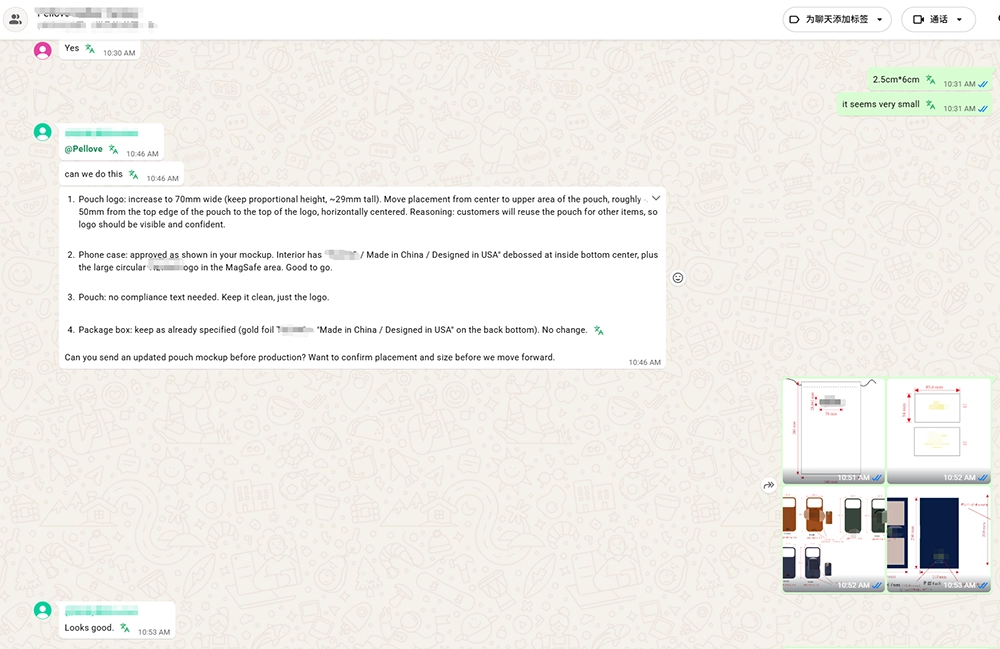
Conclusion
Developing a private label leather accessories line does not require a huge first investment, but it does require clear decisions.
Start with a focused niche. Build a lean product portfolio. Choose leather materials that match your price tier. Select logo craftsmanship based on durability and brand style. Confirm physical samples before mass production. Set QC standards early. Use packaging and care education to build perceived value.
The private label opportunity is real because consumers increasingly accept retailer-owned and independent brands when quality and presentation are strong. Leather accessories are especially suitable because they offer premium feel, daily use, gifting value, and visible brand identity.
The strongest private label leather lines are not the biggest at launch.
They are the clearest.
Start Your Private Label Leather Line
If you are planning a private label leather accessories line, you can send Pellove your target products, logo file, leather preference, and expected sales channel.
Pellove can help you evaluate:
- Suitable starter SKUs
- Leather material options
- Logo process
- Packaging plan
- MOQ and sample route
- Product structure risks
- Quality control points
- Quote and lead time
You can also request sample swatches or a first product plan before committing to mass production.
FAQ
What is a private label leather accessories line?
A private label leather accessories line is a collection of leather products made by a manufacturer and sold under your own brand name. You can customize the logo, packaging, leather material, color, and sometimes product structure.
What products should I start with?
Most new brands should start with 4-6 SKUs. Good starter products include leather phone cases, card holders, wallets, AirPods cases, watch straps, and passport holders.
What is the best leather for private label accessories?
Top-grain leather is often the safest choice for first-time private label brands because it balances quality, cost, and batch consistency. Full-grain leather is better for premium brands, while vegan leather works for eco-focused lines.
What logo method is best for private label leather goods?
Debossing is usually the best first choice because it is clean, durable, and suitable for most leather accessories. Hot stamping works well for gifts and packaging, while laser engraving is useful for personalization.
What is the difference between white label and private label?
White label usually means selecting ready-made products and adding your logo. Private label can include more customization, such as leather color, packaging, logo craft, and product details. Full custom OEM involves new design and tooling.
How many SKUs should a new leather brand launch?
A new brand should usually launch 4-6 SKUs. Too many products increase MOQ pressure, inventory risk, and operational complexity.
Why is sampling important?
Sampling prevents bulk production mistakes. It allows buyers to check structure, leather, logo, packaging, hand feel, color, and function before committing to mass production.
Can Pellove support low MOQ private label orders?
Pellove can support different private label routes depending on product type and customization level. Ready-made white label products usually allow lower MOQ than full custom OEM projects. Buyers should confirm MOQ by product and customization requirements.