
Quick Answer
Leather iPad case production is a controlled manufacturing process that turns an approved sample into repeatable bulk goods. The process usually includes PP sample review, material preparation, cutting, skiving, lamination, shell fitting, component installation, edge finishing, logo application, functional checks, final inspection and packaging.
For OEM and ODM buyers, the production process matters because small errors in cutting, skiving, lamination, magnet placement, shell alignment or edge finishing can affect fit, appearance, folding behavior and long-term product quality.
This guide focuses on the manufacturing workflow itself. It does not repeat the separate topics of material selection, logo customization, packaging design, sample development, lead time planning or full QC systems.
Why Production Process Matters for OEM/ODM Buyers
A leather iPad case may look simple from the outside, but it is not just a leather cover wrapped around a plastic shell.
Most custom leather iPad cases combine several elements:
- Outer leather, PU, or microfiber surface
- Inner lining
- Reinforcement board
- PC or TPU shell
- Adhesive layers
- Fold lines
- Edge wrapping
- Logo area
- Magnets or sleep/wake components where required
- Pencil holder, Pencil channel or modular parts where required
- Retail or shipping packaging
Each layer and component must be positioned correctly. If one production step is poorly controlled, the final product may show problems such as poor fit, cover warping, uneven folding, rough edges, weak magnetic closure or inconsistent logo placement.
A professional OEM / ODM leather iPad case factory should therefore treat production as a sequence of controlled steps, not as a single assembly job.
Production Workflow Overview
The table below summarizes the typical production flow for leather iPad cases.
| Production Stage | Main Purpose | Common Risk If Poorly Controlled |
|---|---|---|
| PP sample review | Confirm production standard | Wrong benchmark for mass production |
| Material preparation | Prepare leather, lining, shell, board and components | Color, thickness or component mismatch |
| Cutting | Cut panels and structural parts | Size deviation or misalignment |
| Skiving | Reduce leather thickness at folds and edges | Bulky edges or weak folding areas |
| Lamination | Bond layers together | Bubbles, wrinkles or warping |
| Shell fitting | Align iPad shell with leather body | Poor device fit or shifted openings |
| Component installation | Add magnets, Pencil holder or reinforcement parts | Functional misalignment |
| Edge finishing | Wrap, paint or polish exposed edges | Peeling, rough edges or uneven appearance |
| Logo application | Apply buyer branding | Off-center, unclear or inconsistent logo |
| Functional check | Verify fit, fold, stand and magnetic functions | Functional defects reach bulk goods |
| Final inspection and packing | Prepare goods for shipment | Defects, wrong packaging or mixed SKUs |

Leather iPad Case Production Process Guide
Not every case uses every process. A simple folio case, a magnetic folio, a Pencil holder case and a detachable modular case may follow different routes. But the basic logic remains the same: confirm the standard, control each step, and prevent small deviations from accumulating.
Step 1: PP Sample Review
Mass production should begin with a clear, approved reference.
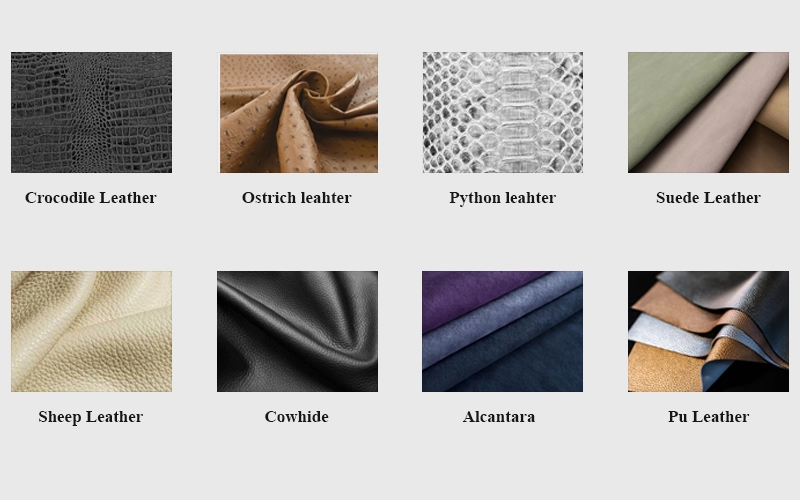
The PP sample, or pre-production sample, defines the standard for:
- Material

Custom Material
- Color
Color selection
- Texture
Custom Surface Finishes
- Dimensions
- Shell fit
- Logo position
- Edge finish
- Folding behavior
- Functional details
- Packaging method
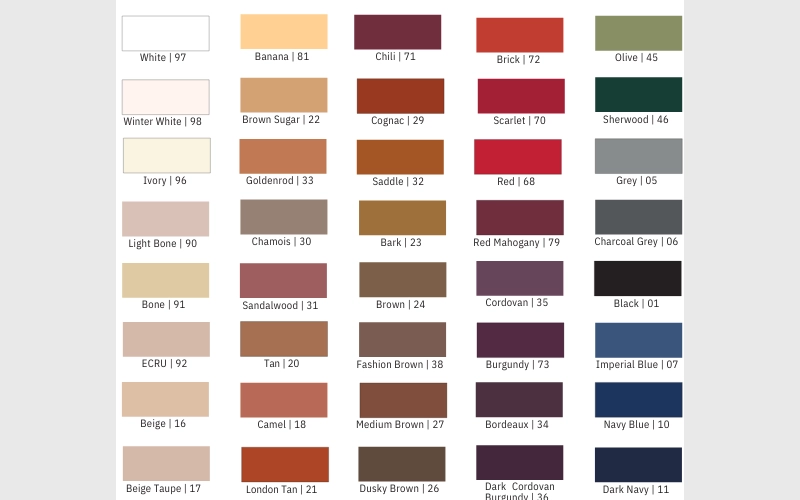
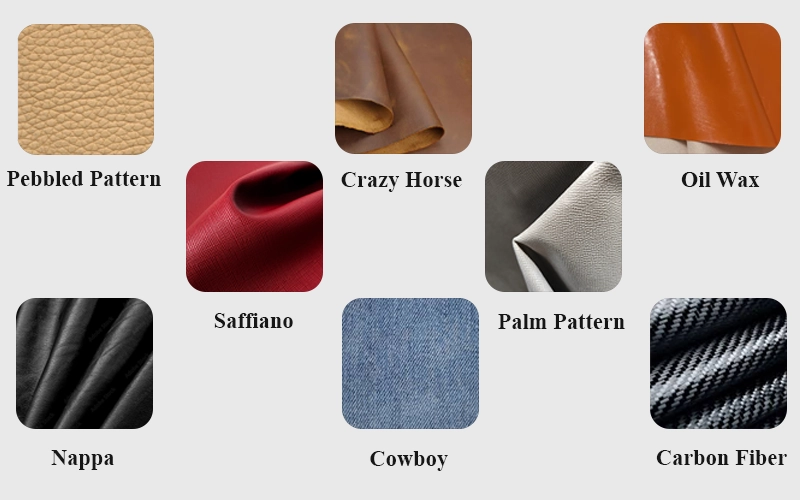
Before production starts, the factory should compare materials, components and process requirements against the approved PP sample.
This step is important because workers, supervisors and QC staff need the same benchmark. If the PP sample is unclear or not final, mass production may follow the wrong standard.
For detailed sample approval guidance, buyers can refer to the leather iPad case sampling guide.
Step 2: Material Preparation and Incoming Check
Once the production standard is confirmed, materials and components are prepared.
This may include:
- Outer leather, PU leather or microfiber leather
- Microfiber or suede lining
- Reinforcement board
- PC or TPU shell
- Adhesive film or glue
- Magnets
- Elastic parts
- Pencil holder components
- Logo hardware if used
- Packaging materials
The incoming check should confirm that materials match the approved sample. Key items include color, surface texture, thickness, backing, lining feel, shell model and component size.
This article does not cover material selection in depth because that belongs to the leather iPad case material guide. In production, the main goal is to make sure the approved material is used consistently.
Step 3: Cutting and Skiving
Cutting prepares the leather panels, lining, reinforcement layers and other structural parts.
Accurate cutting affects:
- Device fit
- Camera opening alignment
- Speaker and port access
- Cover symmetry
- Edge wrapping consistency
- Fold position
After cutting, leather parts may go through skiving. Skiving reduces thickness in selected areas, especially near folds, edges and wrapped sections.
Skiving is critical for leather iPad cases because excess thickness can make the case bulky, while over-skiving can weaken the material.
Common problems include:
- Thick folded corners
- Uneven edge wrapping
- Weak hinge areas
- Cover not closing flat
- Poor hand feel
For folio-style cases, cutting and skiving accuracy strongly affect the final folding experience.
Step 4: Lamination and Structural Layer Assembly
Lamination bonds the surface material, lining and internal reinforcement layers.
This step affects:
- Cover flatness
- Structural firmness
- Fold recovery
- Surface smoothness
- Long-term durability
Poor lamination may cause bubbles, wrinkles, shifting layers, surface waves or edge separation. Uneven pressure can also make the cover warp after assembly.
A controlled lamination process should maintain even bonding pressure, correct material alignment and stable drying or curing conditions where applicable.
For leather iPad folio cases, lamination is one of the most important steps because the front cover must remain flat while still folding smoothly.
Step 5: Shell Fitting and Body Assembly
Most leather iPad cases use a PC, TPU or hybrid shell to hold the device.
During assembly, the shell must align with:
- Leather body
- Camera opening
- Charging port
- Speaker holes
- Buttons
- Fold lines
- Stand structure
- Magnetic or Pencil areas where required
Poor shell alignment may cause the iPad to sit unevenly, block ports or make button operation difficult. Even a small shift can become visible after final assembly.
For OEM buyers, shell fitting should be checked against the exact iPad model and generation. Similar-looking iPad models may have different camera positions, button layouts or dimensions.
Step 6: Functional Component Installation
Some leather iPad cases include additional functional parts.
Examples include:
- Closure magnets
- Sleep/wake magnets
- Apple Pencil holder
- Pencil charging edge structure
- Keyboard-compatible clearance
- Stand reinforcement
- Detachable modular coupling parts
- Elastic bands or straps
This step should focus on accurate positioning, stable attachment and repeatable performance.
For example, magnet placement affects closure feel and sleep/wake response. Pencil holder positioning affects retention and usability. Modular components affect shell-folio alignment.
This article only covers these parts as production steps. Detailed magnetic design, Pencil charging behavior and modular coupling engineering should remain in their dedicated guides.
Step 7: Edge Wrapping, Stitching and Finishing
Edge finishing has a major impact on perceived quality.
Depending on the design, finishing may include:
- Edge wrapping
- Edge painting
- Stitching
- Heat pressing
- Corner shaping
- Surface cleaning
- Oil or polish finishing where applicable
Poor edge finishing may create rough corners, peeling edges, visible glue, uneven thickness or early wear.
For leather iPad cases, edges receive frequent handling during daily use. A clean edge is not only cosmetic; it also helps improve durability and comfort.
Stitching, when used, should follow consistent spacing and tension. Edge painting should be smooth and controlled, without buildup that affects fit or folding.
Step 8: Logo Application
Logo customization is usually applied after material preparation or during assembly, depending on the process.
Common logo methods include:
- Debossing
- Embossing
- Printing
- Laser marking
- Metal logo plate installation
- Leather patch application
- Packaging logo coordination
During production, the main control points are placement, clarity, depth, color and consistency.
A logo that looks good on one sample must be repeatable across the bulk order. For this reason, factories often use positioning fixtures or clear reference marks to reduce variation.
Detailed logo method comparison should remain in the leather iPad case logo customization guide.
Step 9: In-Process Functional Checks
Before final inspection, production teams should check key functions during assembly.
Depending on the case type, checks may include:
- iPad fit
- Button access
- Port alignment
- Camera opening
- Cover opening and closing
- Stand angle
- Magnetic closure
- Auto sleep/wake response
- Pencil holder fit
- Pencil charging compatibility where applicable
- Detachable shell alignment
- Surface cleanliness
These checks help catch production problems before the goods reach final packing.
This is not a replacement for a full QC system. It is part of production control. For final inspection standards, buyers should refer to the leather iPad case quality control guide.
Step 10: Final Inspection and Packaging
After assembly, finished cases go through final inspection and packing.
Final checks usually cover:
- Appearance
- Dimensions
- Shell fit
- Edge quality
- Logo position
- Folding behavior
- Functional performance
- Packaging accuracy
- Label and SKU information
- Carton packing
Packaging should protect the finished case without deforming the cover, Pencil holder, fold line or magnetic edge.
For a full understanding of the packing, pls refer to our leather iPad case packaging guide. In the production process, packaging is the final step that protects the work completed in earlier stages.
Key Production Control Points
For OEM/ODM buyers, the most important production control points are:
| Control Point | Why It Matters |
|---|---|
| Material consistency | Keeps color, texture and thickness aligned with approved sample |
| Cutting accuracy | Controls fit, openings and panel alignment |
| Skiving precision | Prevents bulky edges and weak folds |
| Lamination pressure | Affects flatness, bonding and long-term durability |
| Shell alignment | Ensures correct device fit and port access |
| Component positioning | Affects magnets, Pencil holder and modular functions |
| Edge finishing | Improves appearance, durability and hand feel |
| Logo placement | Protects brand presentation |
| In-process checks | Catches problems before final inspection |
| Packaging fit | Prevents deformation during shipment |
A strong production process reduces the chance that small errors accumulate into visible product defects.
Common Production Problems and Prevention
| Problem | Likely Production Cause | Prevention |
|---|---|---|
| Cover warping | Uneven lamination or board tension | Control bonding pressure and material balance |
| Rough edges | Poor wrapping, cutting or edge paint control | Improve edge preparation and finishing checks |
| Poor iPad fit | Shell misalignment or wrong model reference | Verify shell and device model before assembly |
| Logo inconsistency | Manual placement variation | Use positioning fixtures and approved sample reference |
| Weak magnetic closure | Magnet position variation | Control magnet placement during assembly |
| Pencil holder deformation | Excess pressure or poor forming | Check clearance and shape during production |
| Fold line cracking | Poor skiving or unsuitable fold construction | Control fold thickness and bending radius |
| Packaging pressure marks | Box too tight or poor internal support | Verify packaging fit before shipment |
These problems are often preventable when production standards are clear and each process has control points.
What Buyers Should Confirm Before Production
Before mass production starts, buyers should confirm:
- Final iPad model
- Approved PP sample
- Final material and color
- Logo file, method and placement
- Packaging method
- Functional requirements
- Quantity and SKU breakdown
- Labeling requirements
- Inspection expectations
- Shipping plan
A clear production handover helps the factory avoid confusion between sample approval and bulk execution.
How Pellove Supports OEM/ODM Production
For leather iPad case OEM and ODM projects, Pellove supports production by aligning approved samples, material preparation, process control, functional checks, logo application, packaging and final inspection.
Depending on the project, production support may include:
- Existing structure production
- Custom folio case assembly
- Leather cutting and skiving
- Lamination and forming
- Logo customization
- Magnet and Pencil holder assembly
- Packaging coordination
- In-process inspection
- Final shipment inspection
For buyers developing private-label or custom leather iPad cases, Pellove can help review the production path before mass manufacturing begins.
FAQ
How are leather iPad cases made?
Leather iPad cases are usually made through PP sample review, material preparation, cutting, skiving, lamination, shell fitting, component installation, edge finishing, logo application, functional checks, final inspection and packaging.
Why is skiving important in leather iPad case production?
Skiving reduces leather thickness at folds and edges. It helps prevent bulky corners, uneven wrapping and poor folding behavior.
What causes leather iPad case cover warping?
Cover warping may come from uneven lamination pressure, unbalanced internal layers, unsuitable reinforcement or poor packaging pressure.
When is the logo added during production?
Logo timing depends on the method. Debossing, printing, laser marking or metal plate installation may happen before or during assembly. The approved logo sample should guide bulk production.
Are magnets installed during the main assembly process?
Yes, if the design uses magnetic closure, sleep/wake function or other magnetic features. Magnet position must be controlled carefully during assembly.
Is final inspection part of the production process?
Yes. Final inspection checks appearance, fit, function, logo, packaging and labeling before shipment.
Conclusion
Leather iPad case production is a multi-step manufacturing process, not a simple assembly task.
From PP sample review and material preparation to cutting, skiving, lamination, shell fitting, component installation, edge finishing, logo application, functional checks and final packaging, each step affects the final product.
For OEM and ODM buyers, understanding the production process helps evaluate whether a supplier can deliver consistent quality in bulk. The most reliable projects begin with a clear PP sample, controlled materials, accurate process execution and practical inspection standards.
Pellove supports custom leather iPad case production by helping buyers turn approved samples into repeatable mass-production orders with clear process control and functional verification.