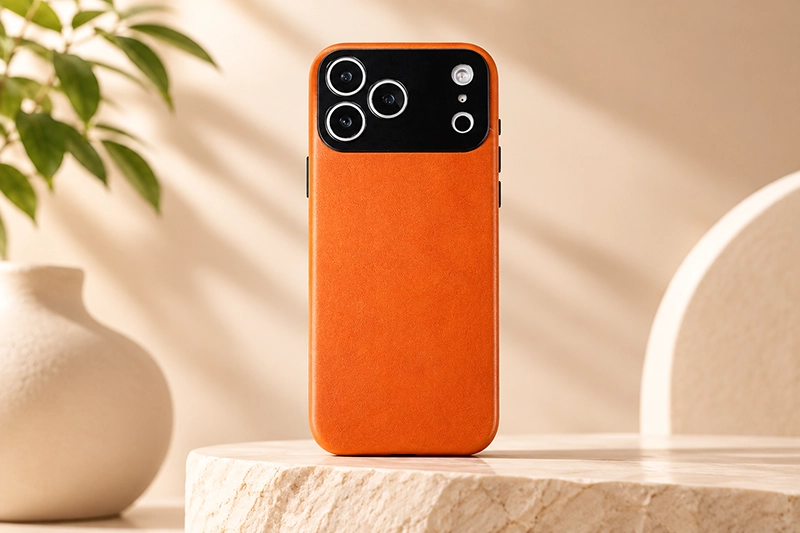

A limited edition phone case works when the edition is planned as a product release, not simply as a standard case in a new color. For brands building luxury phone cases, a limited edition phone case can also create a clearer collection story than another broad seasonal range. The smaller range should have a clear story, controlled materials, consistent presentation and enough model coverage to serve the customers who are expected to buy it.
The difficulty is operational. A launch with several phone models, several leather colors, multiple hardware finishes and custom packaging creates more combinations than the unit quantity suggests. A tight edition brief reduces those combinations before sampling begins.
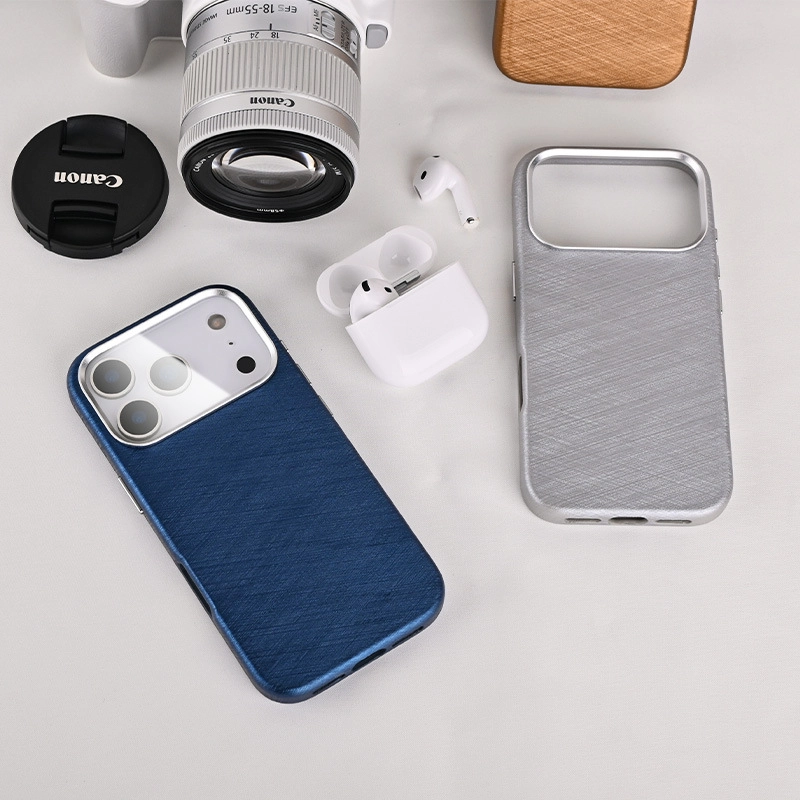
Limited Edition vs Standard Custom Production
| Decision | Limited edition | Standard custom program |
|---|---|---|
| Range width | Narrow story, fewer colors and a defined launch window | Broader range built for repeat ordering and long-term availability |
| Sampling | Approve the hero product, every selling combination and packaging | Approve a platform that can support recurring colors and model additions |
| Material control | Reserve or select leather from a controlled batch when color consistency matters | Maintain a material standard across production runs |
| Priority | Launch timing, presentation and a clear reason for the edition | Scale, replenishment and cost consistency |
Choose the Edition Idea Before the Color Palette
A launch can be built around a leather finish, a place, a material story, a collaboration, a seasonal palette or a functional format such as a slim case with a matching wallet. The idea should be visible without a long explanation. If the product is called a travel edition, the color, hardware, lining and packaging should all support that direction.
Write the collection in one sentence before listing SKUs. For example: “A two-color vegetable-tanned range with matching card holders and travel packaging.” That sentence makes it easier to remove ideas that do not belong. It also gives the factory a stable basis for quoting.
Keep the SKU Tree Under Control
An edition becomes expensive to coordinate when the color count is multiplied by phone models, hardware finishes, strap options and packaging variants. Even a modest list can produce a large sample matrix. Begin with the product that will carry the campaign, then add companion items only when they use the same approved materials and visual language.
- Name the exact phone models, including whether Pro, Pro Max, Plus or foldable versions differ.
- Set the main leather colors and a secondary option only when it has a clear role.
- Limit metal finishes to those that can be shown consistently across the range.
- Decide whether straps, wallets or packaging are part of the edition or sold separately.
- Approve the combination that will receive the most visibility first, then check the others.
The existing private-label leather phone case guide covers logo, leather and construction choices. A limited edition adds a release layer: which choices belong together, what changes between units, and how the customer will recognize the collection.
Control Leather Color and Surface Variation
Natural leather varies between hides and batches. Grain, tone, gloss, pull-up behavior and visible marks can all change how a color appears. This is part of the material’s character, but a limited edition needs a standard that tells the factory which variation belongs in the collection and which does not.
Approve a physical color standard under daylight and indoor light. Include the intended finish, such as matte, satin or high gloss, and the acceptable range for natural markings. If the collection uses embossed leather, approve the embossing depth and repeat on the actual case shape. A flat swatch alone can hide distortion around corners and camera openings.
When the launch has a fixed date, ask whether the selected leather can be reserved in the required quantity. Color continuity is easier to manage when the material is selected early than when production starts from several unrelated lots.
Design the Edition Mark
Edition numbering, a series name, a small debossed mark or a dated card can make the release feel distinct. The mark should be planned before sampling because placement affects stitching, lining and packaging. Avoid adding a large decoration that changes the case’s balance or covers a useful surface.
If every unit will be numbered, define where the number goes and how mistakes are handled. A handwritten card is more flexible than a permanent mark, while a permanent edition mark needs a controlled application step. The goal is to make the edition recognizable without creating a new quality risk at the end of production.
Make the Packaging Part of the Product
A limited edition often reaches the customer as a complete object: case, dust bag, box, insert card and possibly a care note. Each piece adds a production lead time and an approval point. Packaging should be included in the first sample calendar, not added after the case is approved.
- Check logo contrast and placement on the box and dust bag.
- Confirm that the case fits the box without pressure or movement.
- Match the care instruction to the actual leather finish.
- Review the insert card, edition number and product name together.
- Test the packed parcel before the launch quantity is committed.
Plan the Launch Backward From the Release Date
Start with the date the product must reach the warehouse or customer, then work backward through packing, final inspection, bulk production, material approval and sample approval. A short edition does not automatically have a short production time. New tooling, new hardware or custom packaging can add approval cycles.
Ask for a project schedule that separates sampling, buyer feedback, material lead time and production. Pellove can quote the MOQ, sample timing and production calendar for the exact model and material rather than using a generic estimate. That is especially important when the design includes unusual hardware, a new phone platform or multi-piece packaging.
Approve Every Customer-Facing Combination
The main sample may look excellent while the second color, larger phone model or alternate hardware finish exposes a problem. Before release, check the combinations that will sell, especially those shown together in the same campaign. Keep one approved standard for leather, edge paint, stitching, logo and packaging.
Frequently Asked Questions
How many colors should a limited leather phone case range use?
Use only the colors needed to tell the edition story. A tighter palette is easier to control across leather batches, phone models and packaging.
Can a limited edition use standard phone case tooling?
Yes, when the target phone platform already has approved tooling. New camera openings, foldable structures or unusual hardware may still require development.
Should each phone model be sold in every color?
Not necessarily. A focused model-and-color matrix can reduce inventory risk, provided the offer is clear to customers.
What should be approved before bulk production?
Approve the final leather color, case fit, logo, edge finish, hardware, stitching and packed product. Check every combination that will ship.
Send Pellove the edition concept, phone models, color direction, packaging and target release date. We can turn the brief into a sampling plan through our custom leather phone case service or review it through the Pellove contact page.