
Quick Answer
A private label leather AirPods case allows brands to launch their own branded earbud accessories without developing a completely new product from scratch.
Instead of investing in exclusive tooling and full product development, buyers can select an existing or semi-developed AirPods case structure, customize leather materials, colors, logos and packaging, then sell the finished product under their own brand.
Private label is a practical solution for:
- New accessory brands
- Amazon and e-commerce sellers
- Retail companies
- Corporate gifting suppliers
- Premium lifestyle brands
- Technology accessory companies
A successful private label leather AirPods case project usually requires four key decisions:
- Selecting the correct AirPods model and case structure
- Choosing materials that match the brand positioning
- Creating consistent branding through logo and packaging customization
- Confirming product quality before mass production
For most first-time buyers, private label provides a faster and lower-risk way to enter the premium technology accessory market compared with developing a completely new product.
What Is a Private Label Leather AirPods Case?
A private label leather AirPods case is a product manufactured by a supplier and customized for another company’s brand.
The manufacturer usually provides an existing or semi-developed product structure, while the buyer focuses on brand customization, including:
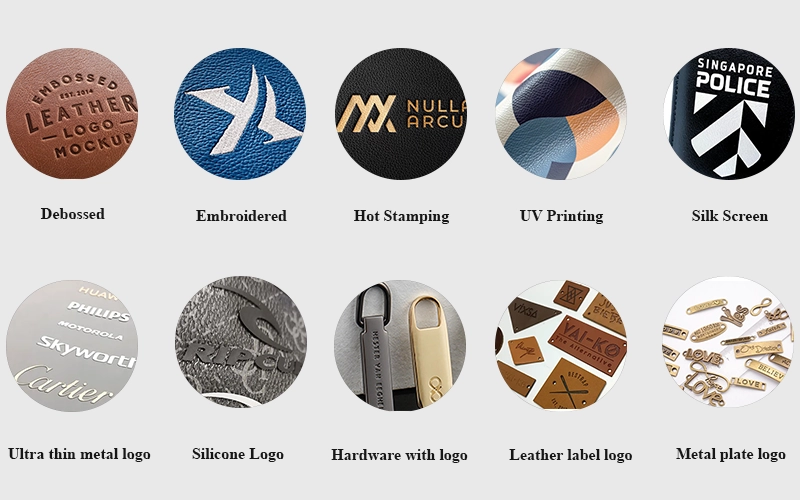
- Brand logo

Logo option
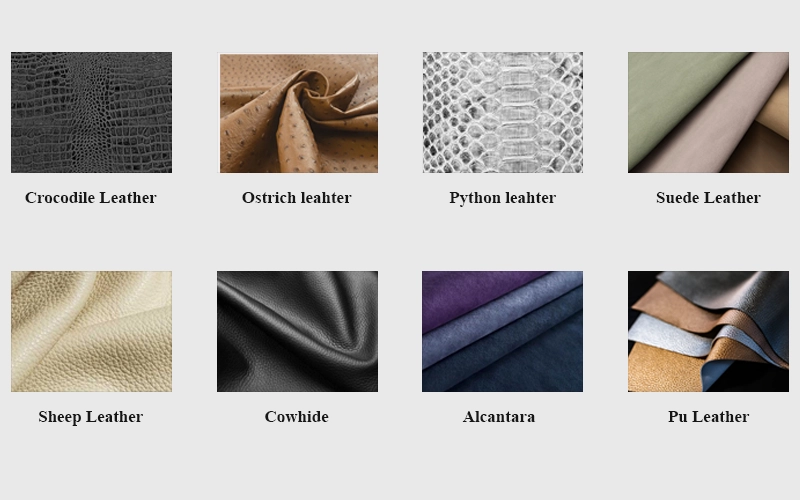
- Leather material
Material selection
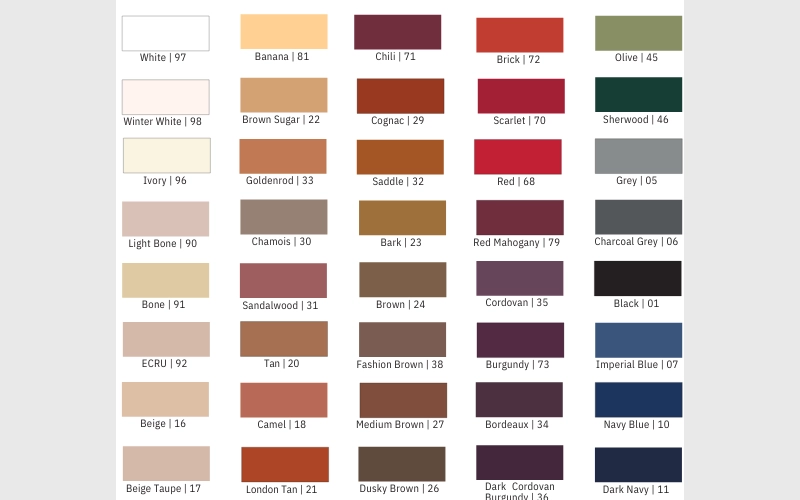
- Product color
Color selection
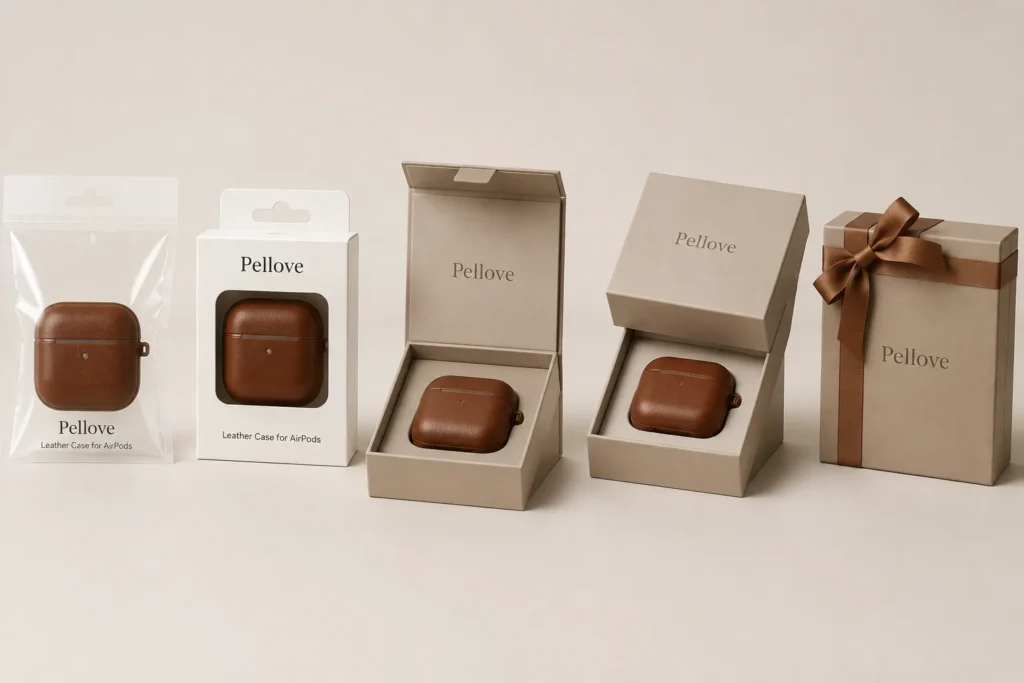
- Packaging design

Leather AirPods cases packing option
- Insert cards
- Barcode labels
- Retail presentation
- Gift packaging
The finished product is sold under the buyer’s own brand name.
Unlike OEM or ODM projects, private label projects focus on customization rather than on creating an entirely new product structure.
This approach allows brands to reduce development risk and launch products faster.
For example, a new lifestyle brand may start with:
- Existing AirPods case structure
- Premium leather material
- Debossed logo
- Branded packaging
After validating market demand, the brand can expand into:
- More leather options
- Additional AirPods models
- Matching phone cases
- Complete accessory collections
Based on experience working with leather accessory brands, many successful private label projects start with a simple, focused product strategy rather than excessive customization at the outset.
Who Should Choose a Private Label Leather AirPods Case?
Private label AirPods cases are suitable for companies that already have a sales channel or want to enter the leather technology accessory market.
1. New Accessory Brands
For startups, developing a completely new product requires:
- Product design
- Engineering development
- Tooling investment
- Longer testing time
Private label provides a lower-risk alternative.
A typical first launch may include:
- One or two AirPods models
- Popular leather colors
- Simple logo customization
- Standard retail packaging
This allows brands to test customer response before investing in exclusive product development.
2. Amazon and E-commerce Sellers
For online sellers, private label helps create differentiation beyond price competition.
Instead of selling a generic AirPods case, sellers can create a branded product with:
- Unique leather appearance
- Premium packaging
- Custom logo
- Better customer experience
This is especially useful for:
- Amazon sellers
- Shopify brands
- Direct-to-consumer companies
A customized leather AirPods case can help improve brand recognition and support higher perceived product value.
3. Phone Case and Tech Accessory Brands
Brands already selling:
- Leather phone cases
- MagSafe wallets
- iPad cases
- Apple Watch straps
can naturally expand into AirPods accessories.
A coordinated product collection can create more opportunities for:
- Cross-selling
- Bundle sales
- Higher customer lifetime value
For example:
Leather phone case + AirPods case + MagSafe wallet
can become a complete premium technology accessory collection.
4. Corporate Gift Companies
Leather AirPods cases are compact, practical and suitable for branded gifting.
Companies can customize:
- Corporate logo
- Gift box
- Message card
- Product combination
for:
- Employee gifts
- Business events
- Customer appreciation programs
Private Label vs OEM vs ODM: Which Model Is Right?
Many buyers confuse private label, OEM and ODM. However, these models represent different levels of product development.
| Model | Buyer Provides | Best For |
|---|---|---|
| Private Label | Brand, logo, material direction, packaging | Fast product launch |
| OEM | Product specifications and requirements | Brands with clear designs |
| ODM | Product concept and development goals | Brands seeking unique products |
Private Label
Private label usually starts from an existing structure.
The buyer focuses on:
- Brand identity
- Material selection
- Color direction
- Logo
- Packaging
- Market positioning
Advantages:
- Faster launch
- Lower investment
- Lower development risk
OEM
OEM is suitable when buyers already have detailed product requirements.
The supplier manufactures according to:
- Drawings
- Specifications
- Material requirements
- Functional requirements
OEM provides more control but requires more preparation.
ODM
ODM involves developing a new product concept.
It may include:
- New structure design
- New tooling
- Engineering development
- Functional innovation
ODM provides stronger differentiation but requires more time and investment.
For most first-time AirPods case buyers, private label is usually the most efficient starting point.
What Can You Customize for a Private Label AirPods Case?
Although private label uses existing structures, brands still have many customization options.
1. Leather Material Selection
Material choice directly affects:
- Product appearance
- Touch feeling
- Brand positioning
- Selling price
Common options include:
Genuine Leather
Suitable for premium brands looking for:
- Natural texture
- Luxury appearance
- Higher perceived value
Top-Grain Leather
A popular choice for premium accessories because it balances:
- Durability
- Appearance
- Consistency
Microfiber Leather
Suitable for brands requiring:
- Stable quality
- Consistent colors
- Better cost control
PU Leather
A practical option for:
- Entry-level products
- Large-volume projects
- Price-sensitive markets
The best material depends on:
- Target customer
- Sales channel
- Product positioning
- Expected retail price
2. Color Customization
Color plays an important role in brand recognition.
Popular starting colors include:
- Black
- Brown
- Navy
- Gray
- Beige
For first launches, many brands choose existing colors because they help reduce:
- Development time
- Material complexity
- Production risk
Custom colors can strengthen brand identity but may require additional approval and planning.
3. Logo Customization
Logo customization transforms a standard AirPods case into a branded product.
Common methods include:
Debossing
Creates a clean and subtle premium leather effect.
Suitable for:
- Luxury brands
- Minimalist designs
- Leather accessories
Embossing
Creates a raised logo effect with stronger visual impact.
Printing
Suitable for:
- Color logos
- Detailed graphics
Metal Logo Plate
Creates a premium appearance but may increase:
- Cost
- Production complexity
Logo placement should consider:
- Leather surface
- Hinge area
- Hardware position
- Overall appearance
4. Hardware and Accessory Options
Brands can also customize functional details, including:
- Metal hooks
- Key rings
- Wrist straps
- Carabiners
These options are popular for customers who prefer:
- Travel convenience
- Outdoor usage
- Fashion accessories
5. Packaging Customization
Packaging strongly affects customer perception.
Private label packaging options include:
- Polybag with label
- Paper box
- Printed retail box
- Gift box
- Insert card
- Thank-you card
- Barcode label
For new brands, a simple branded box or insert card is often enough.
Premium brands may choose gift packaging to create a stronger unboxing experience.
Private Label Leather AirPods Case Development Process
A typical private label project follows these steps.
Step 1: Confirm AirPods Model
The first step is selecting the correct AirPods model.
Different generations may have differences in:
- Dimensions
- Charging port position
- Hinge structure
- Speaker opening
- Wireless charging requirements
Correct model confirmation helps prevent compatibility problems.
Step 2: Select Case Structure
Brands can choose from existing structures such as:
- Slim leather wrap case
- Two-piece leather case
- Shell-supported leather case
- Leather case with hook
- Leather case with strap
The best structure depends on:
- Brand positioning
- Target price
- Customer usage scenario
Step 3: Confirm Branding Requirements
Buyers should provide:
- Logo file
- Logo size
- Logo position
- Material preference
- Color requirements
- Packaging requirements
Clear requirements help manufacturers recommend the right solution.
Step 4: Sample Approval
Before production, samples should be checked for:
- Product appearance
- Leather quality
- Logo effect
- AirPods fit
- Lid movement
- Charging access
- Packaging presentation
For AirPods cases, physical sample approval is recommended because small fitting differences can affect daily usage.
Step 5: Mass Production
After sample approval, production follows the confirmed standard.
Key consistency points include:
- Material
- Color
- Logo placement
- Assembly quality
- Packaging accuracy
How to Choose a Private Label AirPods Case Manufacturer?
Choosing the right supplier is one of the most important decisions in a private label project.
Brands should evaluate:
1. Leather Manufacturing Experience
A supplier should understand:
- Leather selection
- Material cutting
- Surface finishing
- Bonding techniques
- Edge quality
Leather products require more craftsmanship than standard plastic accessories.
2. Product Development Capability
A capable supplier should support:
- Sample development
- Logo customization
- Packaging solutions
- Product improvements
Good communication during development can reduce unnecessary delays.
3. Quality Control Capability
Before mass production, suppliers should have inspection procedures for:
- Material consistency
- Product fitting
- Logo accuracy
- Assembly quality
- Packaging
4. Complete Accessory Capability
Working with a supplier that can support multiple products provides advantages.
For example:
- Leather AirPods cases
- Leather Phone cases
- Leather iPad cases
- Leather MagSafe wallets
can be developed as a complete collection.
Private Label AirPods Case MOQ and Lead Time
MOQ and production time depend on customization requirements.
Typical private label projects:
| Item | Typical Range |
|---|---|
| MOQ | 100–300 pcs/model |
| Sample Development | Around 5–10 working days |
| Mass Production | Around 25–30 working days after approval |
Factors affecting MOQ and timeline include:
- Material selection
- Custom colors
- Packaging requirements
- Hardware customization
Many brands start with limited models and colors, then expand after market validation.
Common Mistakes Private Label Buyers Should Avoid
1. Launching Too Many Models
Too many AirPods generations can create:
- High inventory pressure
- More SKUs
- More management complexity
2. Choosing Materials Only by Price
The cheapest option may not match the expected brand image.
Consider:
- Appearance
- Durability
- Customer expectations
- Retail positioning
3. Ignoring Packaging
Packaging influences perceived value.
A premium leather product should have packaging that matches its positioning.
4. Approving Samples Only by Photos
Photos cannot fully show:
- Leather texture
- Fit accuracy
- Lid movement
- Charging performance
Physical testing is recommended.
5. Adding Too Many Features Initially
Excessive customization may increase:
- Cost
- Development time
- Production risks
A simple but well-executed product is usually the better first launch strategy.
Private Label AirPods Case RFQ Checklist
To receive an accurate quotation, buyers should prepare:
Product Information
- AirPods model
- Case style
- Material preference
- Color requirements
Branding Information
- Logo file
- Logo size
- Logo position
- Logo method
Packaging Requirements
- Box type
- Insert card
- Barcode label
- Retail requirements
Business Information
- Target MOQ
- Target price
- Sales channel
- Launch timeline
- Shipping destination
A detailed RFQ helps manufacturers recommend the most suitable solution.
How Pellove Supports Private Label Leather AirPods Case Projects
Pellove supports brands developing private label leather AirPods cases from product selection to mass production.
With a 6,500㎡ leather accessory manufacturing facility and experienced production teams, Pellove provides support including:
- Existing leather AirPods case structures
- Material and color selection
- Logo customization
- Packaging development
- Sample preparation
- Production coordination
- Quality inspection support
Pellove specializes in leather technology accessories, including:
- Leather AirPods cases
- Leather phone cases
- iPad cases
- MagSafe wallets
- Apple Watch straps
For brands looking to build a premium technology accessory collection, private label AirPods cases can become an important extension of their product portfolio.
FAQ
What is a private label leather AirPods case?
A private label leather AirPods case is manufactured by a supplier and customized with the buyer’s brand logo, materials, colors and packaging.
Is private label cheaper than OEM?
Usually yes. Private label uses existing structures, reducing development costs compared with fully customized products.
Can I customize my logo on an AirPods case?
Yes. Common options include debossing, embossing, printing and metal logo plates.
Can private label AirPods cases support wireless charging?
Yes. Compatibility should be confirmed through sample testing with the actual AirPods model.
What material is best for private label AirPods cases?
Premium brands often choose genuine or top-grain leather, while brands focusing on consistency and cost may choose microfiber or PU leather.
Can I customize packaging?
Yes. Packaging can include branded boxes, gift packaging, insert cards and barcode labels.
Do I need a sample before production?
Yes. Sample approval helps confirm fit, appearance and branding details.
Can I combine AirPods cases with phone cases?
Yes. Many brands create matching leather accessory collections.
Can you support Amazon private label projects?
Yes. Private label products can be developed with customized branding and packaging requirements.
Conclusion
Private label leather AirPods cases provide brands with an efficient way to enter the premium technology accessory market without developing a completely new product.
By selecting the right AirPods model, choosing suitable materials, customizing branding elements and validating samples before production, brands can create products with lower risk and faster market entry.
For startups, the ideal approach is usually to begin with an existing structure, practical customization and manageable quantities.
For established brands, private label can become the foundation for expanding into a complete leather accessory collection.
A successful private label AirPods case should combine:
- Premium appearance
- Reliable functionality
- Consistent quality
- Strong brand presentation
With the right manufacturing partner, brands can transform a simple AirPods accessory into a valuable extension of their brand identity.