
Dive into the indulgent world of suede leather—where softness meets sophistication and every surface invites a second touch. Subtle yet striking, suede carries a quiet confidence. It doesn’t shout luxury; rather, it whispers it through texture, tone, and touch.
What Is Suede Leather?
To begin with, suede leather is a type of genuine leather made from the underside—also known as the flesh side—of an animal hide. Unlike full grain leather or top grain leather, which use the outermost and strongest layer of the hide, suede is crafted from the inner split layer. As a result, it develops its signature velvety nap and matte finish.
In other words, what makes suede unique is not the animal it comes from, but the part of the hide that is used.
Suede is typically produced from cowhide, lambskin, sheepskin, goatskin, or pigskin. However, each type creates a slightly different look and feel:
Cowhide suede tends to be thicker and more durable.
Lambskin or sheepskin suede is exceptionally soft and lightweight.
Pigskin suede often has a more textured appearance with visible pores.
During production, the leather is carefully buffed or sanded. Consequently, the fibers are raised, creating the soft, brushed texture that defines suede.

suede leather
Is Suede Real Leather?
Yes—traditional suede is absolutely real leather.
Although it comes from the inner layer of the hide rather than the outer grain, it is still made from genuine animal skin. That said, because it lacks the tough outer grain layer, suede is generally softer but less durable than full-grain or top-grain leather.
At the same time, it is important to note that not all suede on the market is genuine. Some products are made from:
Bonded suede, which combines leather fibers with adhesives
Synthetic suede (also called faux suede or microsuede), which is made entirely from man-made materials
While these alternatives may resemble real suede visually, they typically do not offer the same breathability, natural aging process, or distinctive leather scent.
Suede vs. Full Grain and Top Grain Leather
When comparing suede with other types of leather, the differences become clearer in terms of texture, durability, and application. If you would like a more detailed breakdown of various leather types — including real, bonded, and faux leather — read our Complete Guide to Leather Types.
1. Texture and Appearance
First of all, suede is known for its soft, fuzzy surface and matte finish. Its nap shifts slightly when brushed in different directions, creating subtle variations in tone.
By contrast, full-grain leather retains the natural outer layer of the hide. Therefore, it showcases natural markings, scars, and grain patterns, resulting in a rugged and authentic look.
Meanwhile, top grain leather is sanded and refined to remove imperfections. As a result, it appears smoother and more uniform than full-grain leather.

suede leather surface
2. Durability and Strength
In terms of durability, full grain leather is the strongest option because it keeps the entire grain layer intact. Over time, it develops a rich patina and can withstand heavy use.
Top grain leather, while slightly less durable, still offers excellent strength and a more polished appearance.
On the other hand, suede is softer and more flexible. However, it is also more prone to scuffs, stains, and wear, especially in high-friction areas.
3. Best Uses
Because of these differences:
Suede is ideal for fashion apparel, footwear, gloves, and decorative upholstery.
Full grain leather is better suited for belts, briefcases, and heavy-duty bags.
Top grain leather works well for handbags, jackets, and modern furniture.
Ultimately, suede excels in applications where comfort and texture are more important than extreme durability.

Suede leather Boots
Advantages of Suede Leather
Despite its delicate nature, suede offers several compelling benefits.
1. Exceptional Softness
Most importantly, suede is incredibly soft. The raised fibers create a plush surface that feels smooth and gentle against the skin. For this reason, it is especially popular in clothing and footwear.
2. Elegant Appearance
In addition, suede’s matte finish and subtle depth give it a refined and understated beauty. The way the nap moves under light adds dimension and visual interest.
3. Breathability
Another advantage is breathability. Because suede is more porous than heavily finished leathers, it allows air to circulate more freely. Consequently, it can feel more comfortable in moderate climates.
4. Flexibility and Drape
Furthermore, suede is highly flexible. It drapes naturally and molds easily to shapes, making it perfect for tailored garments and fitted shoes.
5. Rich Color Options
Finally, suede absorbs dye exceptionally well. Therefore, it is available in a wide range of colors—from classic browns and tans to bold shades like navy, emerald, or burgundy.
Disadvantages of Suede Leather
Nevertheless, suede also comes with certain limitations.
1. Prone to Staining
Because suede is porous, it absorbs liquids quickly. As a result, water, oil, and dirt can leave noticeable stains if not treated immediately.
2. Sensitive to Moisture
Unlike some treated leathers, suede is not naturally waterproof. Prolonged exposure to rain or humidity can cause discoloration or stiffness.
3. Lower Durability
Moreover, since it lacks the protective grain layer, suede is more vulnerable to wear and abrasion.
4. Higher Maintenance
For these reasons, suede requires regular care. Brushing, protective sprays, and proper storage are essential to maintain its appearance over time.
Common Uses of Suede Leather
Thanks to its softness and visual appeal, suede is widely used across various industries.
Fashion Apparel
Suede jackets, skirts, and dresses offer a timeless yet modern look. Because the material drapes beautifully, it enhances both structured and flowing designs.
Footwear
Similarly, suede is frequently used in shoes and boots. It adds texture and sophistication while maintaining comfort and flexibility.
Accessories
In addition, handbags, belts, and gloves made from suede provide a distinctive tactile experience. The material adds warmth and elegance to everyday essentials.
Upholstery and Home Decor
Beyond fashion, suede appears in cushions, accent chairs, and decorative pieces. In this context, it introduces softness and depth to interior spaces.
Automotive Interiors
Finally, some luxury vehicles incorporate suede-like materials into seats and steering wheels. This enhances both grip and overall refinement.
How Is Suede Made?
The manufacturing process involves several carefully controlled steps.
First, high-quality hides are selected and cleaned. Next, the hides undergo tanning to preserve and stabilize the leather.
After tanning, the hide is split into layers. The outer layer becomes full grain or top grain leather, while the inner layer is designated for suede.
Then comes the most important step: buffing or sanding. This process raises the fibers and creates the soft nap that defines suede.
Finally, the leather is dyed and may receive protective treatments to improve stain resistance.

How Is Suede Made
A Brief History of Suede
Historically, the word “suede” comes from the French phrase gants de Suède, meaning “gloves from Sweden.” suede (linked to Wikipedia page), Swedish craftsmen were known for producing exceptionally soft gloves, and over time, the name became associated with the material itself.
How to Care for Suede Leather
Because suede is delicate, proper care is essential.
For dry dirt, use a soft suede brush and brush gently in one direction.
If the leather becomes wet, blot the area immediately—do not rub. Then allow it to air dry naturally before brushing lightly to restore the nap.
For oil-based stains, avoid water and consult a professional cleaner instead.
In general, applying a suede-specific waterproofing spray can help reduce staining. Additionally, store suede items in a cool, dry place away from direct sunlight and heat.

How to Care for Suede Leather
Final Thoughts
In conclusion, suede leather stands out for its softness, elegance, and tactile appeal. Although it requires more maintenance than other leather types, its luxurious feel and refined aesthetic make it a favorite in fashion, accessories, and interior design.
If you value comfort, texture, and understated sophistication, suede may be the perfect choice. After all, true luxury is often felt before it is seen—and suede embodies that experience beautifully.
FAQ
1. Is suede real leather?
Yes. Suede is genuine leather made from the inner layer of animal hide, but it’s softer and less durable than full-grain leather.
2. Is suede durable?
Moderately. It’s comfortable and flexible, but more prone to scratches, stains, and wear than top grain or full grain leather.
3. Is suede waterproof?
No. Suede absorbs water easily. A protective spray can improve resistance, but it won’t make it fully waterproof.
4. How do you clean suede?
Use a suede brush for dust and a suede eraser for light stains. Avoid water on oil stains; let wet suede air dry before brushing.
5. Suede vs nubuck — what’s the difference?
Suede is from the inner layer; nubuck is from the outer grain. Nubuck is more durable, and suede is softer.
6. Where is suede best used?
Ideal for fashion, footwear, and linings where softness matters more than durability.
7. Can suede be used in phone cases?
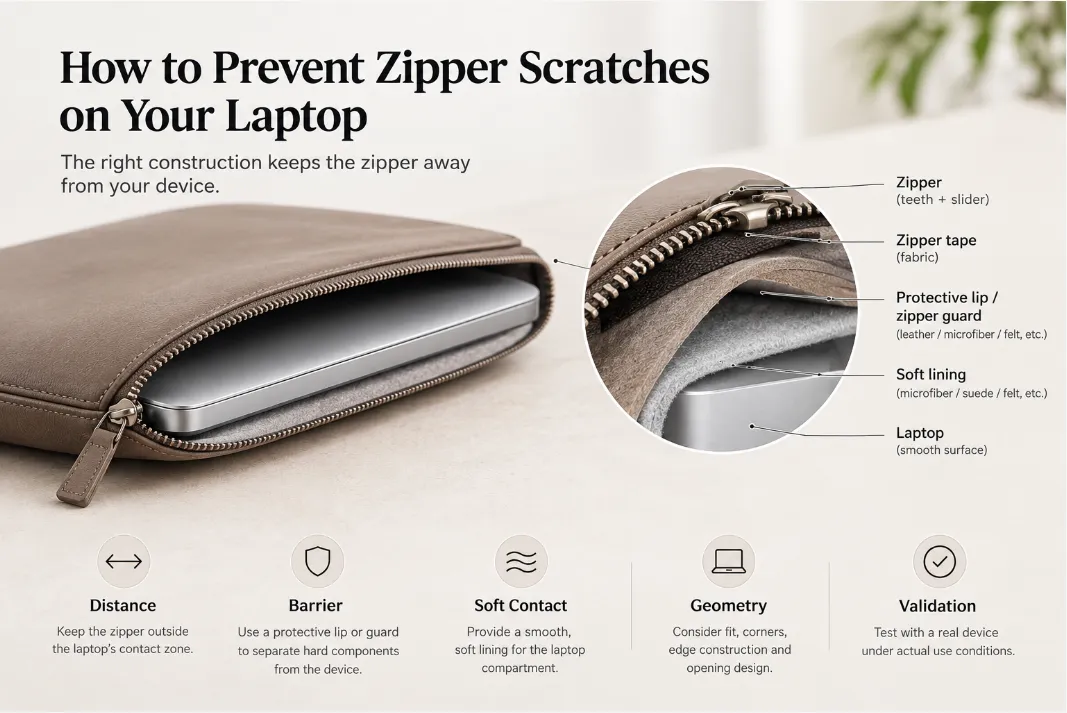
Yes—mainly as a lining for a premium feel and scratch protection. Outer layers usually use more durable leather.
Looking to develop suede or suede-lined products?
We support OEM/ODM with full grain, top grain, and suede combinations. Contact us for material options.