
Types of Leather for Wallets: What Is the Most Durable Option?
When choosing a wallet, leather remains the top choice for those who value quality, durability, and timeless design. At Pellove, we craft our wallets using only high-quality materials, with a special focus on full-grain leather—the most durable and premium option. But not all leather is the same. Understanding the different types of leather for wallets can help you make a better investment.
Full-Grain Leather: The Strongest and Most Durable
Full-grain leather comes from the outermost layer of the hide, making it the toughest and most resistant to wear. It is neither sanded nor buffed, which preserves its natural texture and strength. Over time, full-grain leather wallets develop a beautiful patina, reflecting your lifestyle while maintaining durability for many years.
At Pellove, full-grain leather is our material of choice because it combines long-lasting strength with luxury aesthetics.
Top-Grain Leather: Smooth and Refined
Second only to full-grain, top-grain leather is durable yet more pliable. Its surface is sanded and buffed to remove imperfections, resulting in a smooth and uniform finish. While easier to work with and stylish in appearance, top-grain leather does not age as gracefully as full-grain and may lose some of its natural character.
Genuine Leather: Basic but Less Durable
Genuine leather is often misunderstood as high quality. In reality, it is made from the leftover layers of the hide after full- and top-grain sections are removed. Genuine leather is processed with coatings to improve its look, but it lacks the same durability. Over time, coatings may crack, and wallets made from genuine leather typically don’t last as long.
Suede Leather: Soft and Velvety Texture
Made from the underside of the hide, suede wallets offer a soft, velvety texture that appeals to those who value unique style. However, suede is not as durable as full-grain or top-grain leather and requires more delicate care.
Nubuck: Luxury with a Soft Touch
Nubuck leather is essentially top-grain leather that has been lightly sanded for a velvety finish. While more durable than suede, nubuck scratches easily and does not develop a patina over time. It is often used by premium brands for its refined appearance, but it still falls short of full-grain leather’s durability.
Choosing the Best Leather Wallet for You
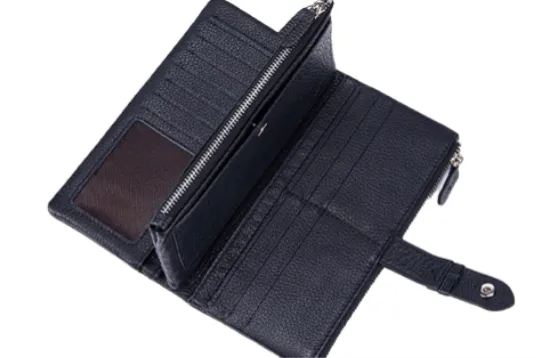
Now that you know the different types of leather for wallets, it’s clear that full-grain leather stands out as the most durable and long-lasting choice. At Pellove, we design wallets that balance functionality, durability, and timeless elegance. From classic bifold wallets to slim leather cardholders and RFID-protected designs, our collection offers the perfect blend of style and security.
Every Pellove wallet is handcrafted with care, ensuring that your accessory not only looks sophisticated but also serves you for years to come.
✨ Pellove Promise: Invest in full-grain leather wallets today and enjoy a piece that matures beautifully, carrying both your essentials and your story.
FAQ
Q1: What is the most durable type of leather for wallets?
Full-grain leather is the most durable option. It retains the strongest fibers of the hide, making it resistant to wear, tearing, and aging. It also develops a natural patina over time, improving its appearance with use.
Q2: Why is full-grain leather considered premium?
Because it is not sanded or corrected, full-grain leather preserves the natural grain and structure of the hide. This makes it both the strongest and most authentic form of leather used in wallet production.
Q3: How does top-grain leather compare to full-grain leather?
Top-grain leather is slightly thinner and has been sanded for a smoother finish. It looks more uniform but is less durable and does not develop as rich a patina as full-grain leather.
Q4: Is genuine leather good for wallets?
Genuine leather is lower on the quality spectrum. It is made from the remaining layers of the hide after higher-grade sections are removed. While affordable, it is less durable and may crack or wear out faster.
Q5: Is suede leather suitable for everyday wallets?
Suede is soft and stylish, but not ideal for heavy daily use. It is more prone to staining, moisture damage, and wear compared to full-grain or top-grain leather.