
Different types of leather perform very differently when used in watch straps, which is why choosing the best leather for watch straps requires understanding material structure, tanning methods, and long-term durability.
When choosing materials for watch straps, one of the most important questions brands and buyers ask is:
What is the best leather for watch straps?
The answer depends on several factors, including:
durability
flexibility
aging behavior
brand positioning
price range
Different types of leather perform very differently when used in watch straps. Some develop a beautiful patina over time, while others focus on consistency, softness, or affordability.
If you’re developing a watch strap collection or sourcing leather straps from manufacturers, understanding leather grades, tanning methods, and structure is essential for making the right decision.
If you’re new to leather classification, you may first want to read our guide:
The Complete Leather Types Guide: Different Types of Leather Explained
This will help you understand how leather is categorized before choosing the best option for watch straps.
1. Why Leather Choice Matters for Watch Straps
Watch straps experience constant daily wear.
Unlike phone cases, watch straps must handle:
continuous bending
sweat exposure
skin contact
long-term flexing
This means leather used for straps must have:
strong fiber structure
flexibility
comfort on skin
resistance to cracking
Lower-grade leather may initially look similar but often deteriorates faster due to weaker fiber density or heavy surface coating.

leather watch strap
2. Full-Grain Leather for Watch Straps
Full-grain leather is widely considered the highest quality leather used in premium watch straps. Many high-end watch brands and independent strap makers prefer full-grain leather because it preserves the natural grain layer of the hide and offers superior durability.
For example, luxury brands such as Hodinkee and Nomos Glashütte have released watch straps made from high-quality natural leather designed to age beautifully over time.
It retains the natural grain layer of the hide, which gives it excellent strength and aging characteristics.
Advantages:
strongest fiber structure
develops natural patina
long lifespan
premium natural appearance
Full-grain leather is commonly used in:
luxury watch brands
handcrafted straps
heritage-style products
Many vegetable-tanned Italian leathers used for watch straps fall into this category.
However, full-grain leather also has higher cost due to:
higher raw hide quality
lower material yield
more careful selection
If you’re comparing leather grades, you may want to read:
Full Grain vs Top Grain Leather – What’s the Real Difference?
3. Top-Grain Leather for Watch Straps
Top-grain leather is another very common material used in watch straps.
It is slightly corrected on the surface to remove imperfections while keeping much of the original grain structure.
Advantages:
smoother appearance
consistent color
easier large-scale production
good balance between quality and cost
Top-grain leather works well for:
mid-range watch brands
fashion watch lines
larger production volumes
While it does not develop as rich a patina as full-grain leather, it still offers strong durability when properly tanned.
4. Vegetable-Tanned Leather vs Chrome-Tanned Leather
Tanning method significantly affects the character of watch strap leather.
Vegetable-Tanned Leather
Vegetable tanning uses natural tannins from plant sources.
Characteristics:
firmer structure
develops patina
natural color aging
heritage craftsmanship feel
This type of leather is often used for premium handmade watch straps.
Italian tanneries are particularly famous for vegetable-tanned leather and traditional craftsmanship. Organizations such as the Consorzio Vera Pelle Italiana Conciata al Vegetale promote traditional vegetable tanning methods used by many Tuscan tanneries.
Chrome-Tanned Leather
Chrome tanning is the most widely used modern tanning process.
Advantages:
softer and more flexible
consistent color
faster production
lower cost
Chrome-tanned leather is widely used in:
fashion watches
sport watches
large-scale production
For straps that require more flexibility and comfort, chrome tanning can actually perform better.
5. Leather Thickness for Watch Straps
Thickness plays a major role in:
comfort
durability
strap structure
Typical watch strap construction includes:
top leather layer
lining leather
reinforcement layer
Recommended thickness:
Top leather layer:
1.0mm – 1.4mm
Finished strap thickness:
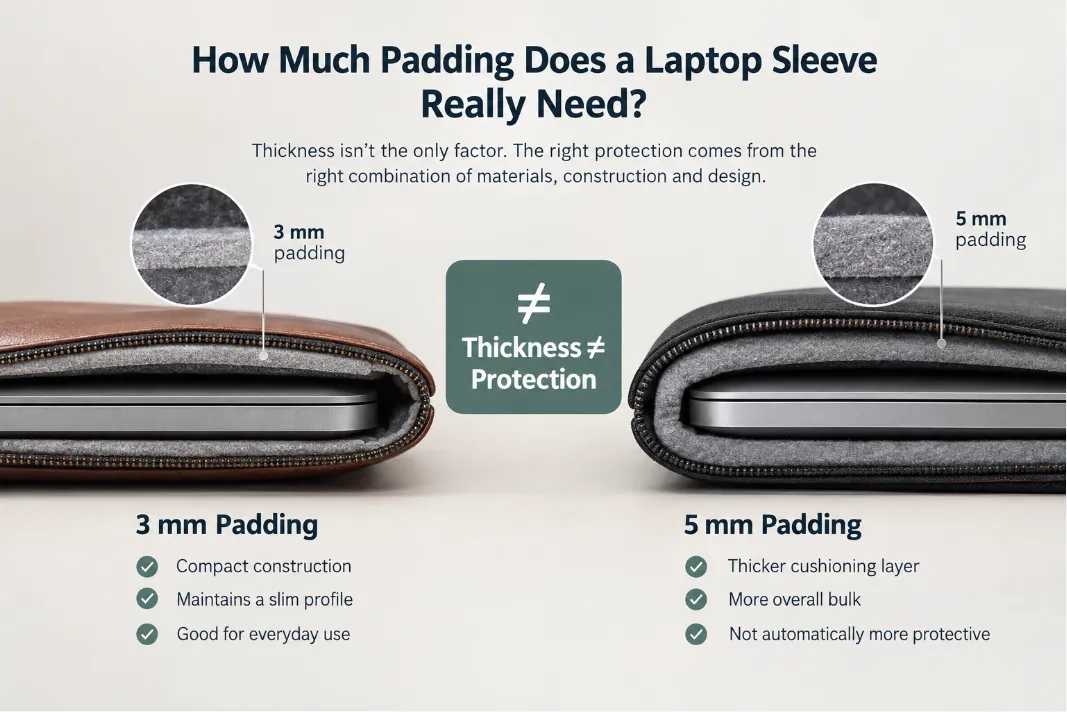
3mm – 5mm depending on style.
Dress watches typically use thinner straps, while sports watches may use thicker constructions.
6. Popular Leathers Used in Watch Straps
Besides standard cowhide, several specialty leathers are commonly used.
Calfskin
Calfskin is one of the most popular watch strap materials due to its fine grain and smooth surface. Many luxury watch brands, including Omega and Longines, frequently pair calfskin straps with their dress watch collections because the leather offers both comfort and refined aesthetics.
Advantages:
fine grain
smooth surface
soft touch
elegant appearance
It is widely used in luxury dress watches.
Crazy Horse Leather
Crazy horse leather is a type of full-grain leather with a wax finish.
Characteristics:
vintage appearance
pull-up effect
strong patina development
Popular for casual and heritage-style watch straps.
Exotic Leathers
Some premium watch straps use exotic materials such as alligator, crocodile, or ostrich leather. These materials are commonly seen in high-end watch brands like Patek Philippe and Audemars Piguet, where exotic leather straps complement luxury mechanical watches. These materials are typically used for luxury watches due to their distinctive texture and higher cost.
7. How Leather Quality Affects Watch Strap Lifespan
Leather quality directly affects how long a watch strap lasts.
Typical lifespan comparison:
| Leather Type | Estimated Lifespan |
|---|---|
| Full Grain | 5–10 years |
| Top Grain | 4–8 years |
| Corrected Grain | 3–5 years |
| PU Leather | 1–3 years |
Lower-grade leather often uses heavy coatings to hide defects, which may eventually crack or peel with repeated bending.
If you’re unsure how leather grades compare, we explain this in detail here: Is Genuine Leather Good Quality?
8. Watch Straps by Brand Positioning
Entry-Level Brands
Recommended materials:
corrected grain leather
chrome-tanned leather
Focus:
affordability
consistent appearance
Mid-Range Brands
Recommended materials:
top-grain leather
calfskin
Focus:
comfort
durability
refined look
Premium / Luxury Brands
Recommended materials:
full-grain leather
vegetable-tanned leather
Italian leather
Focus:
craftsmanship
patina development
brand heritage
9. Key Takeaways
Choosing the watch straps depends on several factors:
brand positioning
target retail price
durability expectations
desired aging behavior
Full-grain leather offers the most natural aging and long-term durability.
Top-grain leather provides a balanced option between performance and cost.
Vegetable-tanned leather supports premium storytelling and heritage aesthetics.
The best material is not simply the most expensive one — it is the one that aligns with your product design, target customer, and brand positioning.
Final Thoughts
For watch brands and designers, selecting the right leather is essential to creating straps that combine comfort, durability, and timeless style. Watch strap craftsmanship is also an important part of traditional watchmaking culture. Publications such as Hodinkee frequently discuss materials, strap construction, and watch design, helping enthusiasts better understand how leather straps influence the overall wearing experience.
At Pellove, founded in 2011, we specialize in crafting premium leather accessories and watch straps that combine refined materials with reliable construction. Our products are trusted by international customers for their balance of functionality, durability, and craftsmanship.
Understanding leather structure, tanning methods, and material grades allows brands to make better sourcing decisions — and create watch straps that truly stand the test of time.
For brands turning watch strap material choices into a custom production project, review OEM and ODM production planning, MOQ planning, and the quality control checklist before approving samples or bulk inspection standards.
FAQ
1. What is the best leather for watch straps?
Full-grain leather is widely considered the best leather for watch straps due to its natural grain structure, durability, and ability to develop a rich patina over time. It is commonly used in luxury and handcrafted watch straps.
For more flexible or cost-efficient options, top-grain and vegetable-tanned leather are also widely used depending on brand positioning.2. Is full-grain leather good for watch straps?
Yes. Full-grain leather is one of the most durable materials for watch straps. It resists wear, ages beautifully, and becomes more comfortable over time. However, it is typically more expensive and requires high-quality sourcing.
3. What leather is most comfortable for daily wear?
Calfskin leather is often considered the most comfortable for everyday use because of its soft texture and fine grain. Chrome-tanned leather is also popular for its flexibility and smooth feel on the wrist.
4. What is the difference between vegetable-tanned and chrome-tanned leather for watch straps?
Vegetable-tanned leather is firmer, more natural, and develops a strong patina over time, making it ideal for premium and heritage-style straps.
Chrome-tanned leather is softer, more flexible, and more resistant to water and sweat, making it suitable for daily and sporty use.
5. How long do leather watch straps last?
The lifespan depends on leather quality and usage conditions:
- Full-grain leather: 5–10 years
- Top-grain leather: 4–8 years
- Corrected grain leather: 3–5 years
- PU leather: 1–3 years
Proper care and rotation can significantly extend durability.