
Quick Answer
A leather iPad case sample is a pre-production prototype used to validate the fit, materials, structure, logo, functionality, and packaging before mass production.
For OEM/ODM buyers, sampling is not just a design confirmation step — it is a risk control system that determines production success, cost stability, and product quality consistency.
A complete sampling process typically includes:
- Material & color confirmation
- Structure prototype development
- Logo and branding validation
- Functional testing (magnet, Pencil, stand, etc.)
- Packaging verification
- Pre-production sample (PP sample) approval
The final PP sample becomes the official production standard for mass manufacturing and QC inspection.
1. What Is a Leather iPad Case Sample?
A leather iPad case sample is a prototype unit used to validate engineering and commercial feasibility before bulk production.
Unlike mass production units, samples are used to test:
- Structural feasibility
- Material compatibility
- Functional stability
- Manufacturing repeatability
- Branding execution
For OEM/ODM projects, sampling is the most critical stage between product concept and mass production execution.
2. Why Sampling Is Critical in OEM/ODM iPad Case Development
Without structured sampling, buyers typically face:
- Wrong iPad fit
- Material mismatch
- Logo positioning errors
- Magnetic function failure
- Packaging deformation issues
- High return rates after launch
Sampling eliminates production risk in 5 key areas:
iPad model compatibility
Material and leather performance
Structural durability and folding behavior
Functional reliability (MagSafe, Pencil, sleep/wake)
Packaging protection and retail readiness
In professional manufacturing, no PP sample = no safe mass production approval
3. Types of Leather iPad Case Samples (Full Development System)
A professional OEM/ODM sampling system is not a single sample — it is a progressive validation chain.
| Sample Type | Purpose | Stage |
|---|---|---|
| Reference sample | Style benchmark | Pre-development |
| Material swatch | Leather/PU confirmation | Early stage |
| Structure prototype | Fit & construction test | Development |
| Logo sample | Branding validation | Mid stage |
| Functional sample | Magnet, Pencil, stand test | Validation stage |
| Packaging sample | Retail & shipping test | Pre-final stage |
| PP sample | Final production standard | Mass production approval |
Each stage reduces uncertainty before moving to the next.
4. OEM/ODM Sample Development Workflow (Standard Process)
Step 1 — Requirement Confirmation (RFQ Stage)
Buyers should provide:
- Exact iPad model
- Case structure type (folio/magnetic/detachable)
- Material preference
- Color requirements
- Logo file & method
- Packaging requirements
- Target MOQ & price range
- Launch schedule
Clear RFQ = 50% faster sampling cycle
Step 2 — Structure Engineering Review
Manufacturer evaluates:
- Existing mold usability
- Need for new tooling
- Magnetic structure feasibility
- Pencil compatibility design
- Folding mechanism stability
Output: confirmed development path (standard vs ODM)
Step 3 — Material & Color Selection
Materials include:
- PU leather
- Microfiber leather
- Top-grain leather
- Vegan leather
- Recycled materials
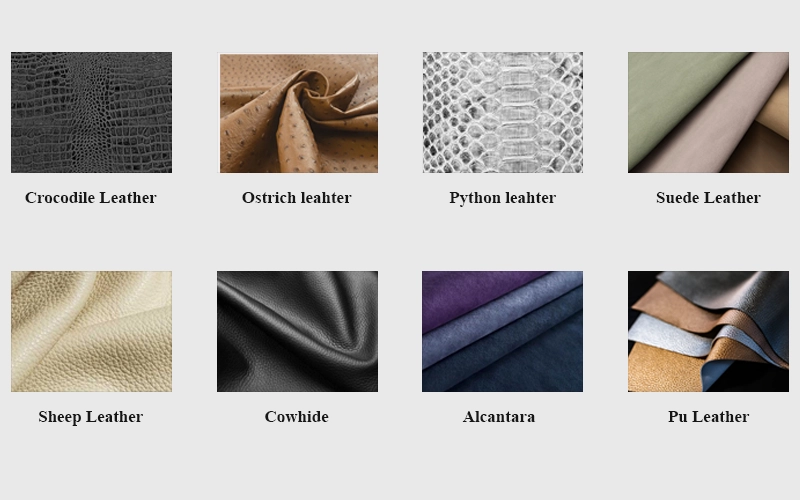
Material selection
Key evaluation factors:
- Texture & hand feel
- Thickness consistency
- Color batch stability
- Edge wrapping compatibility
For a full understand for how to choose the right material, you can refer to our leather iPad case material guide.
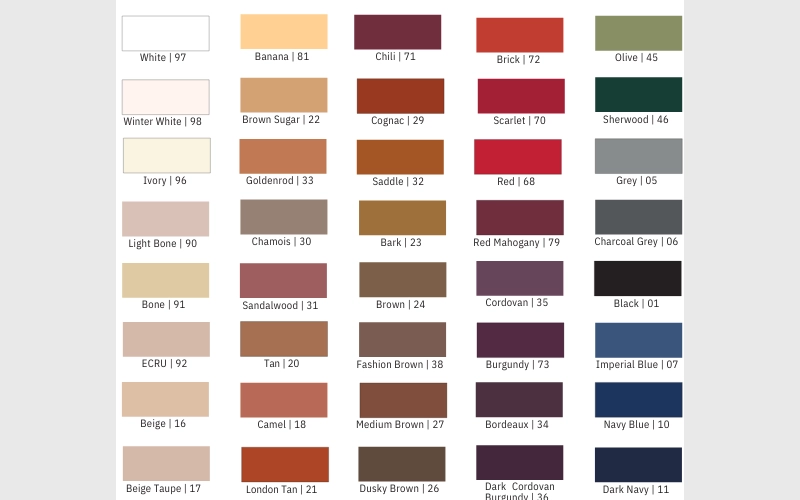
Color selection
Step 4 — Prototype Development
Prototype validates:
- iPad fit accuracy
- Basic structure integrity
- Folding behavior
- Visual appearance
Expect revision at this stage (normal process)
Step 5 — Functional Validation & Revision
Key functional tests:
- Magnetic closure strength
- Stand angle stability
- Apple Pencil attachment/charging
- Sleep/wake function
- Port & button accessibility
Multiple revisions may be required for ODM products
Step 6 — Packaging Sample Validation
Packaging is often underestimated but critical for B2B success.
Checks include:
- Box dimension fit
- Product compression risk
- Insert tray stability
- Barcode/label correctness
- Retail presentation quality
Poor packaging = high damage + high return rate

Package options
Step 7 — Pre-Production Sample (PP Sample)
The PP sample is the final and most important approval standard.
It defines:
- Final material
- Final color
- Final structure
- Final logo
- Final packaging
- Final QC benchmark
Once approved, all mass production must strictly follow it.
5. What Buyers Must Prepare Before Sampling (RFQ Checklist)
To ensure accurate sampling, prepare:
- iPad model & generation
- Reference images or sample products
- Structure requirements
- Material selection
- Color specification
- Logo file (AI/PDF preferred)
- Logo method (emboss/print/metal plate)
- Packaging requirement
- Functional requirements
- Target MOQ
- Target price range
- Market positioning
- Launch timeline
Incomplete RFQ = longer sampling cycles + higher revision cost
6. Why Samples Cost More Than Mass Production Units
Sample pricing reflects engineering cost, not production cost.
Sample costs include:
- Manual material preparation
- Prototype cutting & assembly
- Logo tooling setup
- Engineering adjustment
- Small batch loss
- Express logistics
Mass production spreads cost; sampling concentrates cost
7. Sample Lead Time
Typical timelines:
- Standard private label sample: 7–10 working days
- ODM development: 10–25 days
- Complex magnetic/modular systems: 15–25 weeks
Factors affecting lead time:
- Material customization
- New mold requirement
- Logo complexity
- Packaging development
- Revision cycles
8. How to Evaluate a Leather iPad Case Sample
8.1 Fit & Compatibility
- Device insertion accuracy
- Camera & speaker alignment
- Button responsiveness
- Port accessibility
8.2 Material & Appearance
- Leather texture consistency
- Color accuracy under lighting
- Stitching/edge finishing
- Surface defects or glue marks
8.3 Structure & Folding
- Stand stability
- Folding smoothness
- Hinge durability
- Long-term deformation risk
8.4 Branding & Logo
- Position accuracy
- Logo clarity on textured surface
- Durability under usage
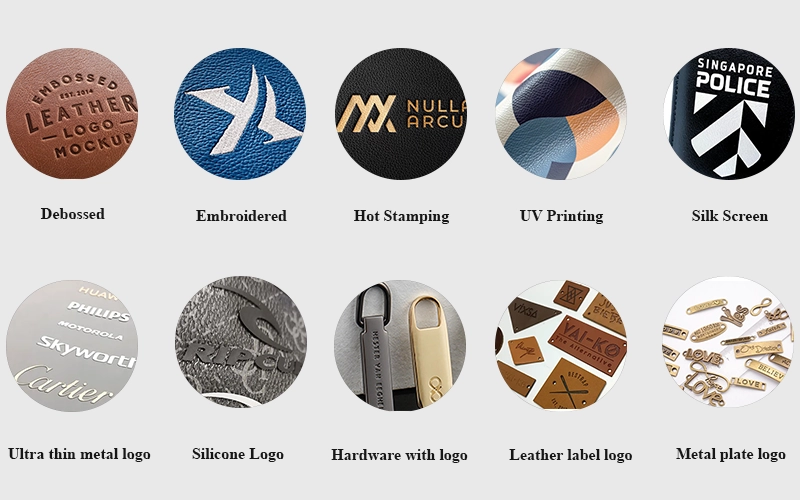
Logo option
8.5 Functionality
- Magnetic closure strength
- Pencil charging compatibility
- Sleep/wake accuracy
- Detachable alignment
8.6 Packaging Fit
- Product protection during drop/shipping
- Box compression resistance
- Retail readiness
9. Sample vs Mass Production Differences
| Risk Source | Cause | Control Method |
|---|---|---|
| Handmade sample variation | Manual production | PP sample validation |
| Material batch difference | Leather variation | Approved production batch |
| Tooling adjustment | Mold refinement | Final mold lock |
| Packaging change | Supplier inconsistency | Packaging sample approval |
Key rule: PP sample = production control baseline
10. Common Sample Approval Mistakes
Approving only by photos
Not testing a real iPad device
Ignoring functional performance
Changing requirements after approval
Skipping packaging validation
No written approval record
Skipping the PP sample stage
These mistakes directly lead to mass production failures.
11. How Sampling Connects to Mass Production QC
The PP sample becomes the QC reference standard for:
- Color consistency
- Dimensional accuracy
- Logo placement
- Material feel
- Functional performance
- Packaging quality
No PP sample = no stable QC system
Approved PP samples are commonly used as production benchmarks within ISO-based quality management systems.
12. How Pellove Supports OEM/ODM Sampling
For leather iPad case development, Pellove provides end-to-end sampling support:
- Product structure recommendation
- Material swatch selection
- Prototype development
- Logo engineering support
- Functional validation testing
- Packaging design coordination
- PP sample approval system
- Mass production handover
From concept → PP sample → production-ready system
If you are comparing suppliers, our Leather iPad Case Manufacturer Guide outlines the engineering capabilities to verify before production.
13. RFQ → Sampling → Production Decision Path
A complete sourcing workflow:
- Confirm product concept
- Select a material system
- Define structure & function
- Develop sample
- Validate performance
- Approve packaging
- Confirm the PP sample
- Start mass production
- QC inspection before shipment
Sampling is the bridge between an idea and a manufacturable product
FAQ
What is a leather iPad case sample?
A prototype is used to validate the structure, materials, functionality, logo, and packaging before mass production.
How long does sampling take?
Typically, 7–10 working days for standard OEM projects.
Why are samples expensive?
Because they include engineering, manual production, and setup costs not present in mass production.
What is a PP sample?
The final approved pre-production sample was used as the official manufacturing and QC standard.
Can I approve based on photos only?
Not recommended — physical testing is required for fit, function, and material validation.
Conclusion
Leather iPad case sampling is not a simple approval step — it is a structured engineering validation system that determines production success.
A professional sampling process ensures:
- Accurate iPad fit
- Stable material quality
- Reliable functional performance
- Consistent branding output
- Controlled mass production quality
The PP sample is the final gate before production — and the most important quality control milestone in the entire OEM/ODM process.